Jean and Nancy spent March 2013 in Spain. We spent a day in Seville, five days hiking in the Andalusia outback, and a few days in Madrid. Read all about it!
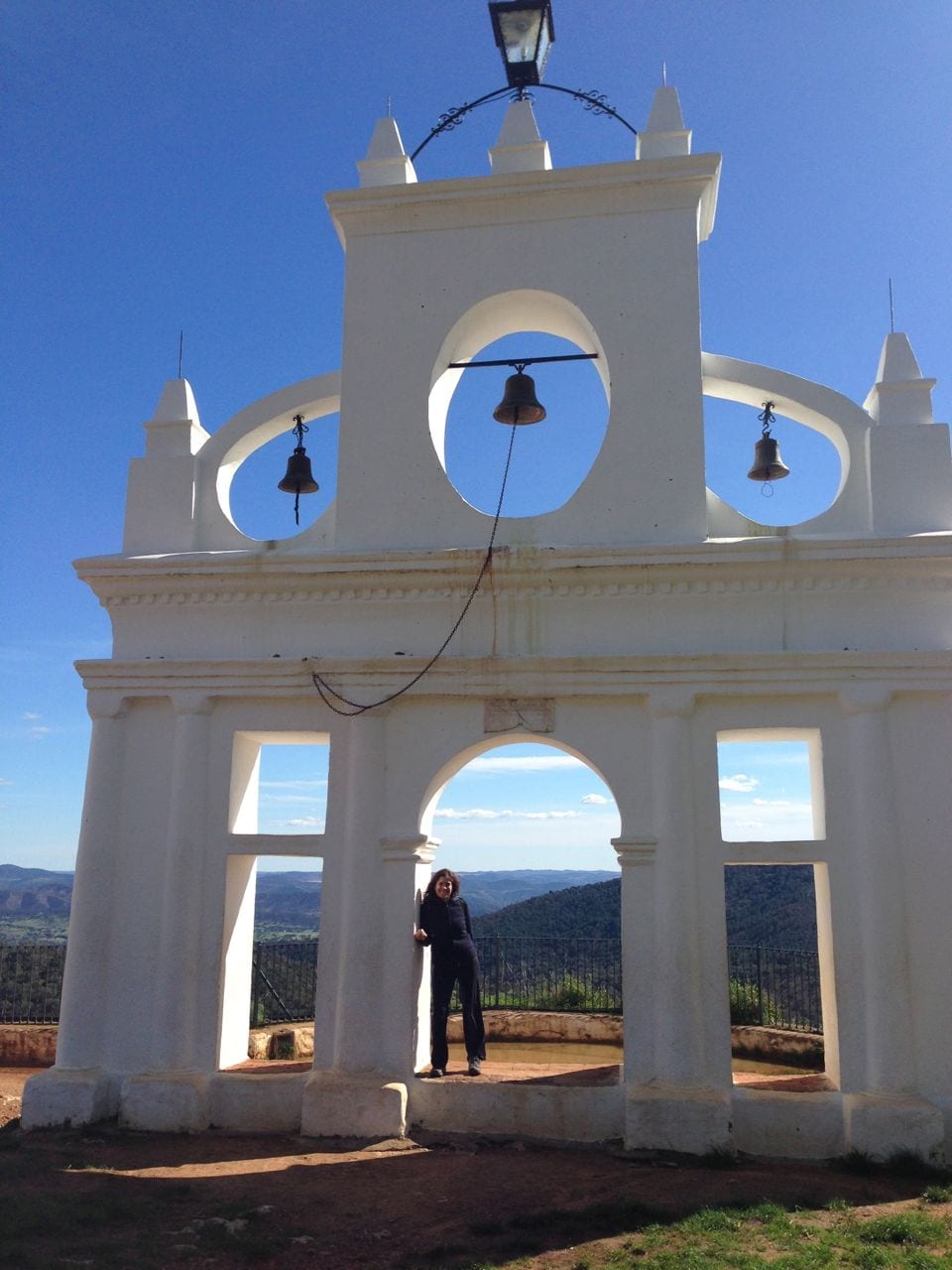
Back to Alajar – 9 mile hike from Almonaster
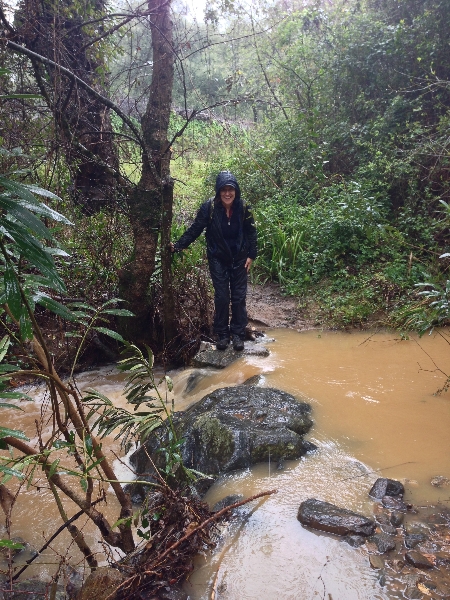
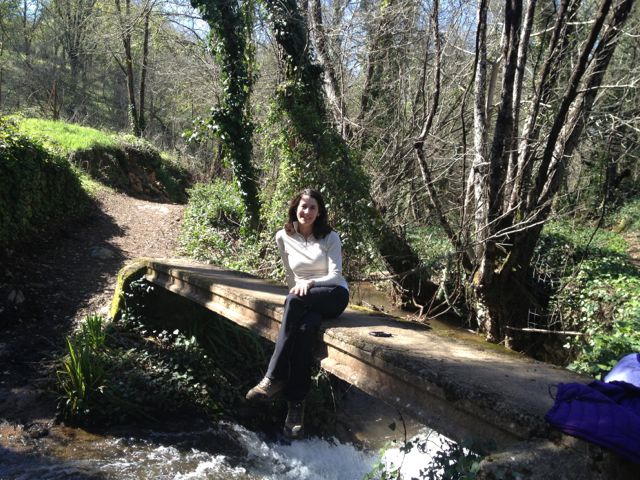
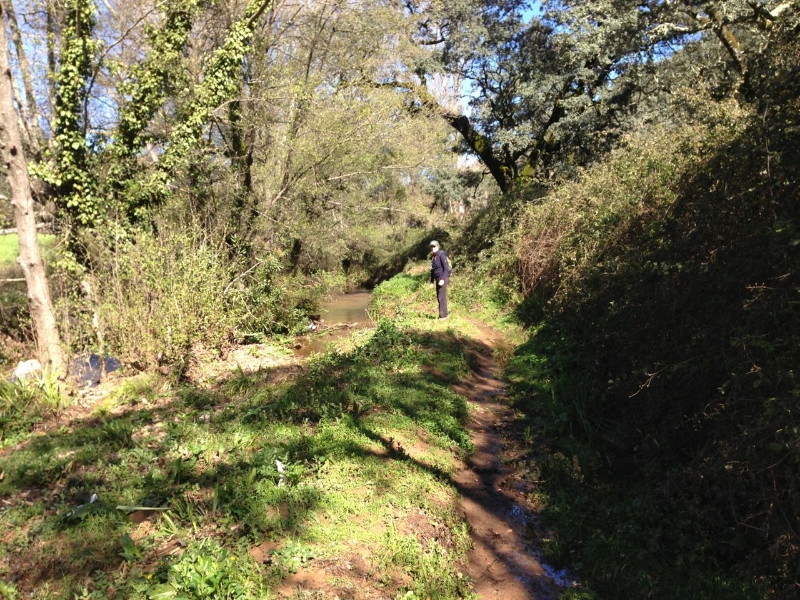
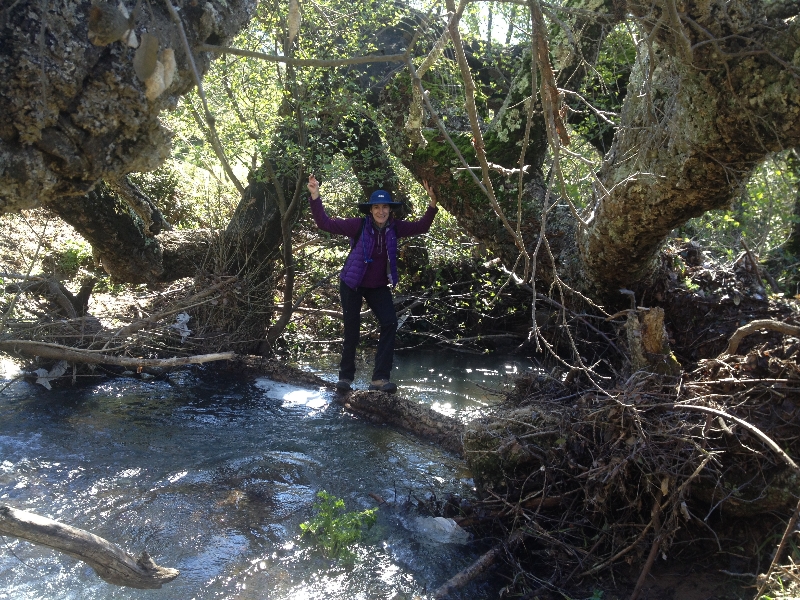
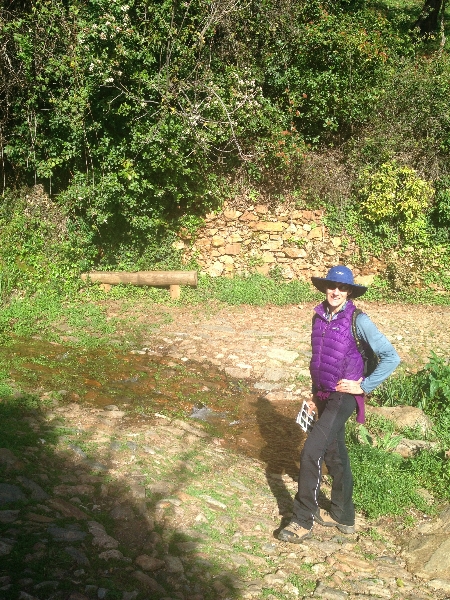
Jean crossing a supposedly dry river bed.
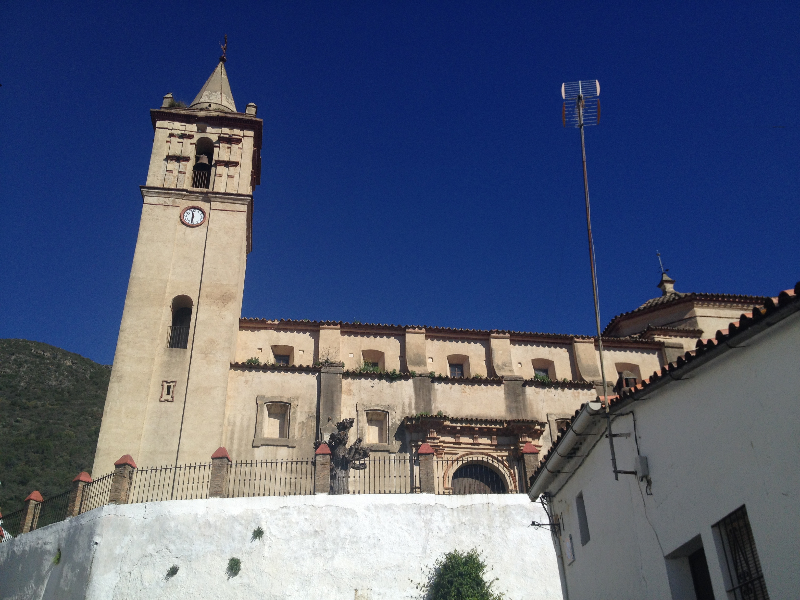
At 9 a.m. on a Sunday morning in a small southern town in Andalusia, it is not easy to find a cup of coffee. After wandering a few cobble-stoned streets, however, Nancy and I stumbled into a small “social club”where we were thrilled to find a barista who was willing to prepare toast and coffee. We then set off on our journey back to Alajar. As we were leaving town, we heard thunder and the clouds opened and our first rainy hike of the vacation began. We were well prepared with rain pants, hats, and coats and worked our way through wet stony paths and up the side of a mountain to a small town, built on a ridge: Santa Anna. We sat in the courtyard of a grand, Moorish mosque-turned-church and had a picnic lunch. As we were eating we noticed many villagers walking purposefully down a street to a parked car where, we later found, a man was distributing Jamon Iberico (the famous local ham) from a suitcase.
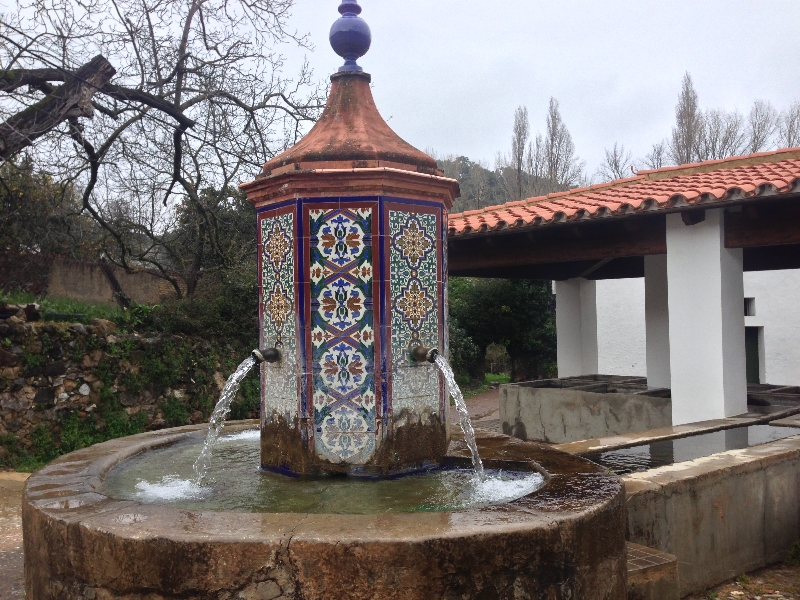
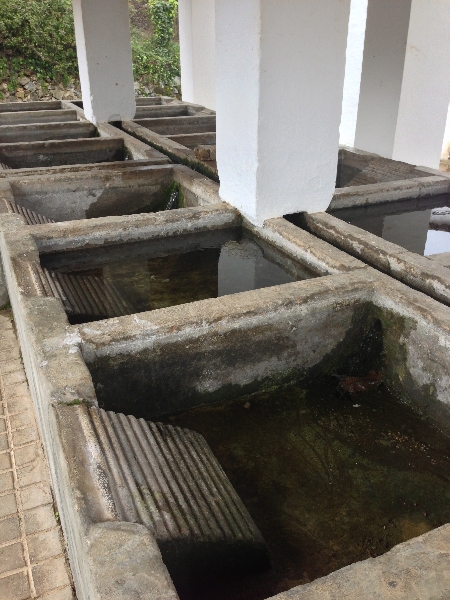
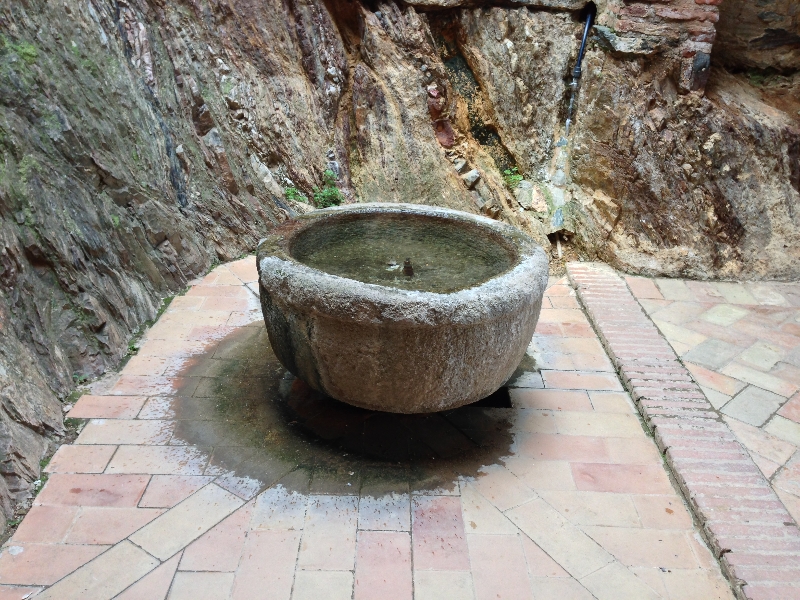
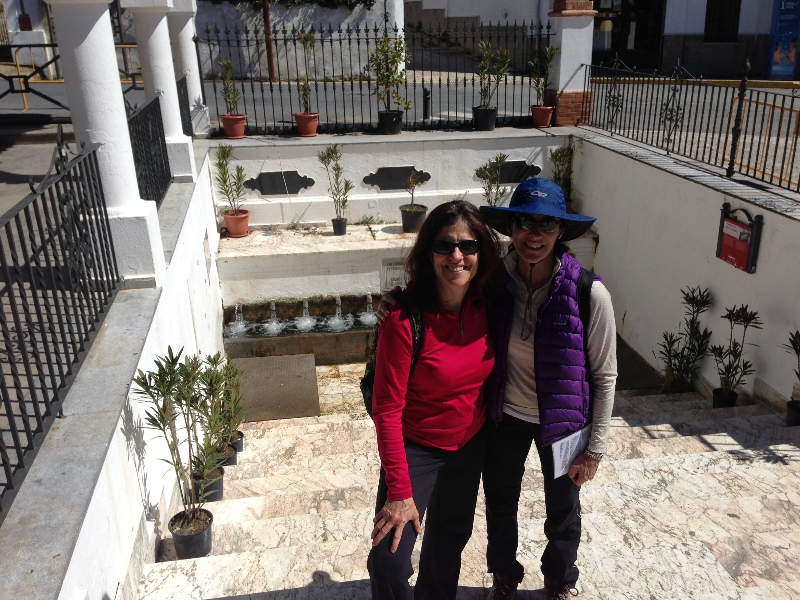
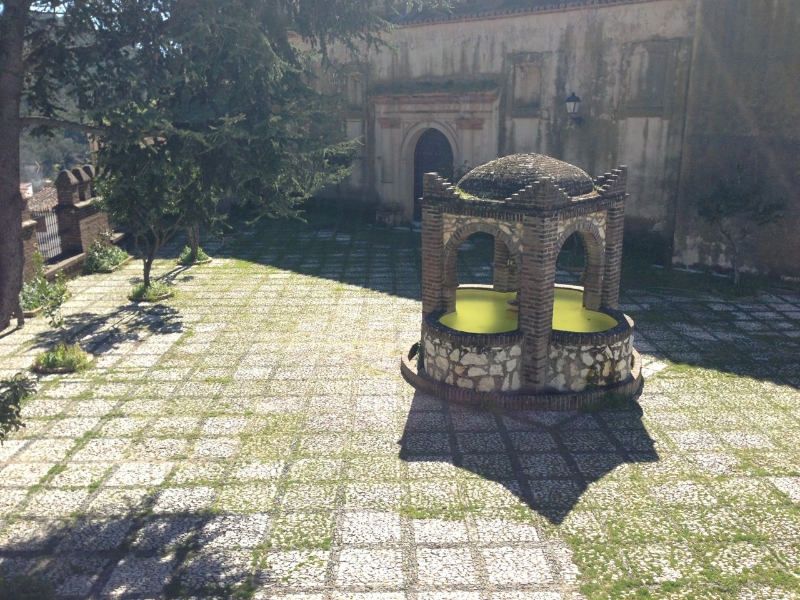
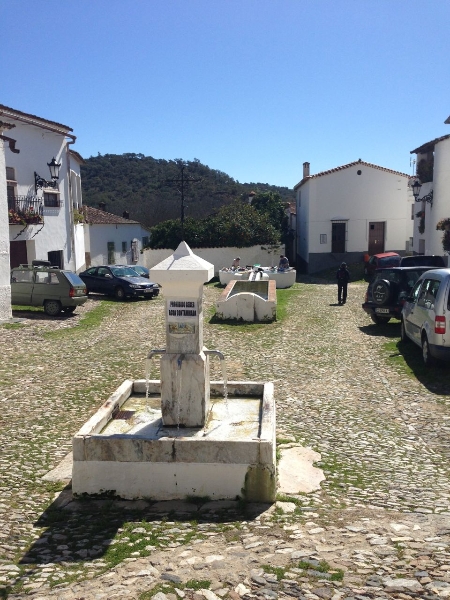
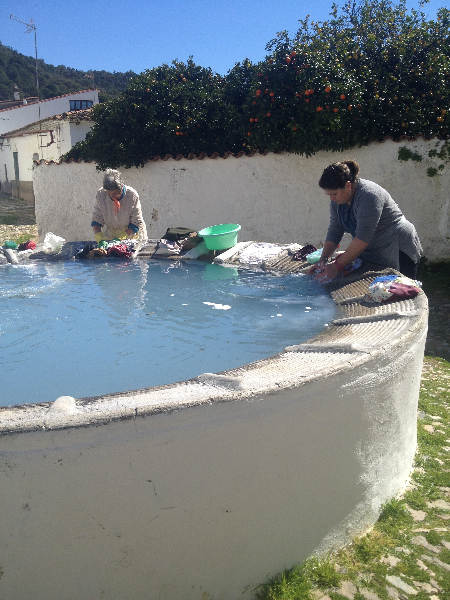
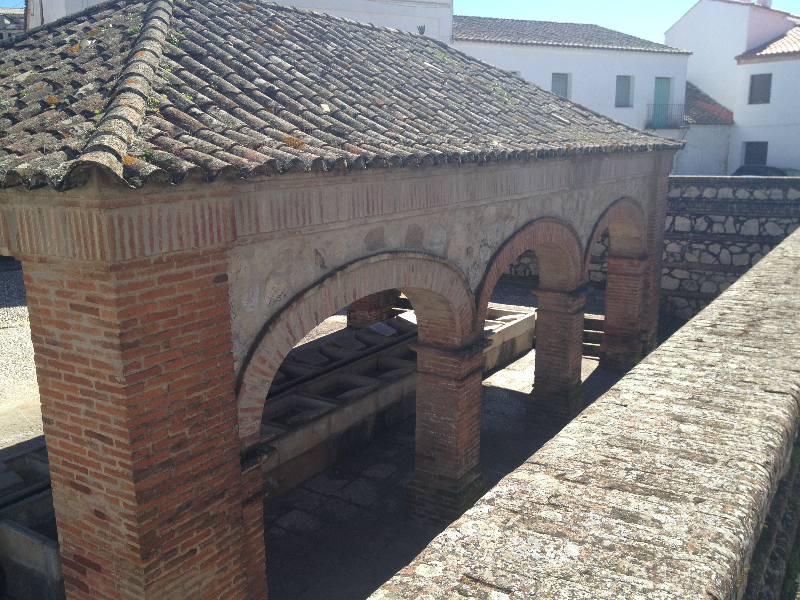
Communal water source and washing station dating to the Roman era.
We left town and, after passing a communal water pump and washing station that dated back to the Roman era, we gradually worked our way to our Inn in Alajar. We have been sipping sherry and enjoying the warmth of our first heated hotel in 5 days. Tonight we will have dinner here in Alajar.
Almonaster, Spain – 11 mile hike from Galaroza to Almonaster
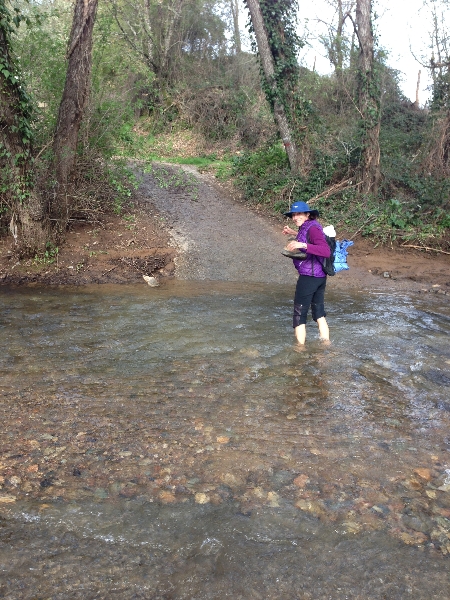
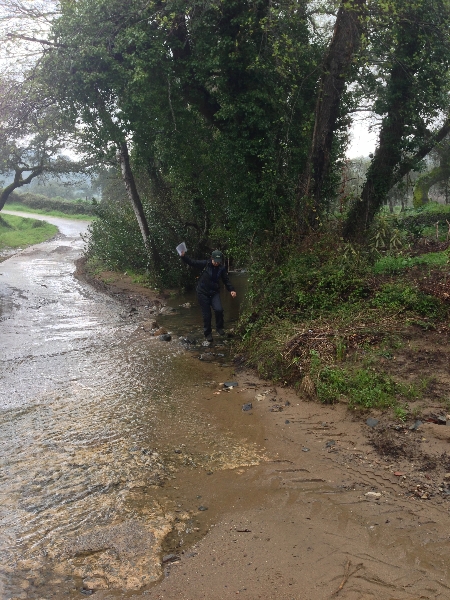
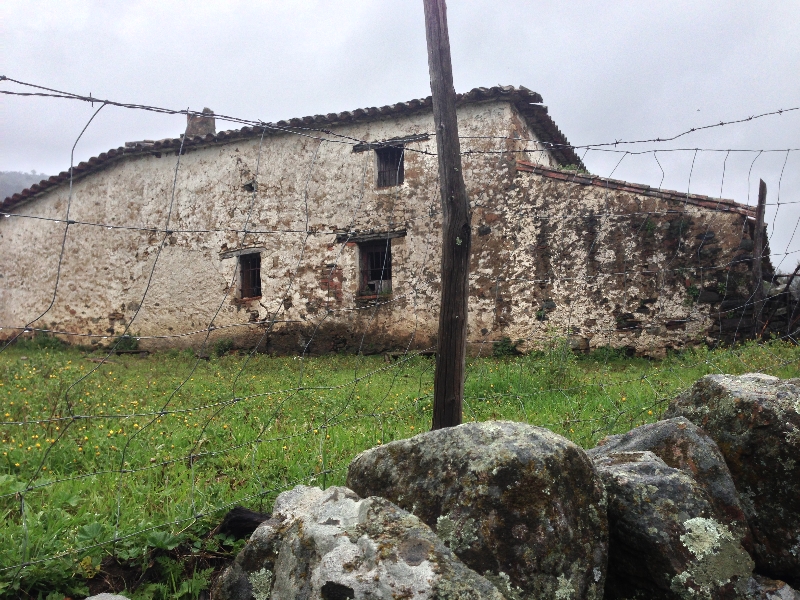
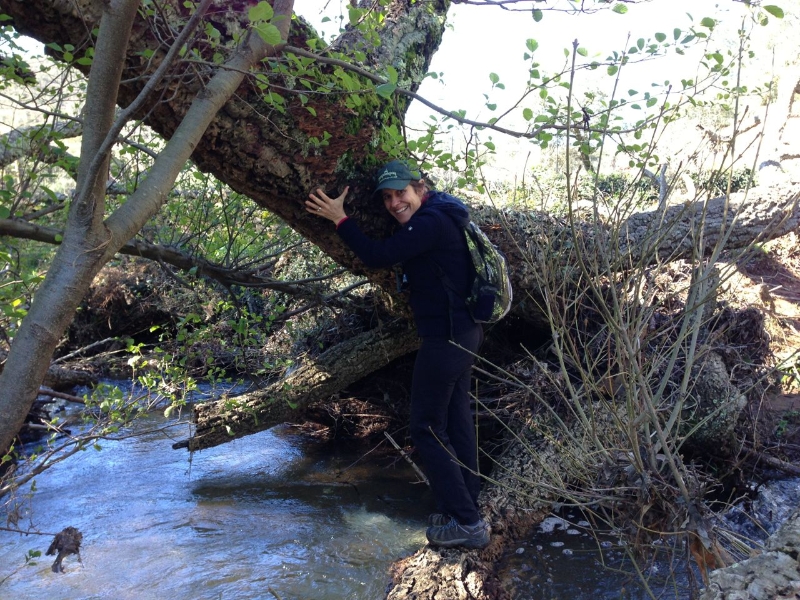
Nancy crossing a river we were supposed to be able to traverse using stepping stones!
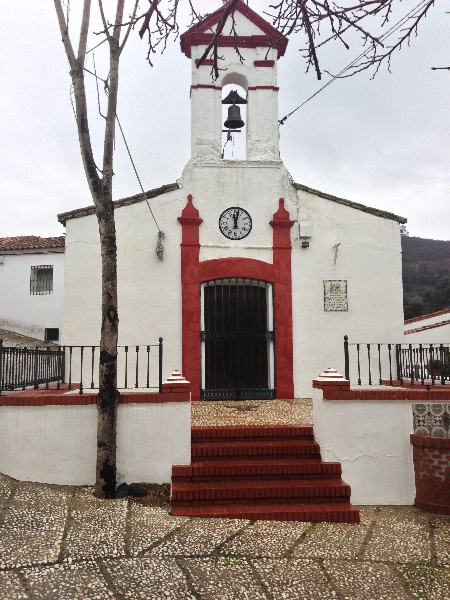
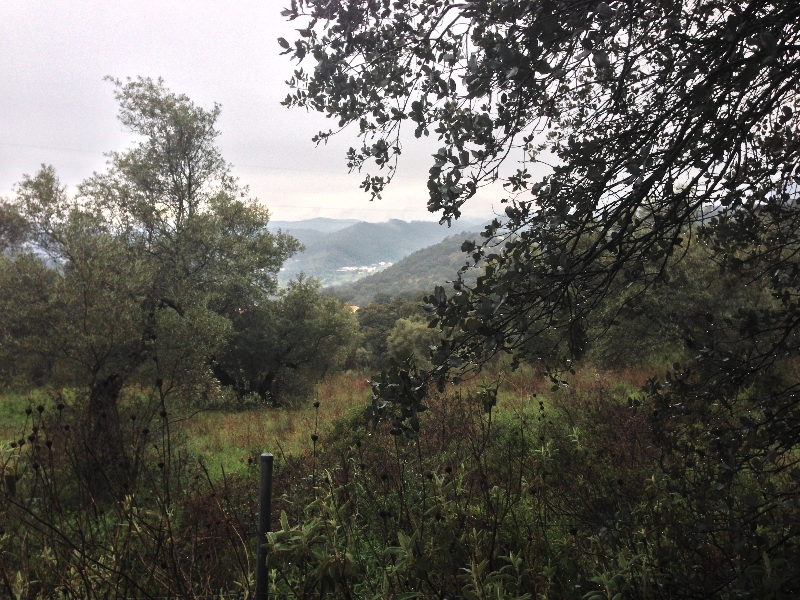
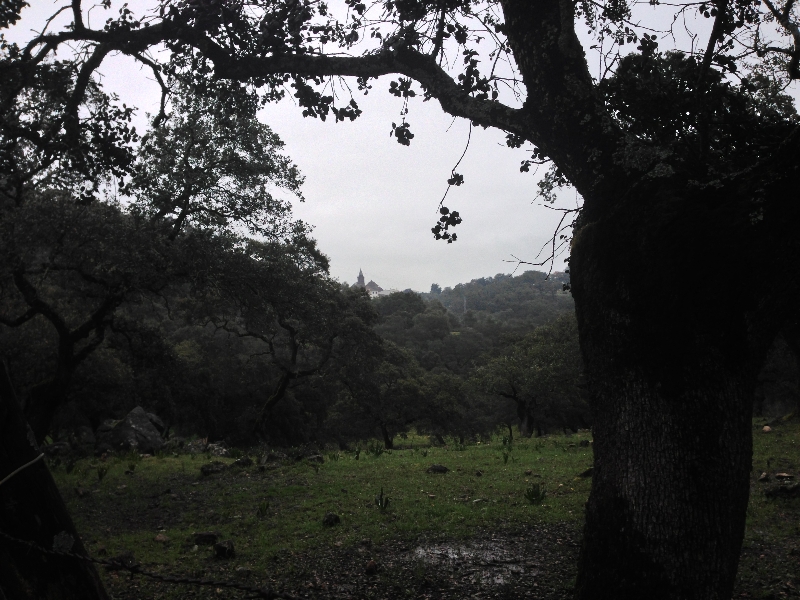
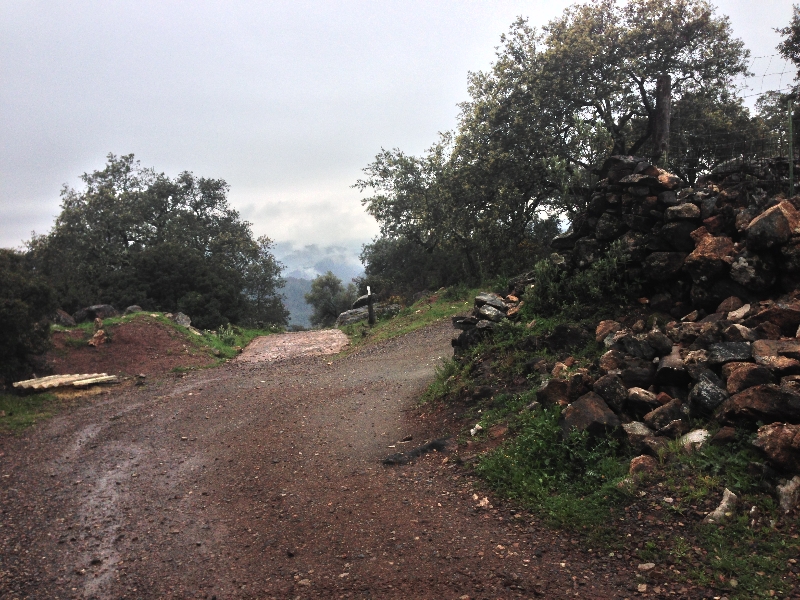
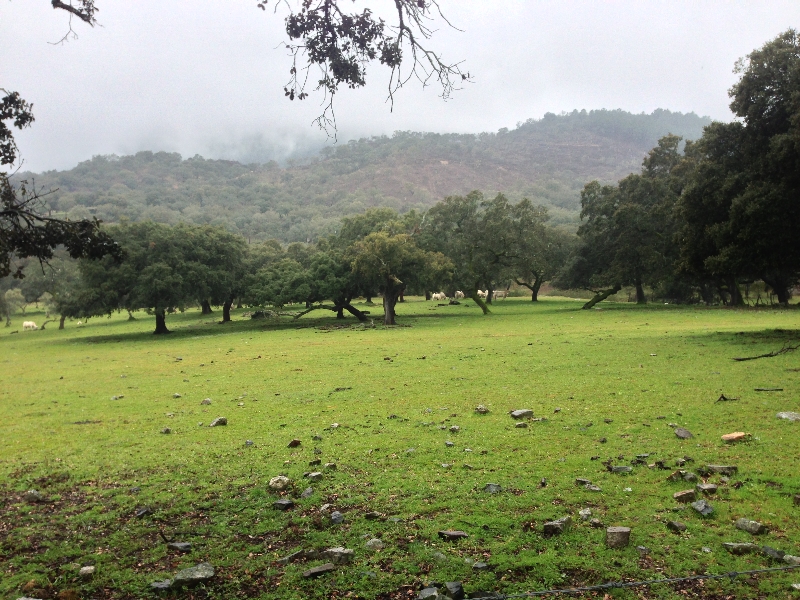
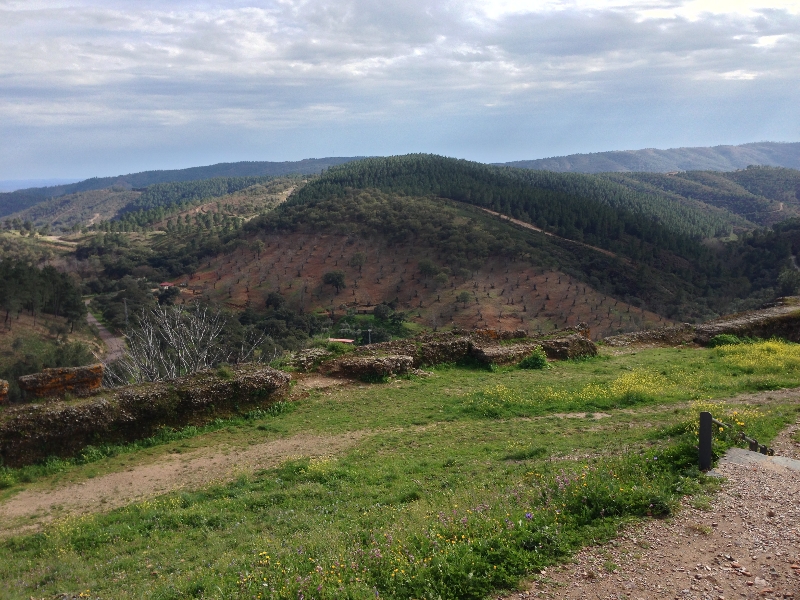
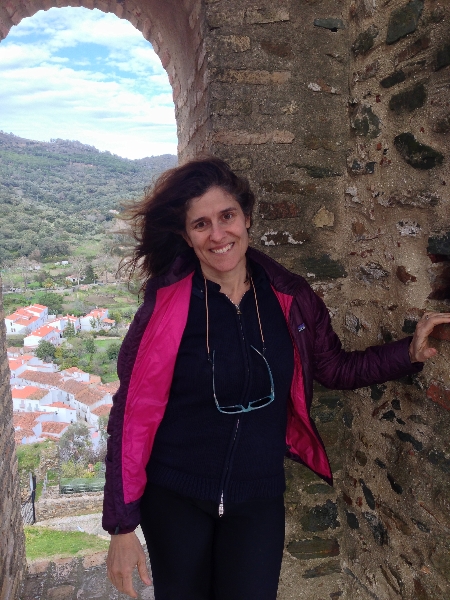
Today was our most challenging trek – no little hamlets or villages along the way. As has been typical of each day, we did not pass another person the entire walk. We climbed up to the top of Cerro de San Cristóbal. When we looked off to the east from where we had come that morning, we could see the red tile roofs of many little villages, including El Ripiloa, Barranco de Los Romeros, Jabugo, Los Romeros, Castafui del Robedo, Cerro del Cestafio, and Aguafria. When we looked off to the west, we could see the village we were headed towards for the night: Almonaster.
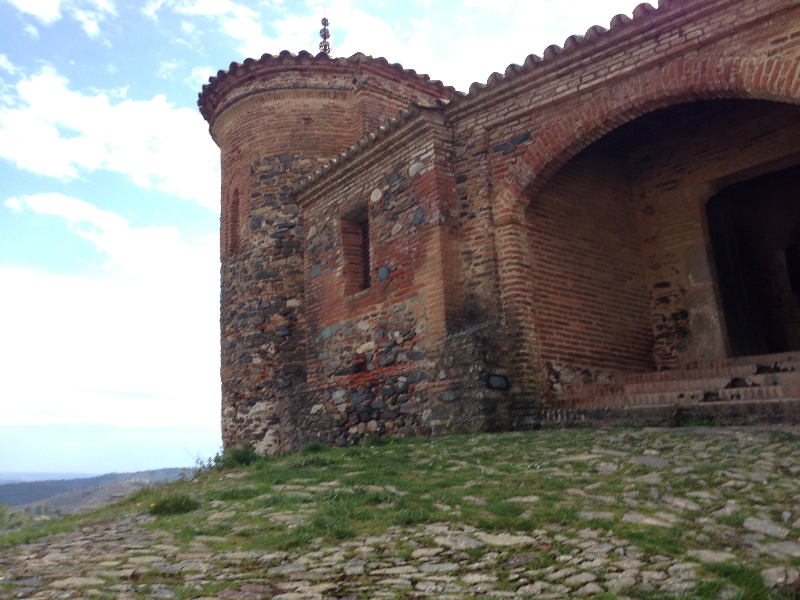
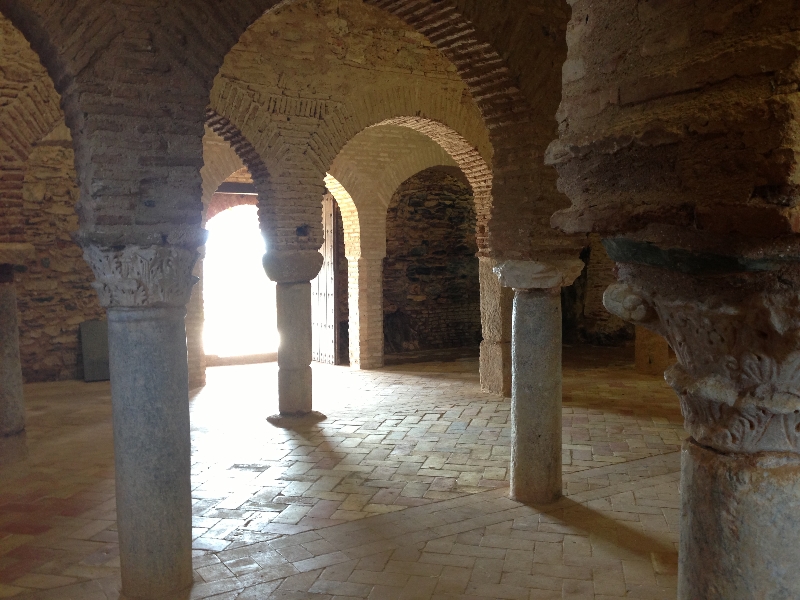
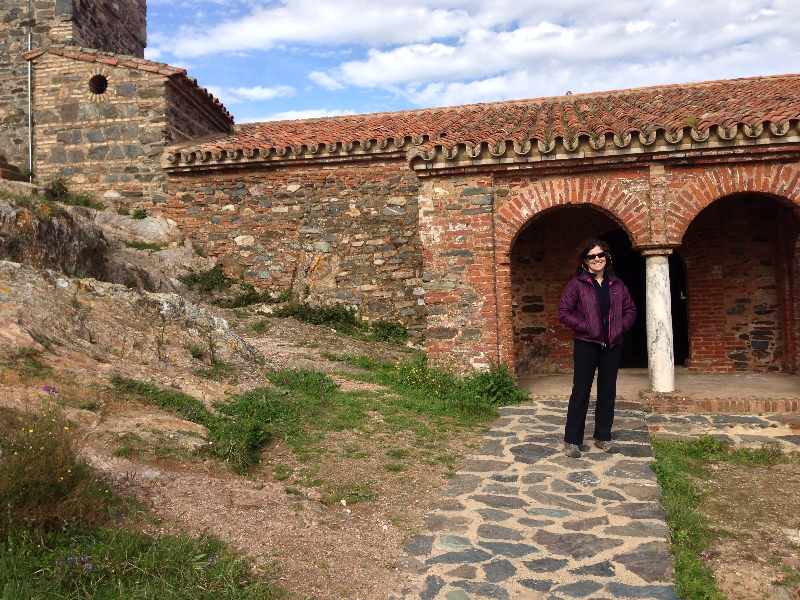
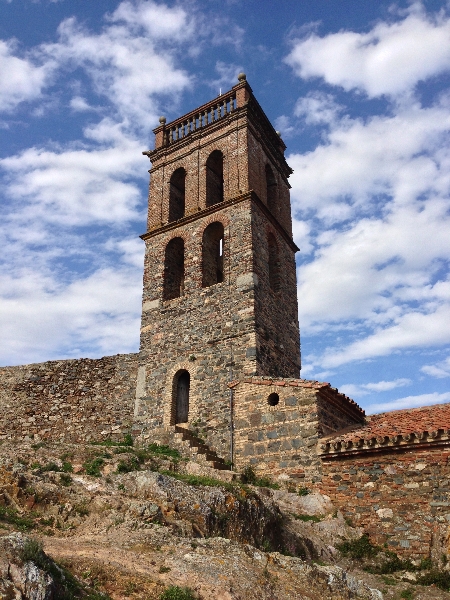
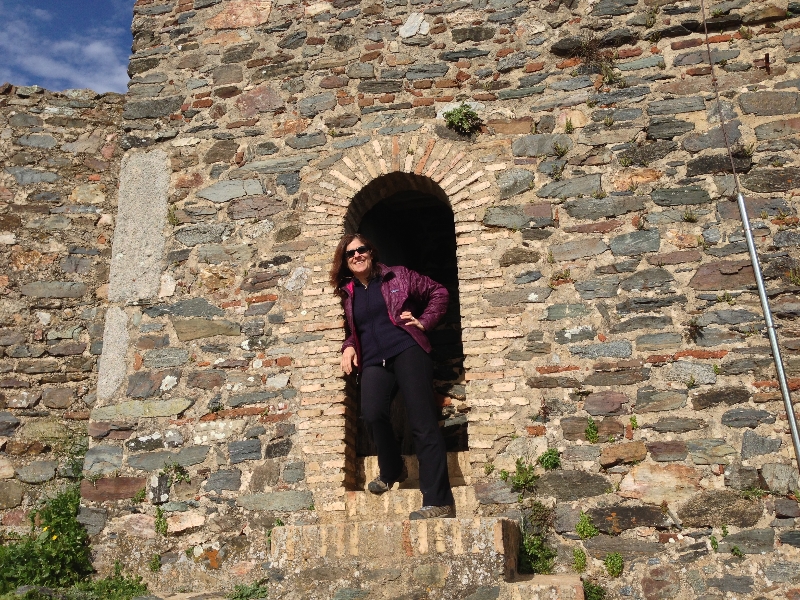
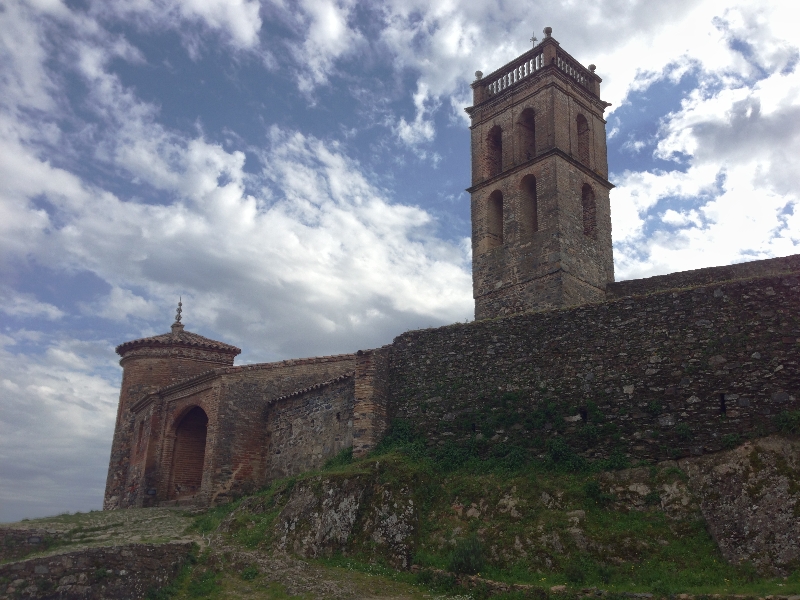
The most impressive feature of Amonaster is the mosque, or Mezquita, which was built in the tenth century. It is an oddly-shaped building, made of brick and stone in a trapezoid shape because of the hilly terrain.
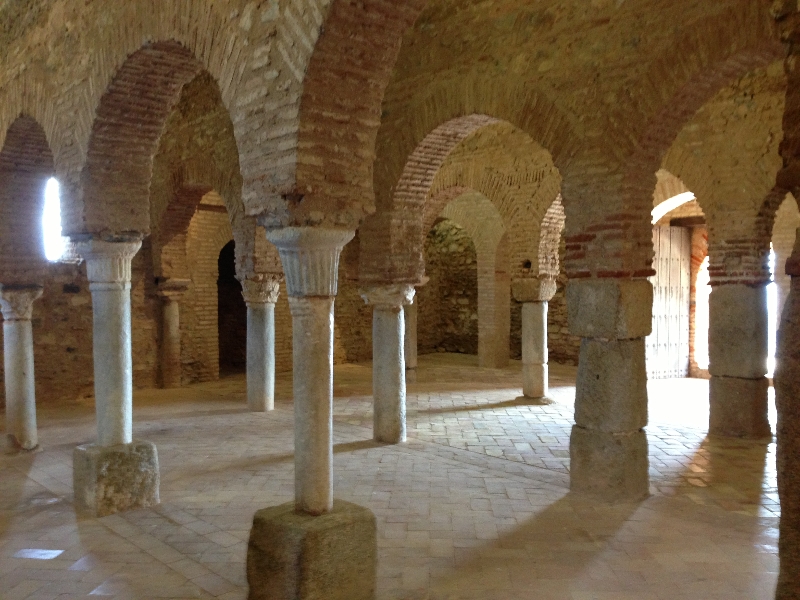
Tenth century mosque
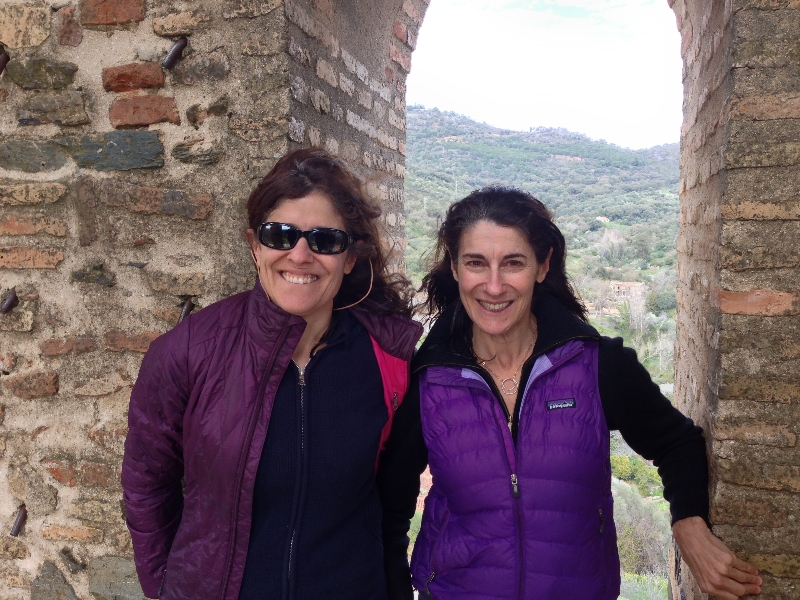
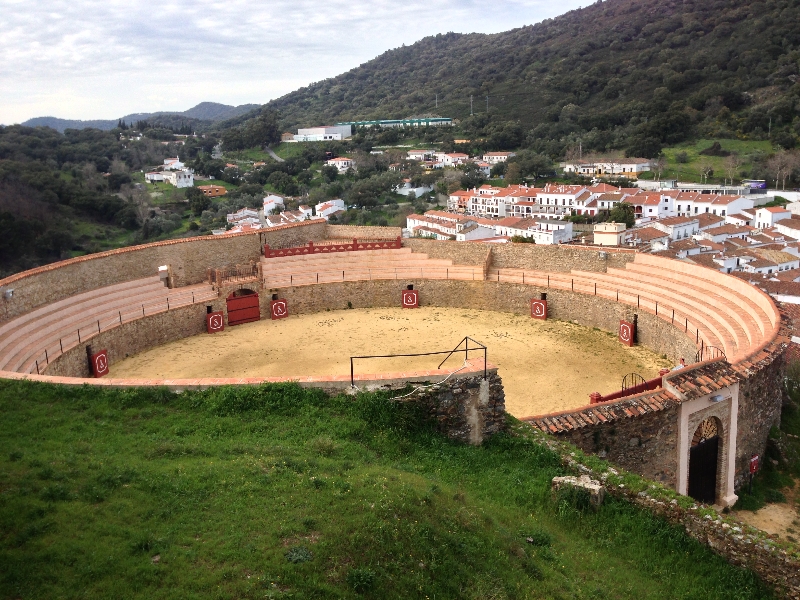
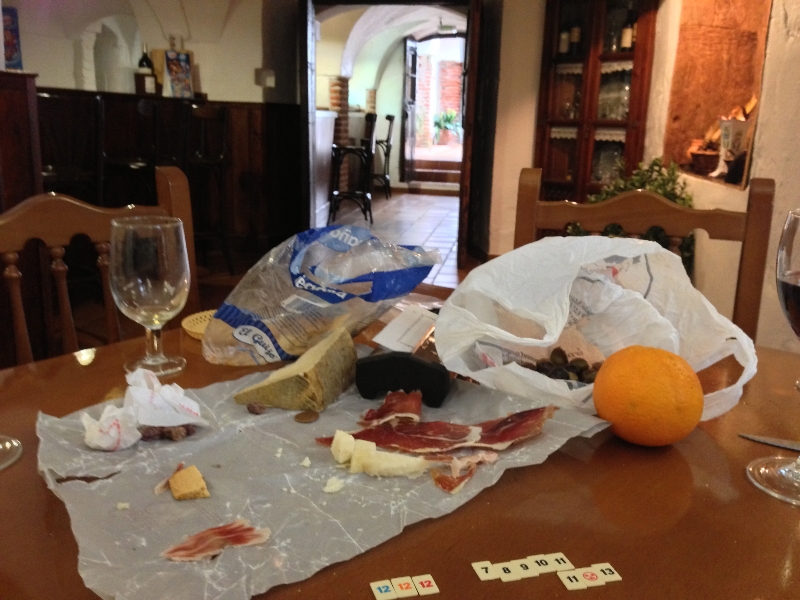
Jean and I explored the mosque, next to which was a bullfighting ring, and then found a bar and played some Rummikub. While we were sitting there we called Mom who told us that Poppy had been accepted into the University of Miami, which was his first choice. Everyone is totally thrilled! We will always remember where we were when that exciting news arrived.
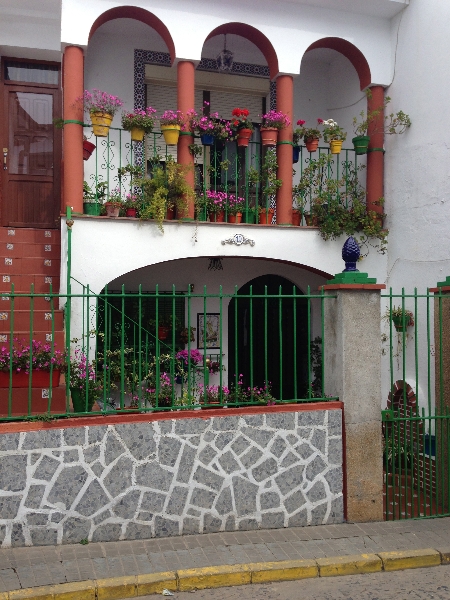
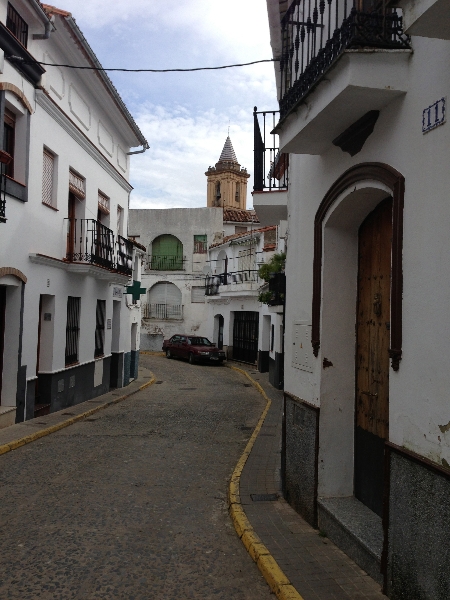
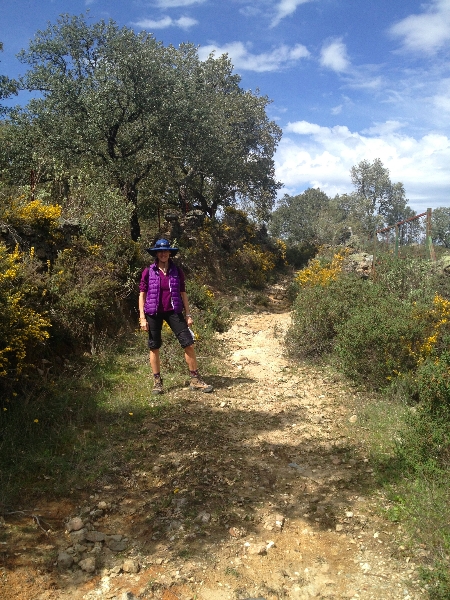
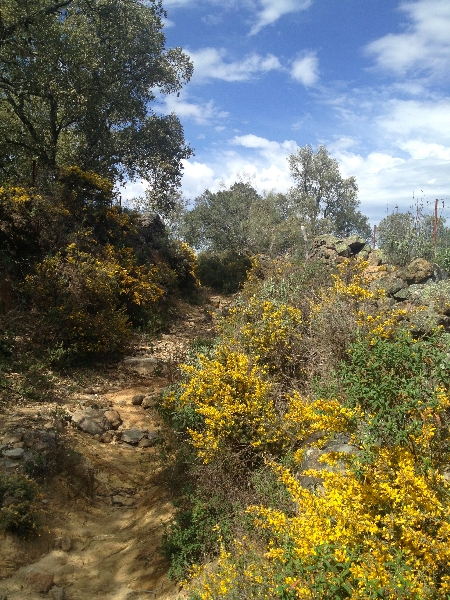
Galaroza, Spain – 10 mile hike from Aracena to Galaroza
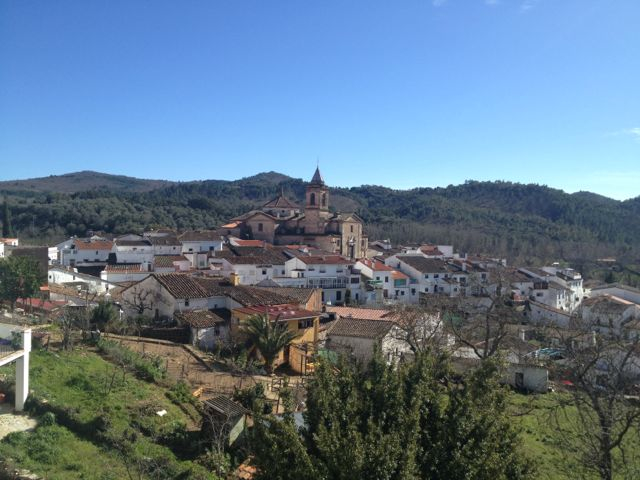
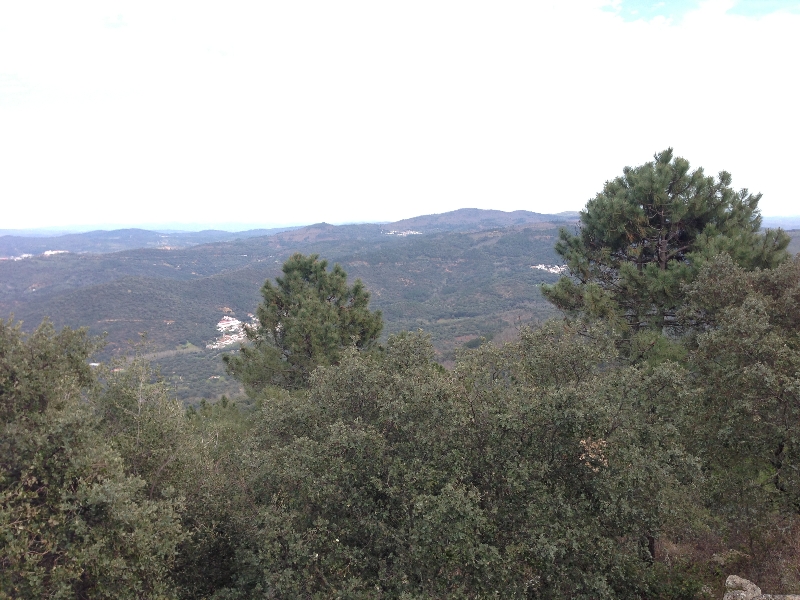
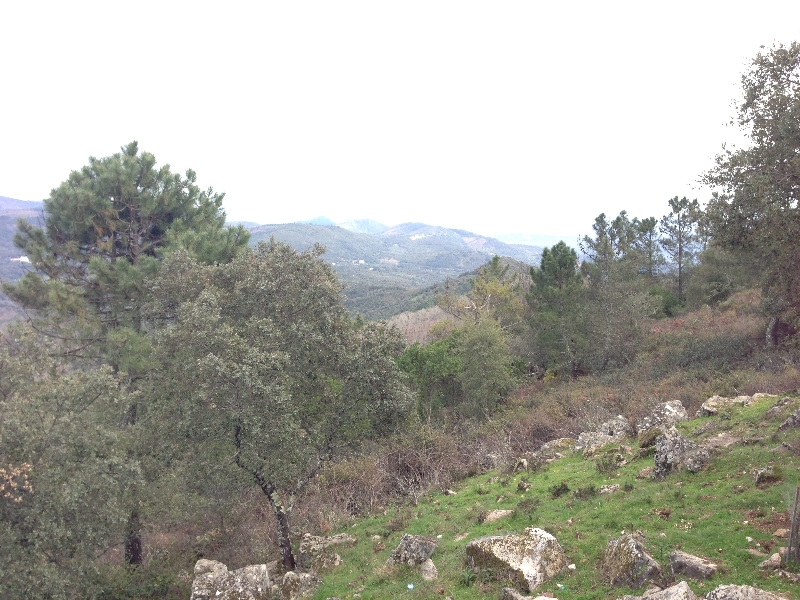
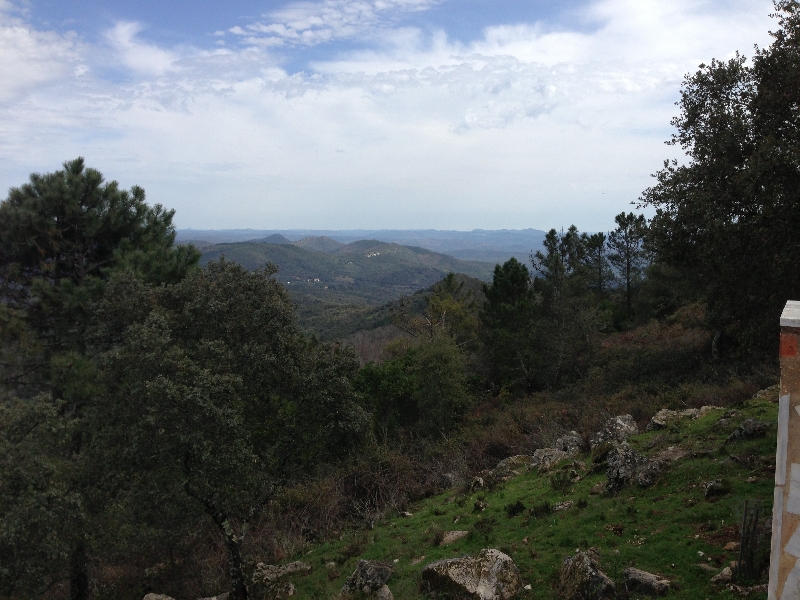
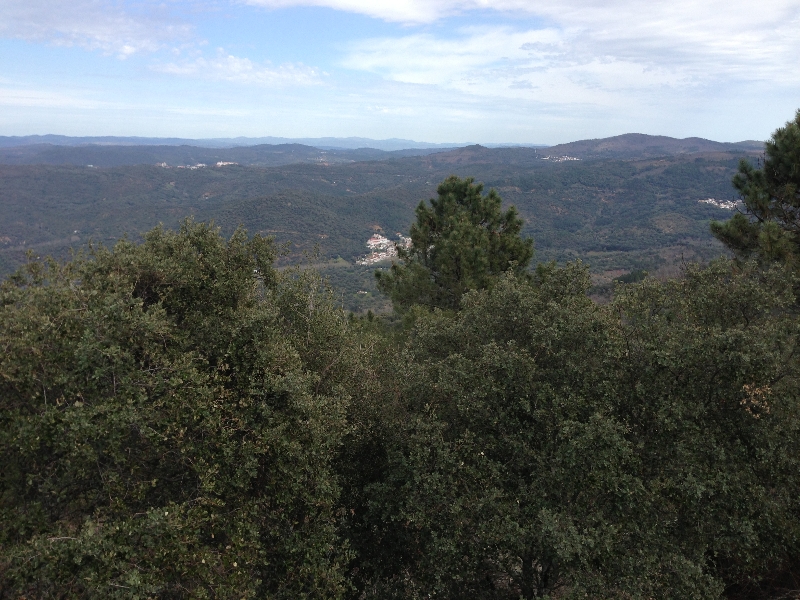
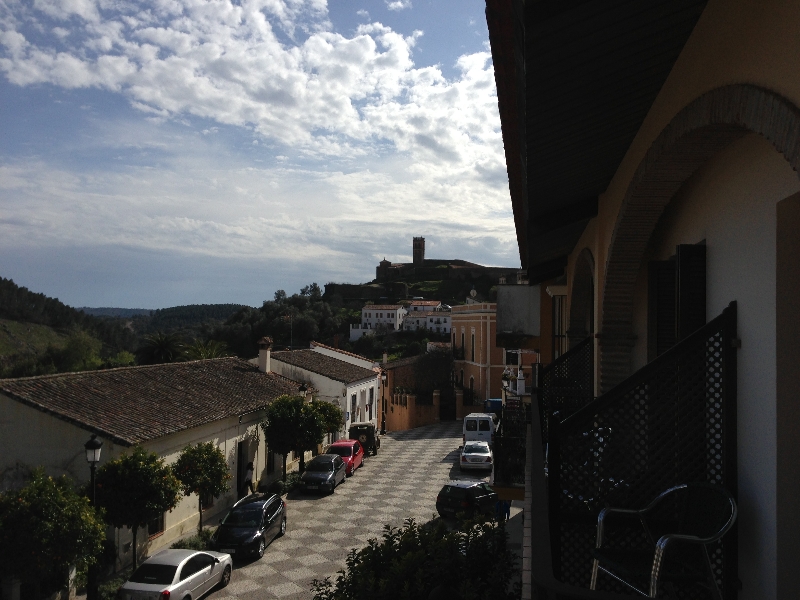
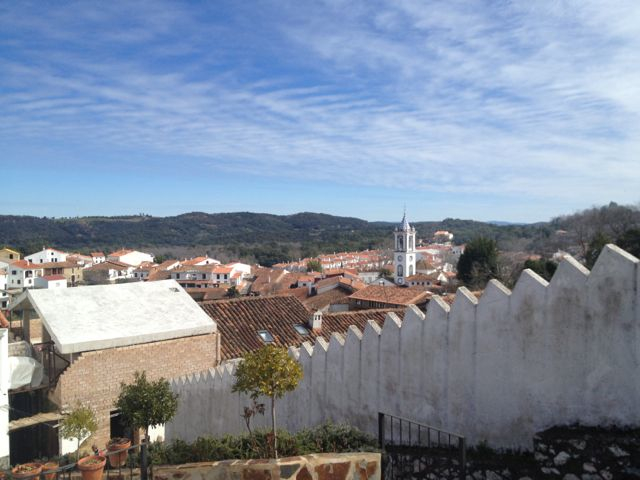
The view from our hotel in Galaroza, Spain.
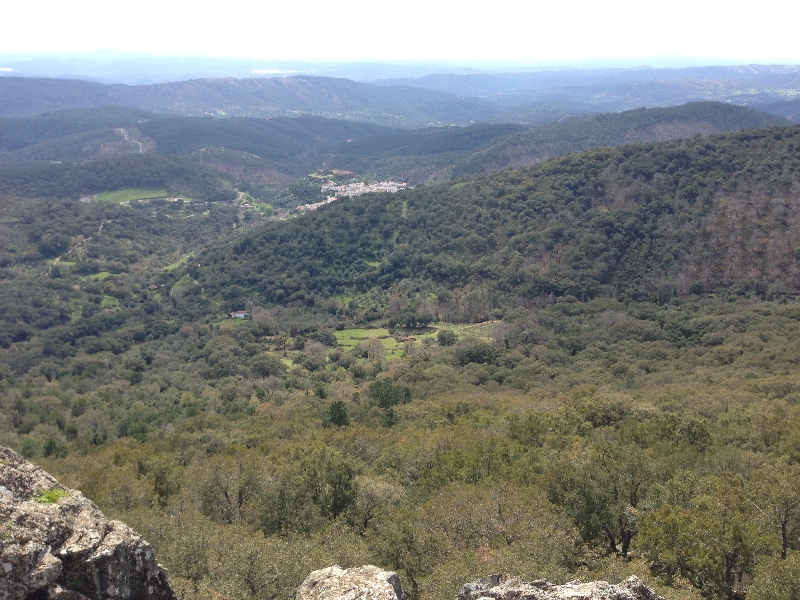
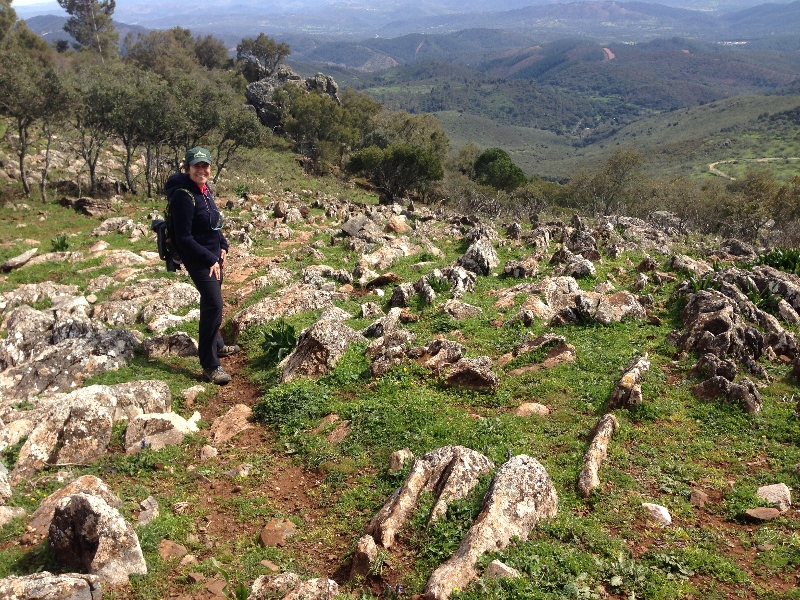
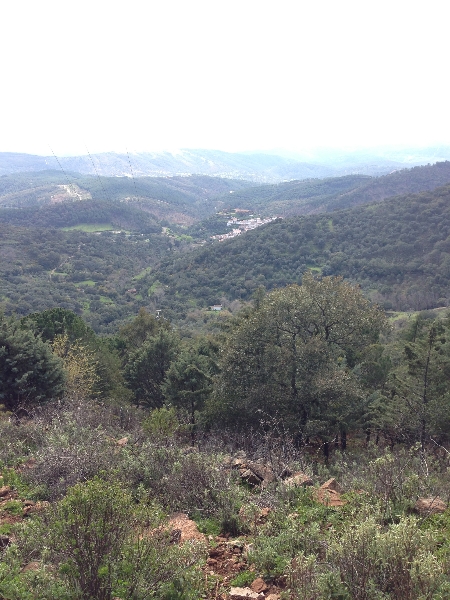
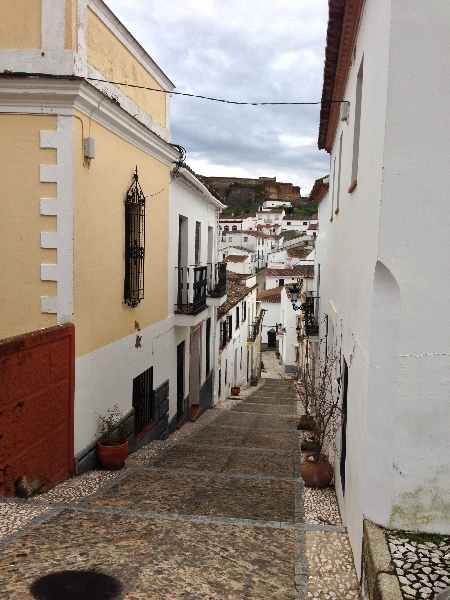
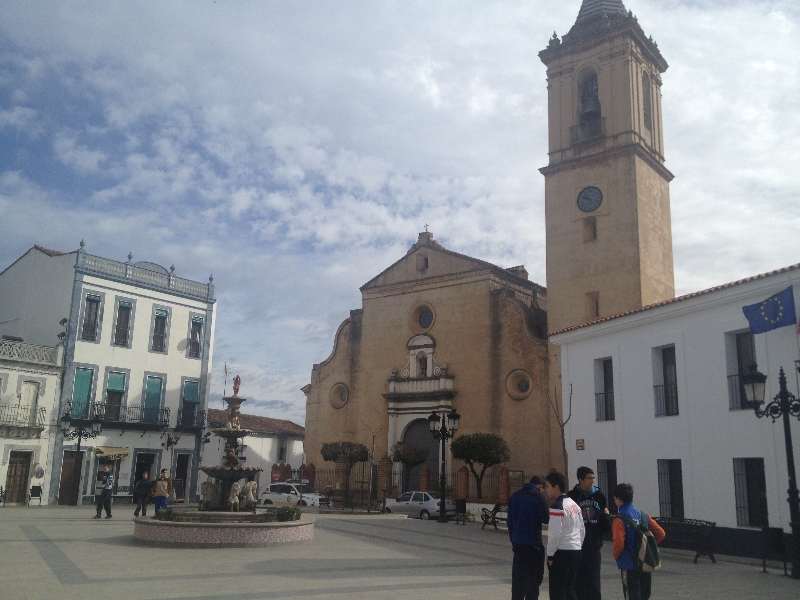
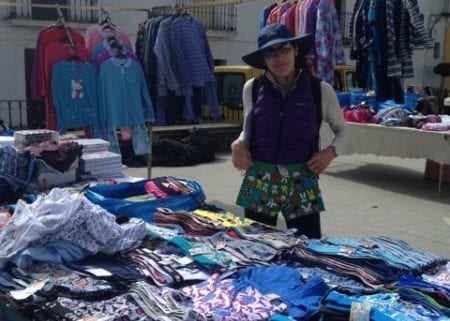
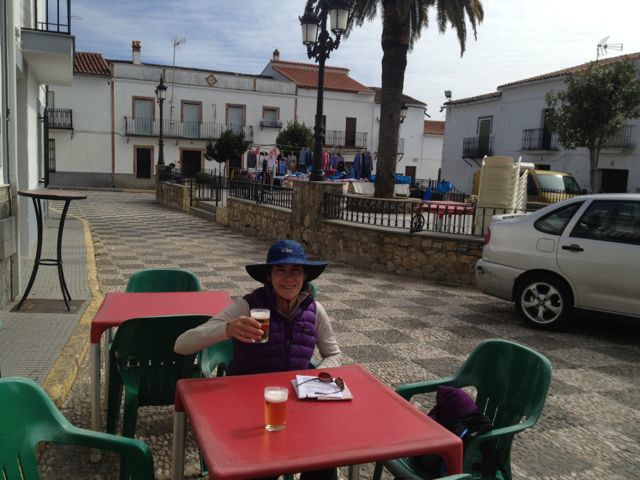
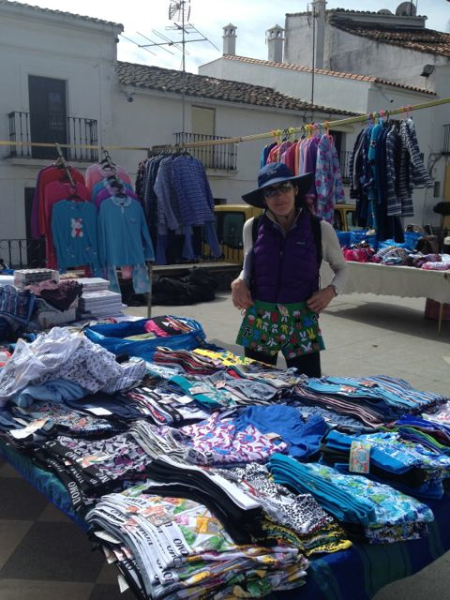
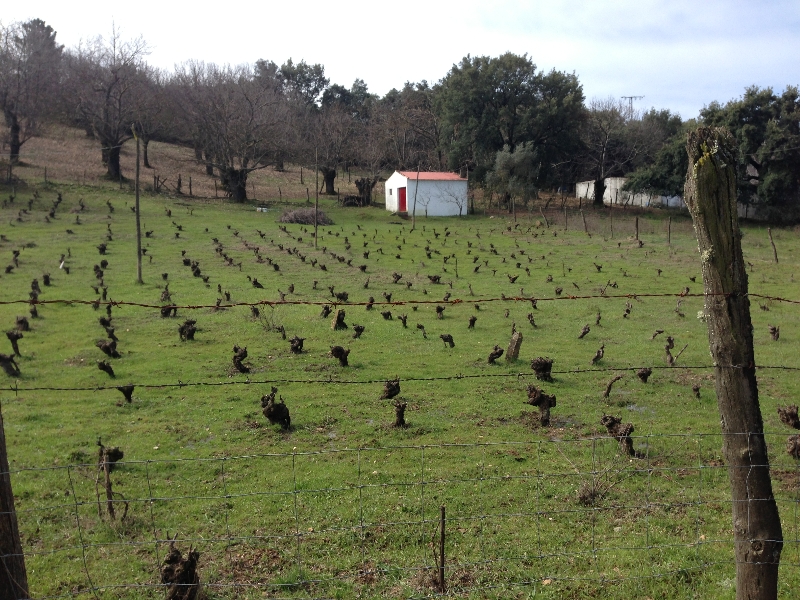
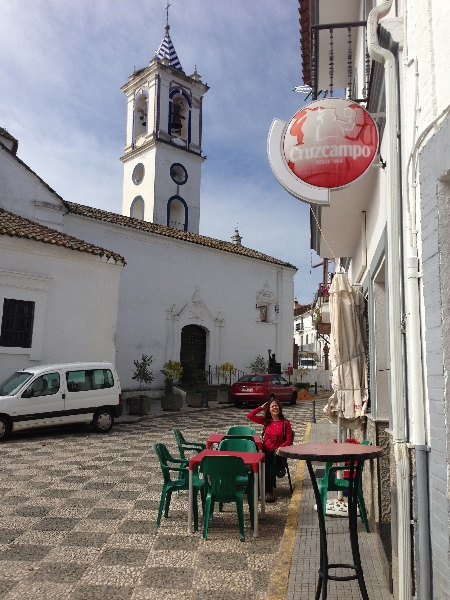
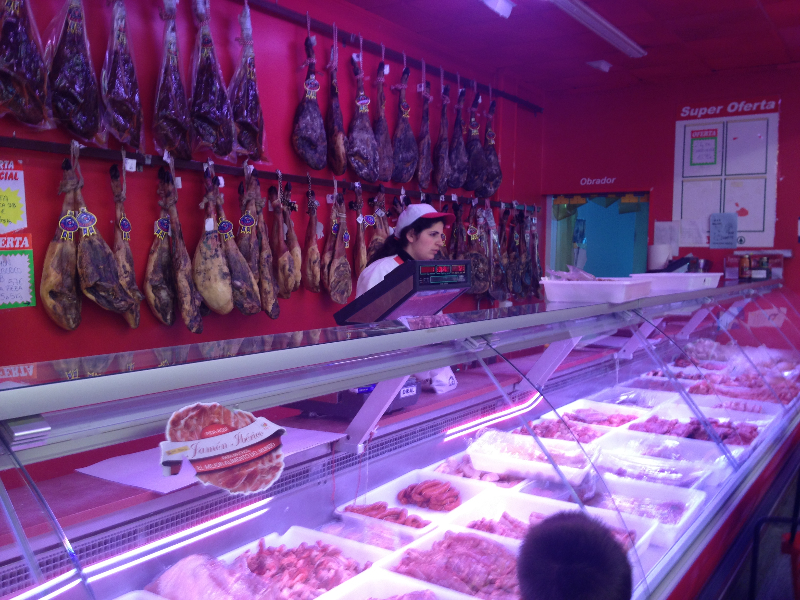
What a day! Nancy and I walked through vineyards, olive groves, forests, farms, and over streams on centuries old paths. Our path took us through several white washed mountain villages, in which we explored and sampled our favorite beer–Cruzcampo. The first village was Los Marines, which had a sunny town square that featured an open air market selling very colorful underwear. We walked around and then caught the trail out of town. After another lovely hike of about 5 miles, we made our way to Fuenteheridos where we sat in the town square and sampled the olives and soaked up the sun. Then we were on our way again. By 4, we reached our final destination, Galaroza. The view from our window is featured above. We found a butcher that sold our new favorite meat, Jamon Iberico, which sells for about $11.50 an ounce in the U.S. but we somehow purchased for about $1 an ounce. We’ll bring some back! Tonight, we are having dinner at the hotel and tomorrow is supposed to be our must rugged and challenging hike–about 10 miles in the mountains with no villages to stop at the whole day.
Aracena, Spain – 9 mile walk from Alajar to Aracena
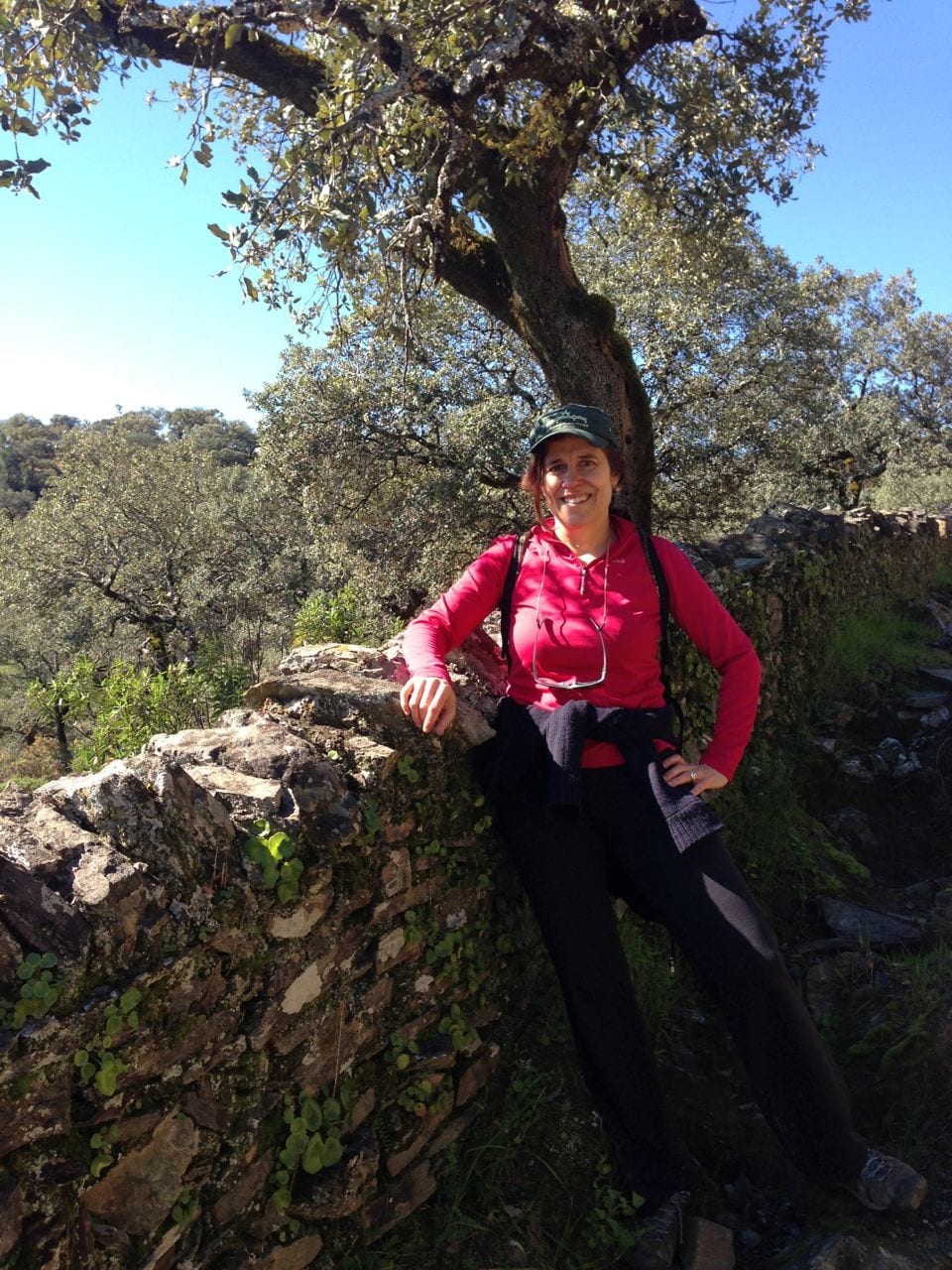
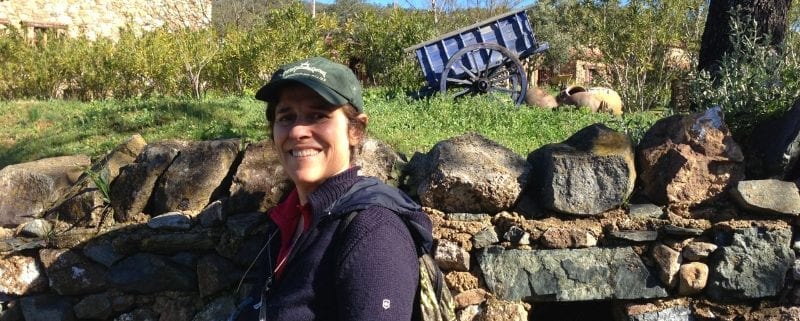
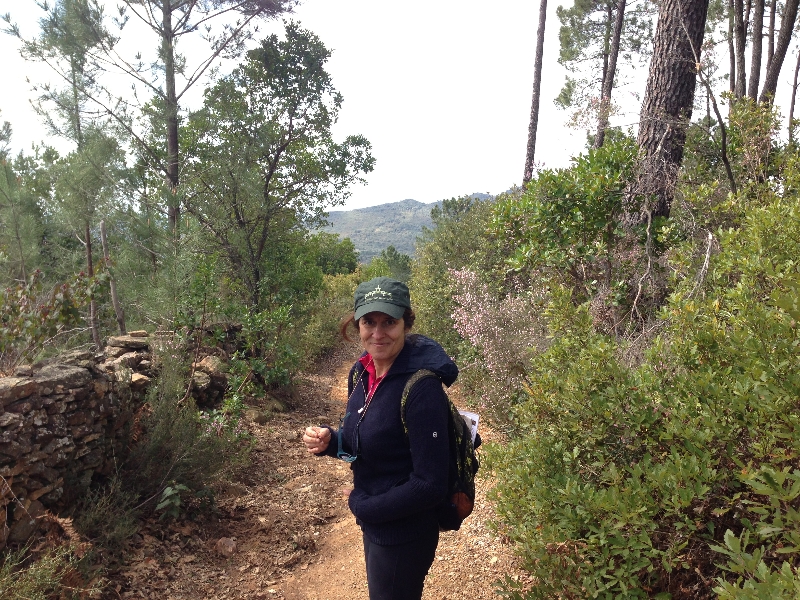
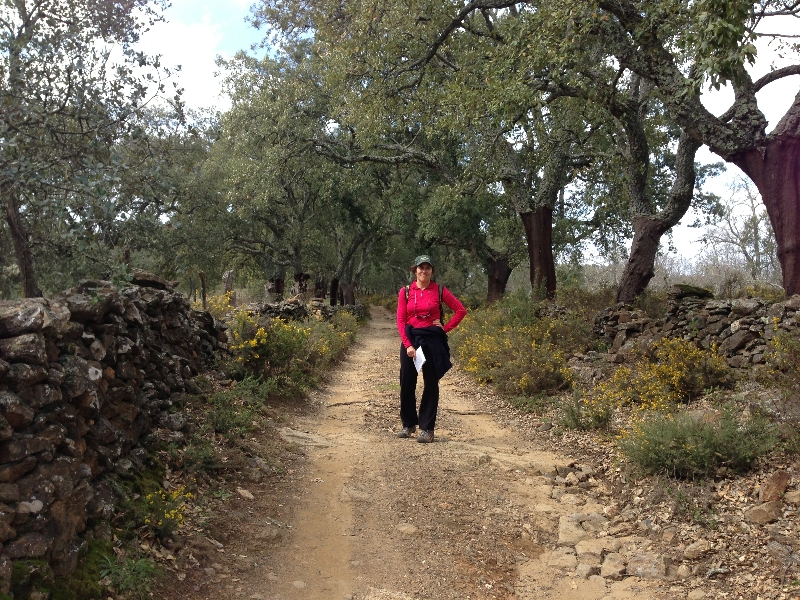
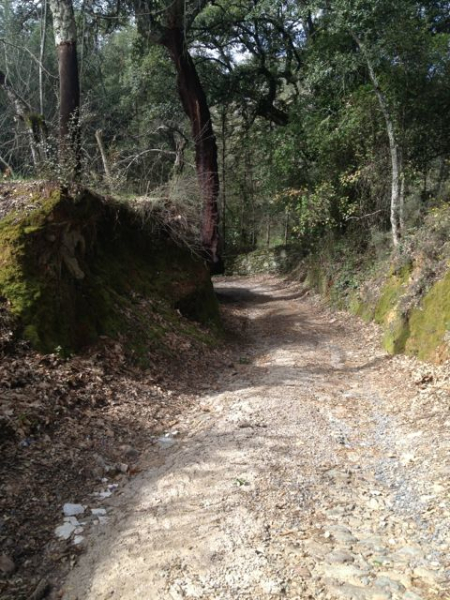
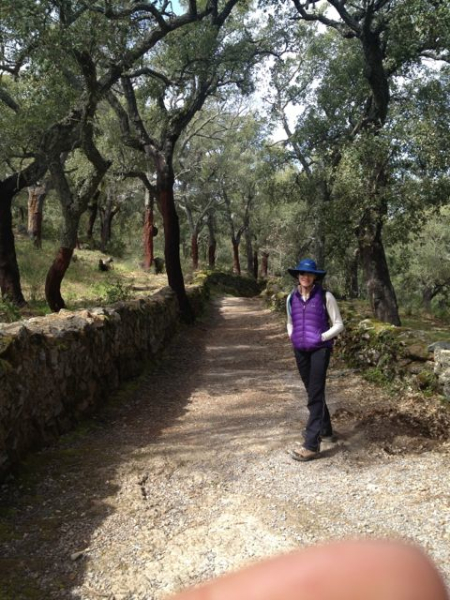
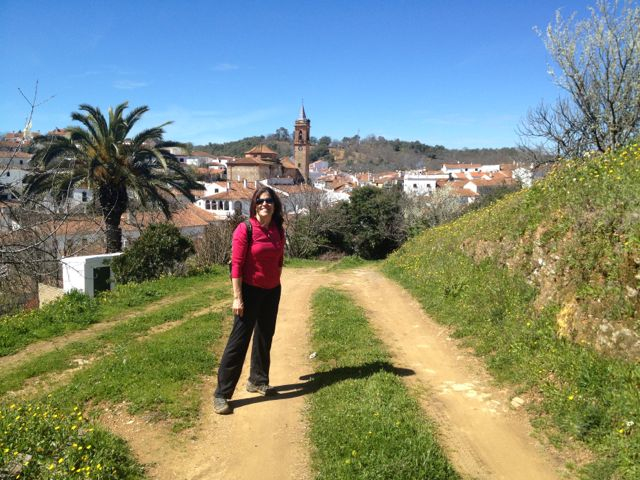
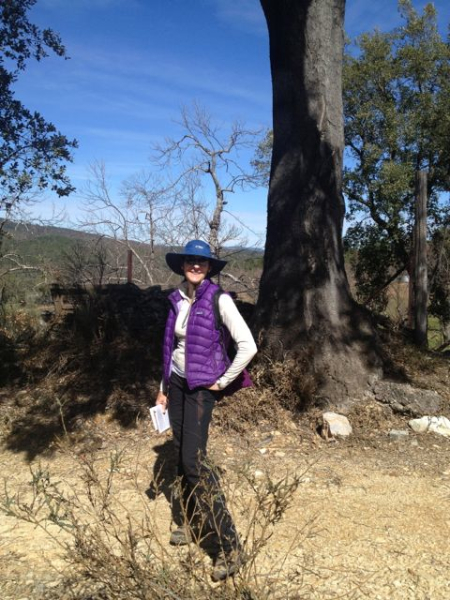
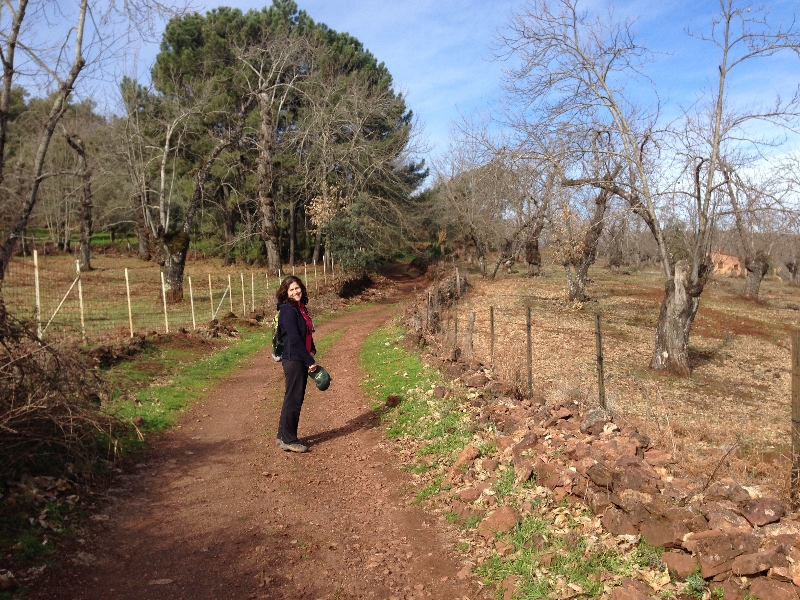
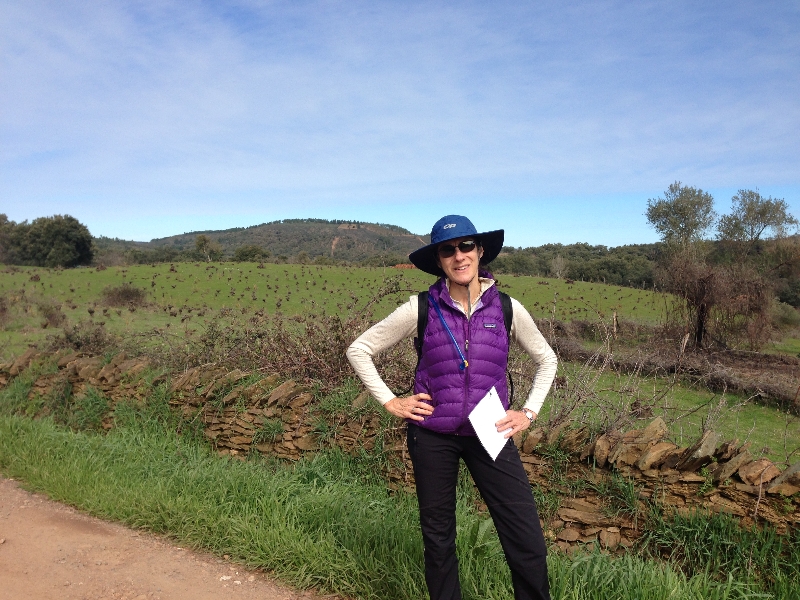
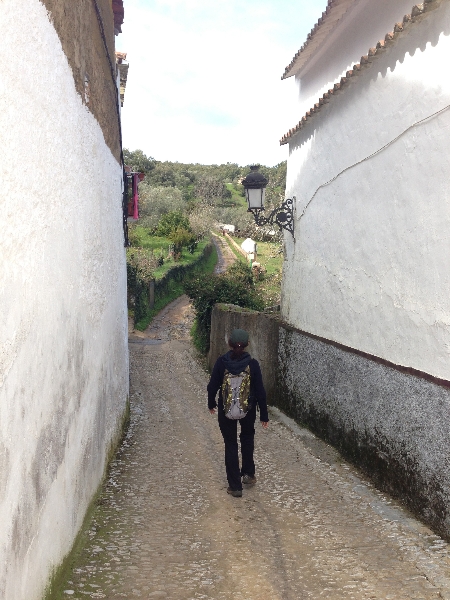
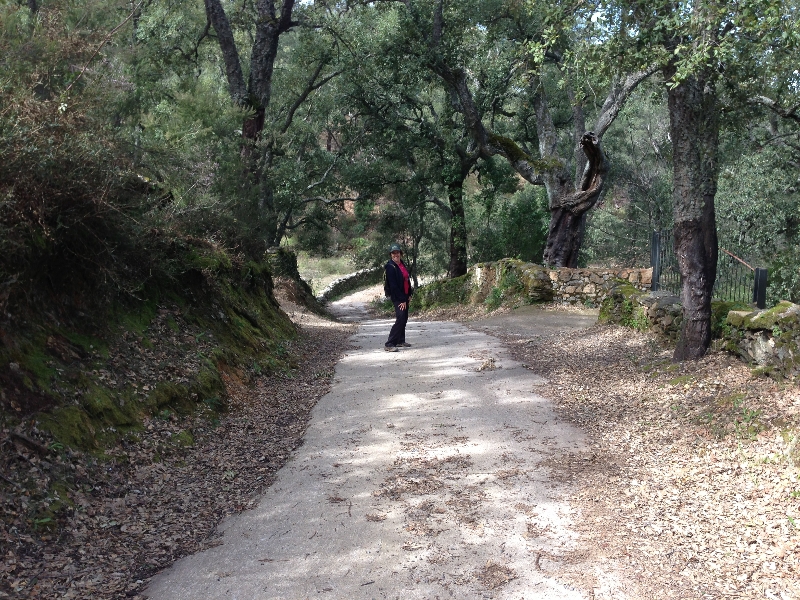
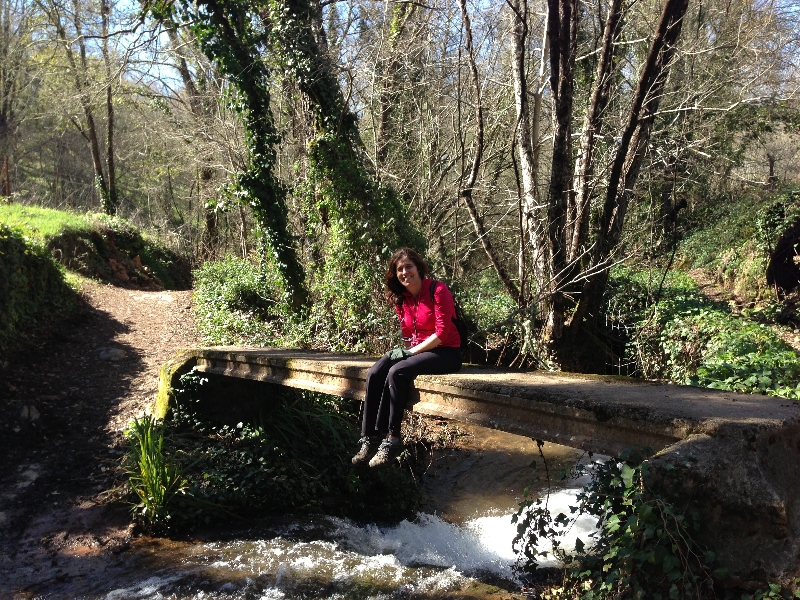
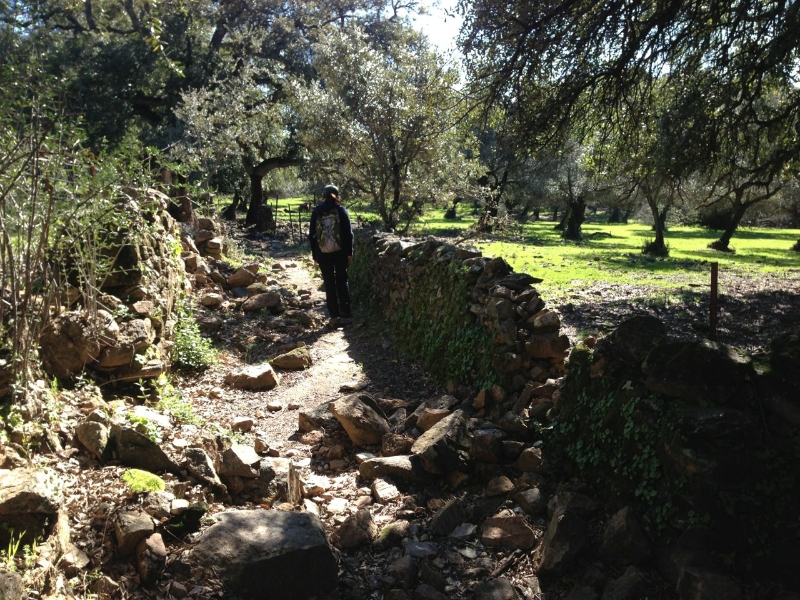
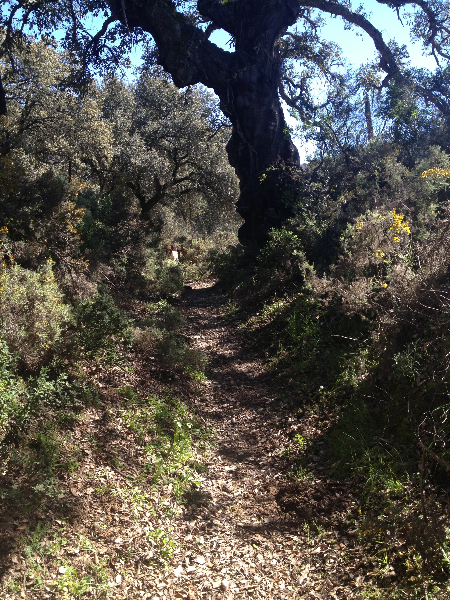
Jean on the trail
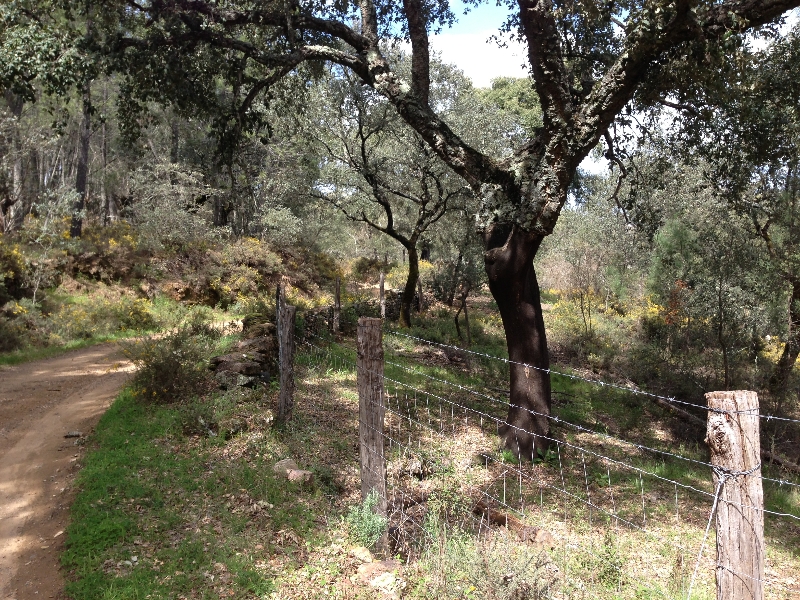
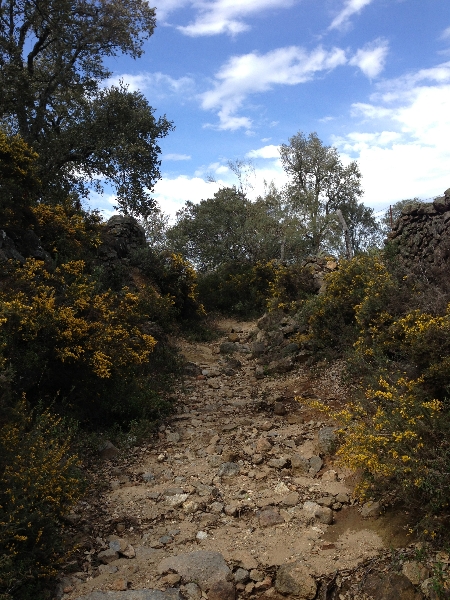
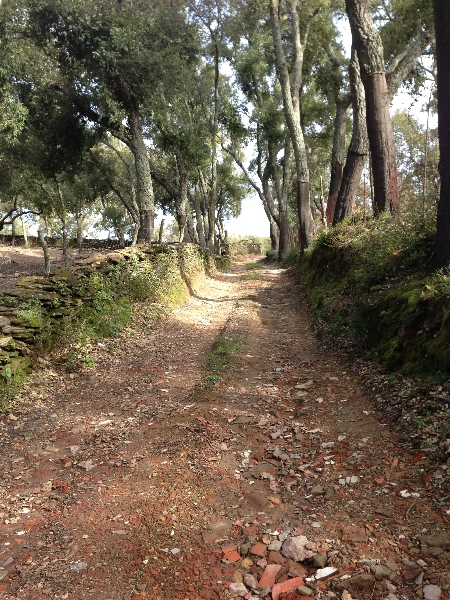
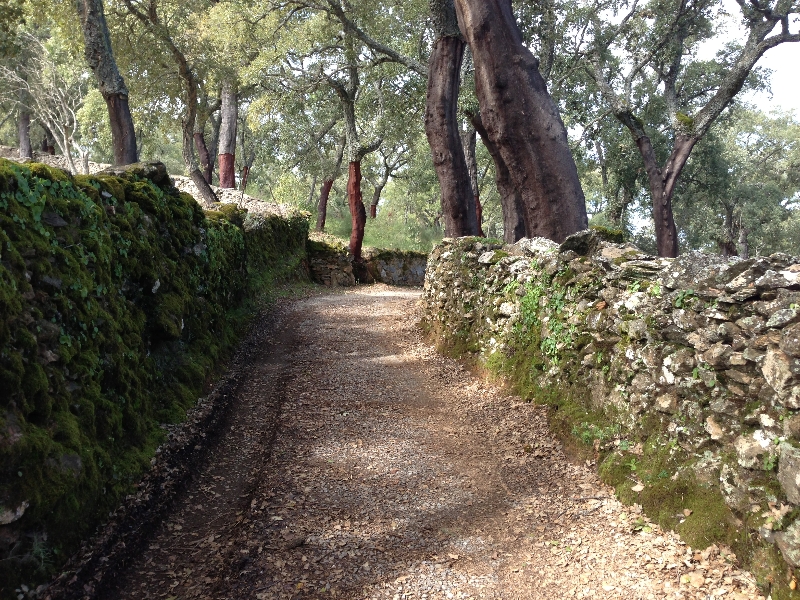
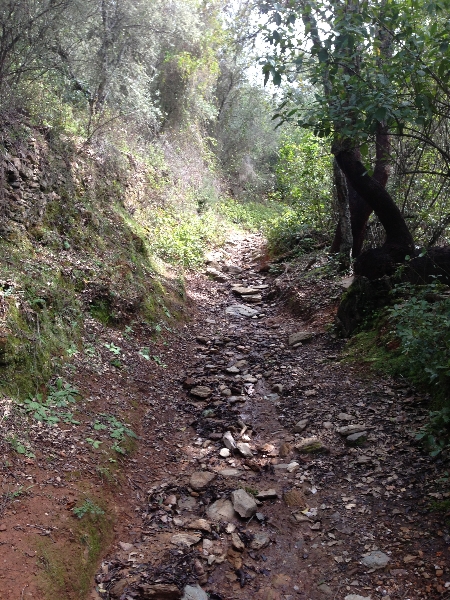
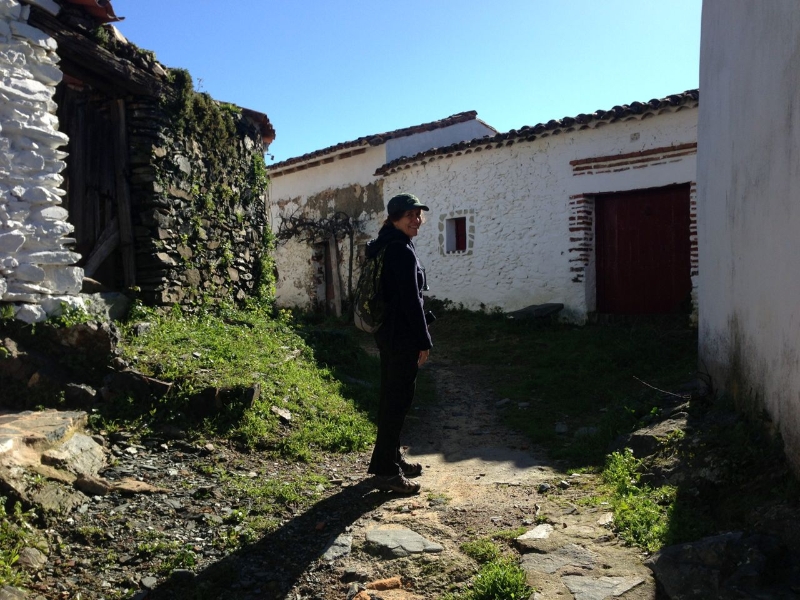
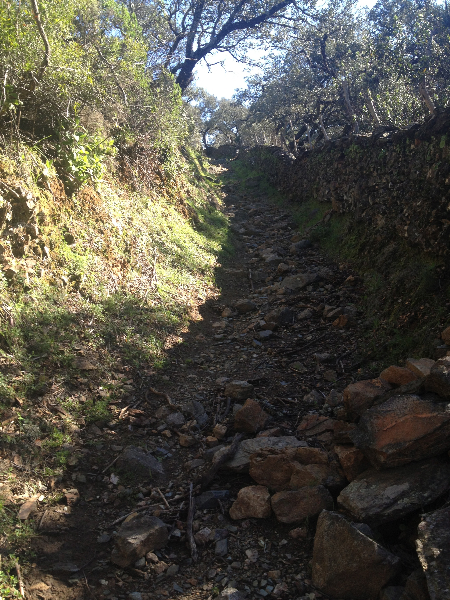
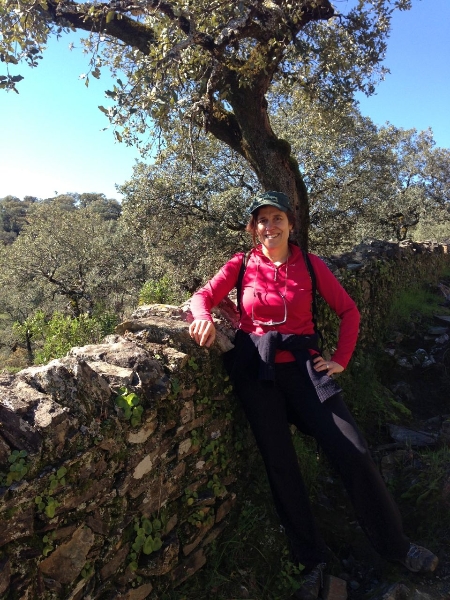
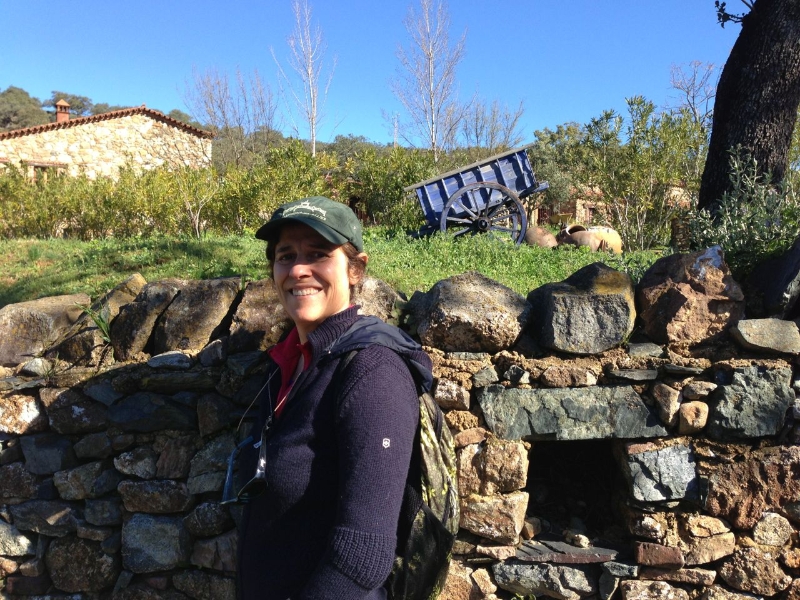
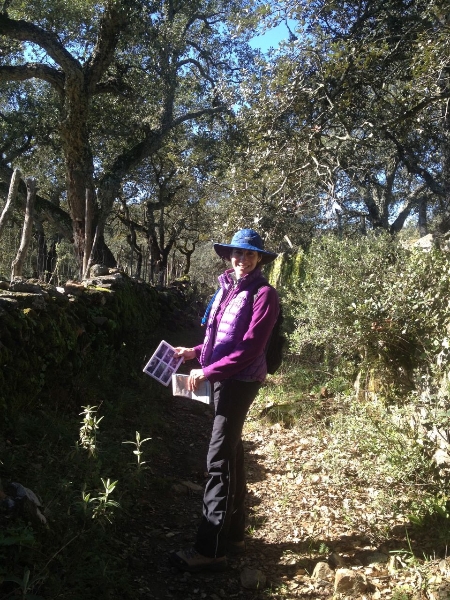
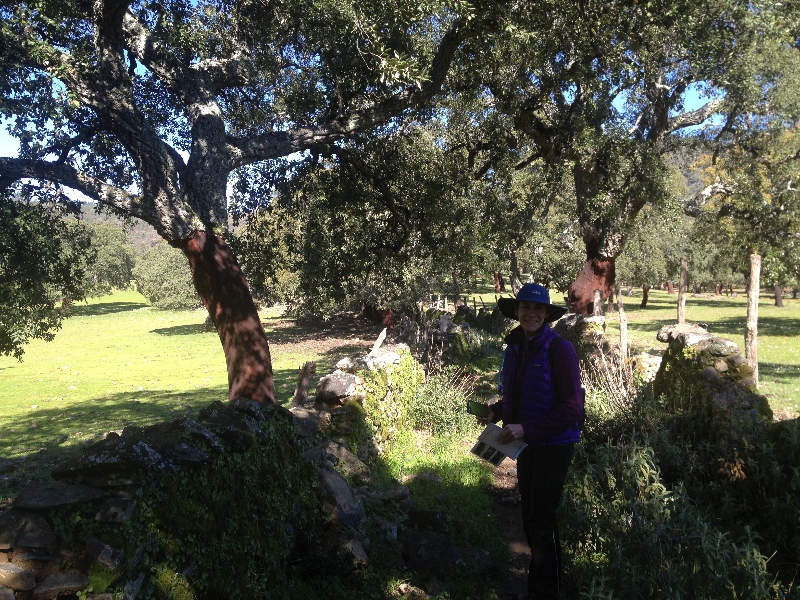
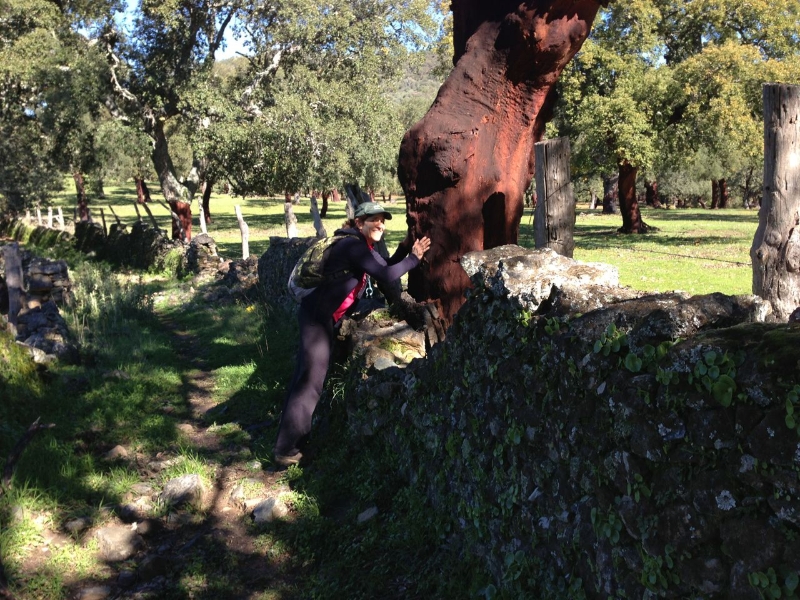
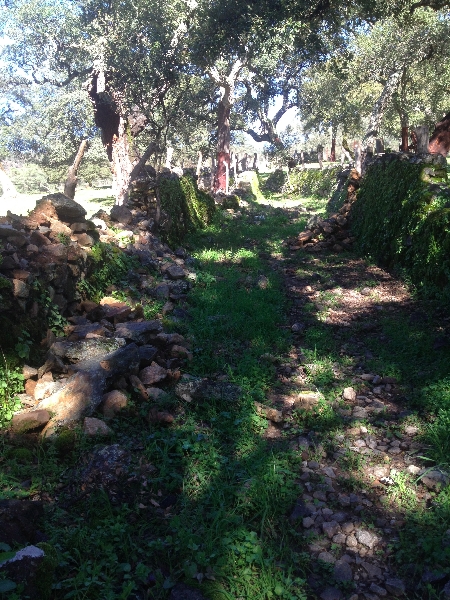
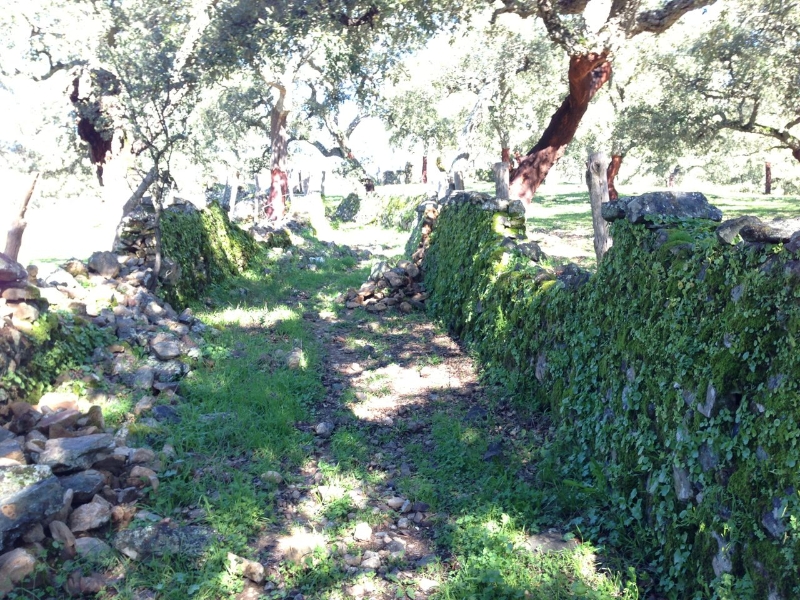
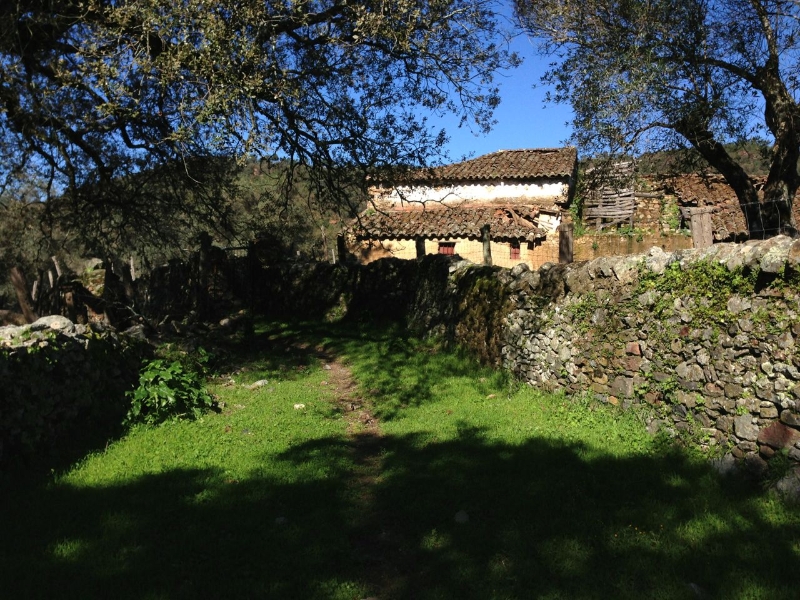
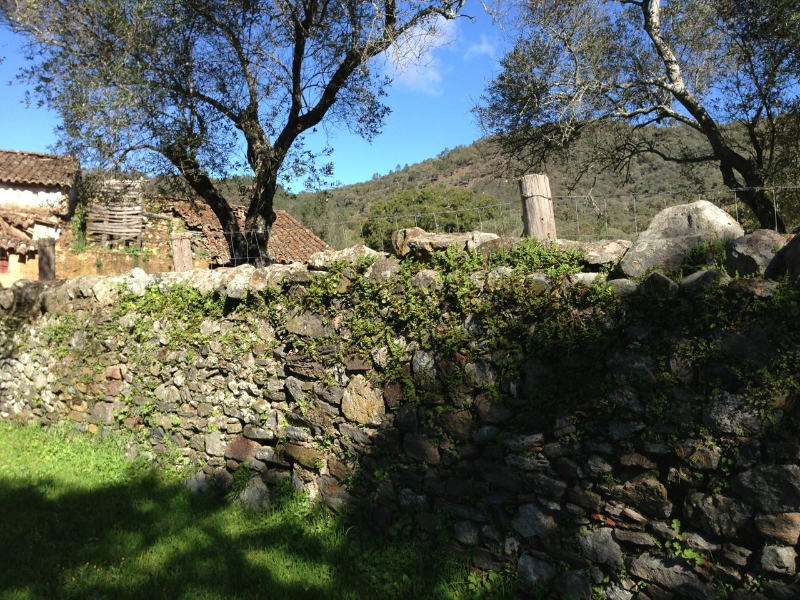
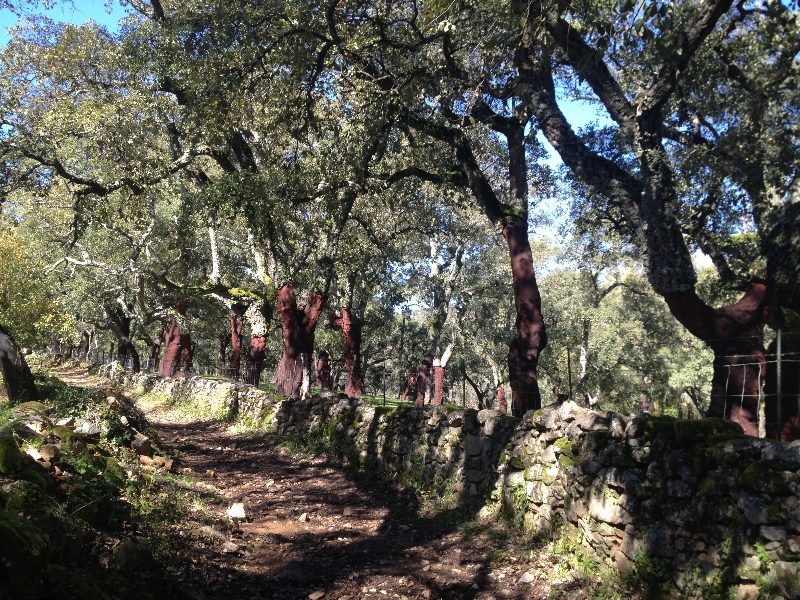
Today Jean and I hiked from Alajar to Aracena along centuries old pathways. The paths were often between two farms, with ancient stone walls on either side of the walkway. The weather was just perfect – the sort of bright day you get after two weeks of rain. The temperature was cool and breezy, the sun was warm and bright, there were no clouds, no bugs, no humidity, no sounds other than birds and water and the crunch of our boots on the stones.
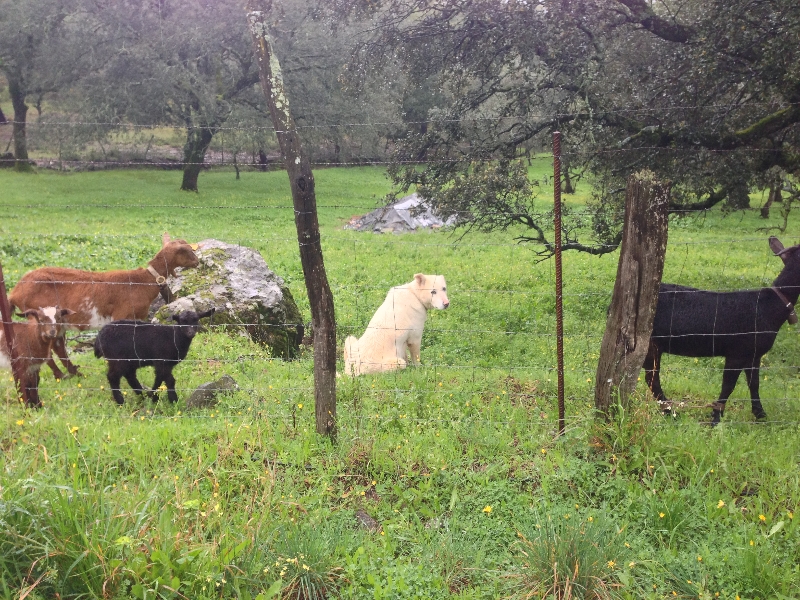
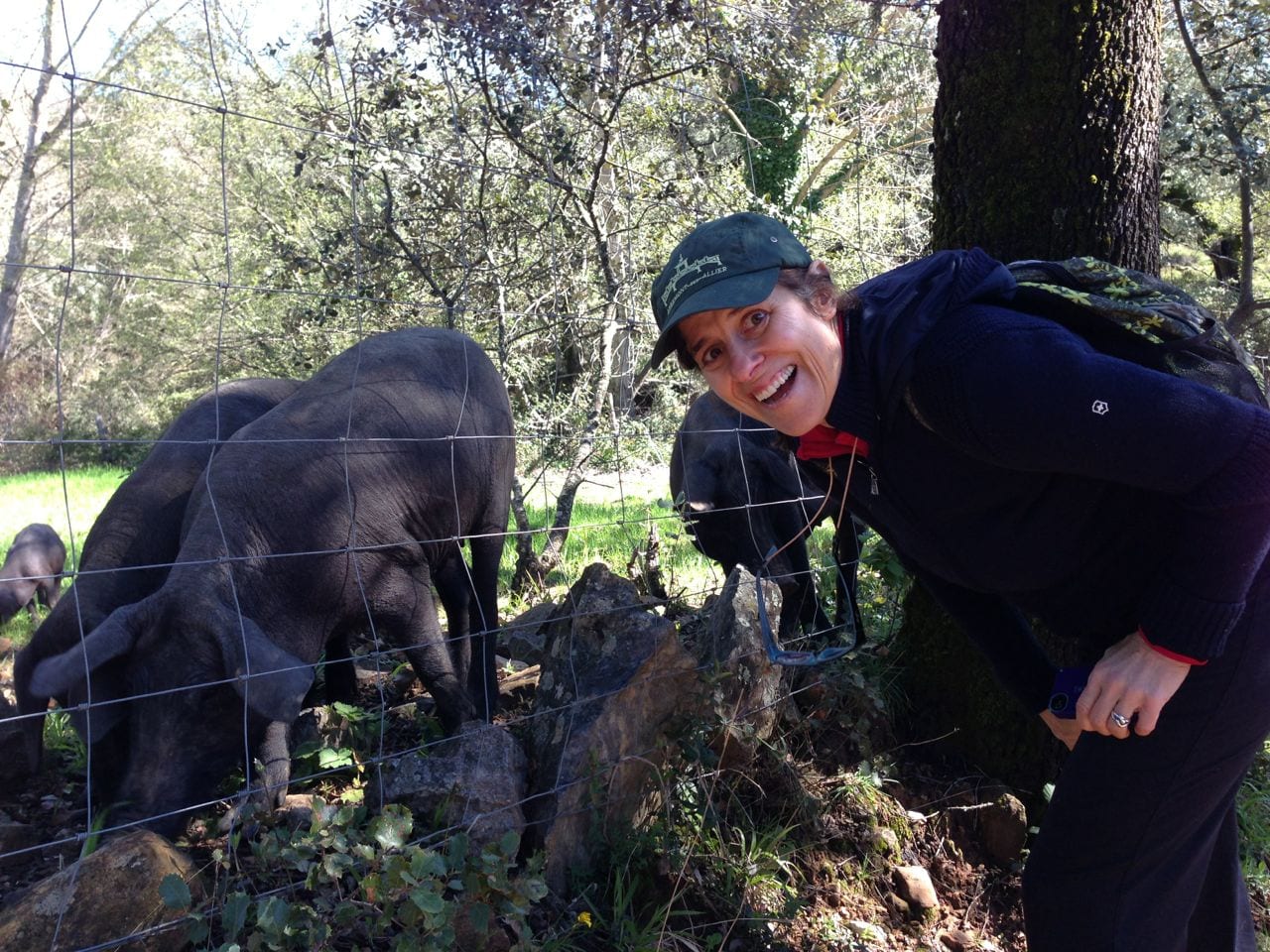
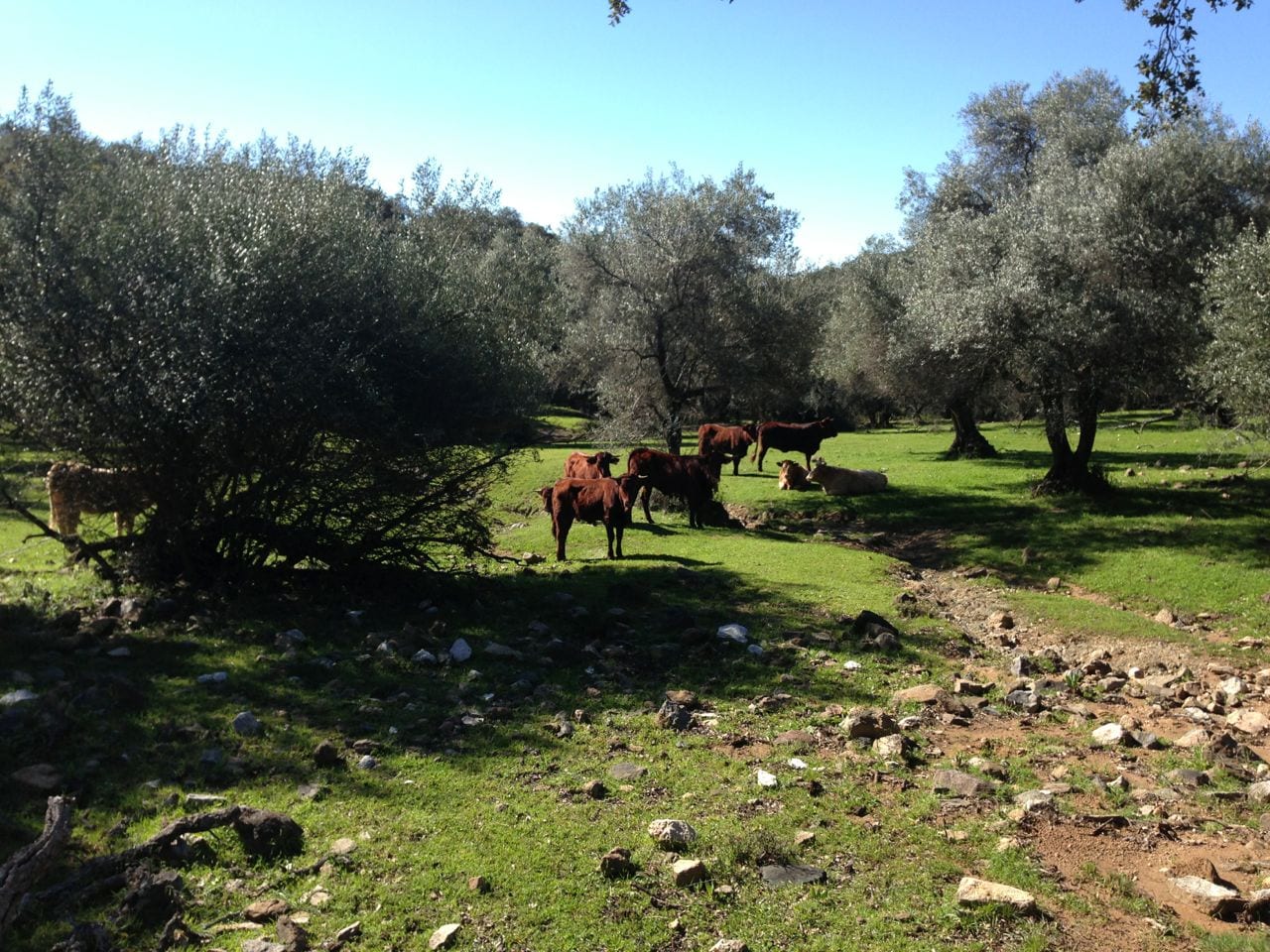
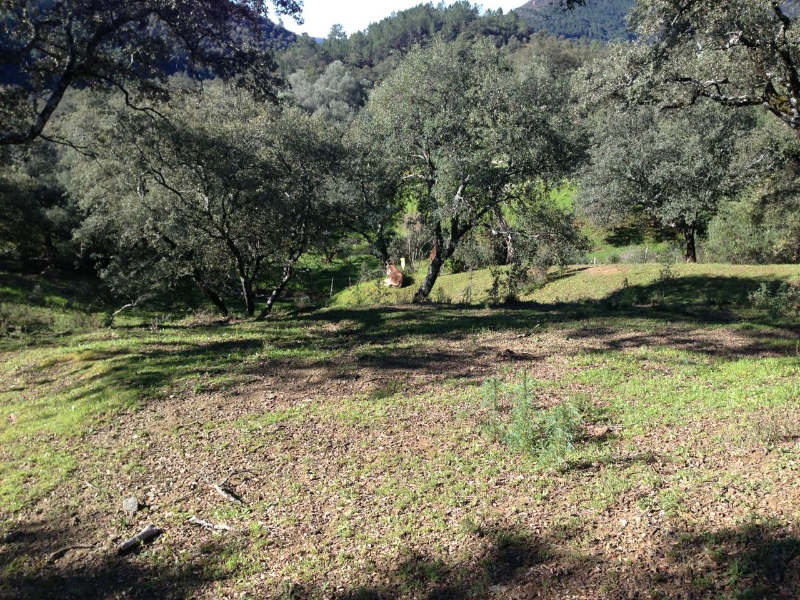
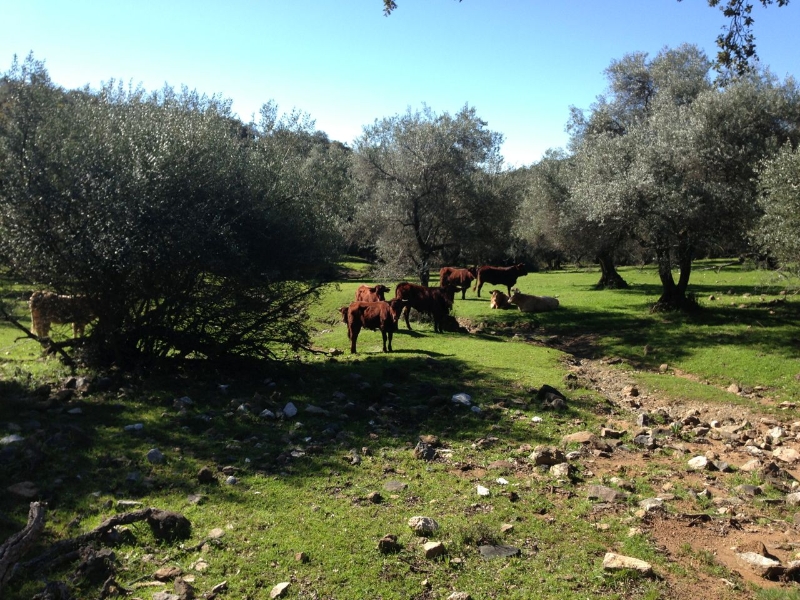
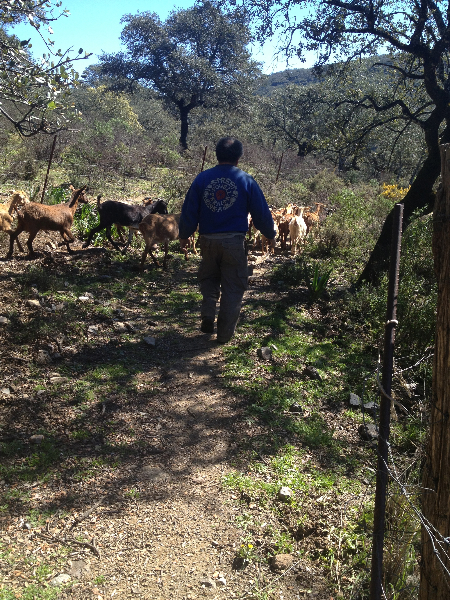
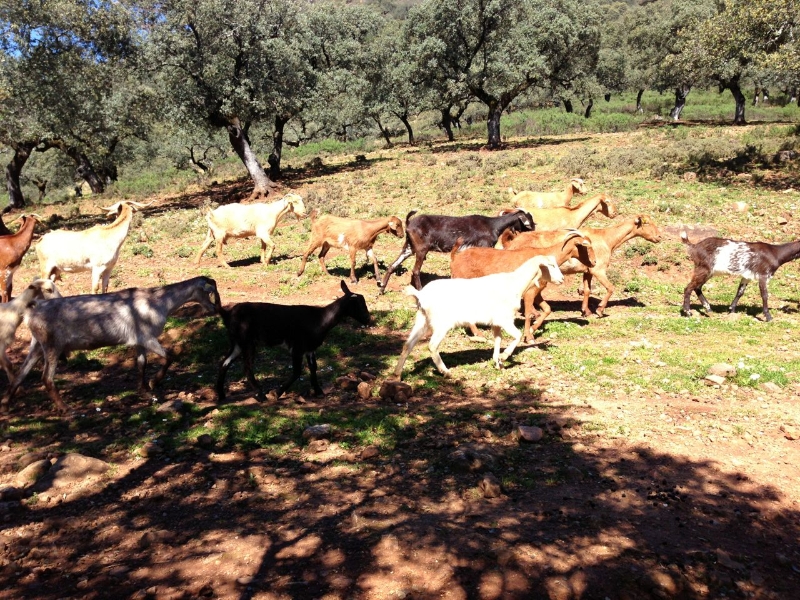
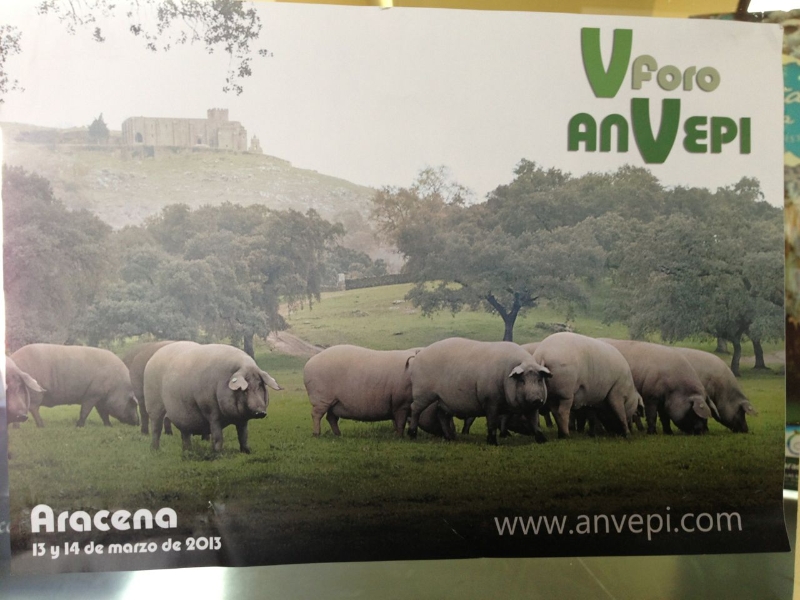
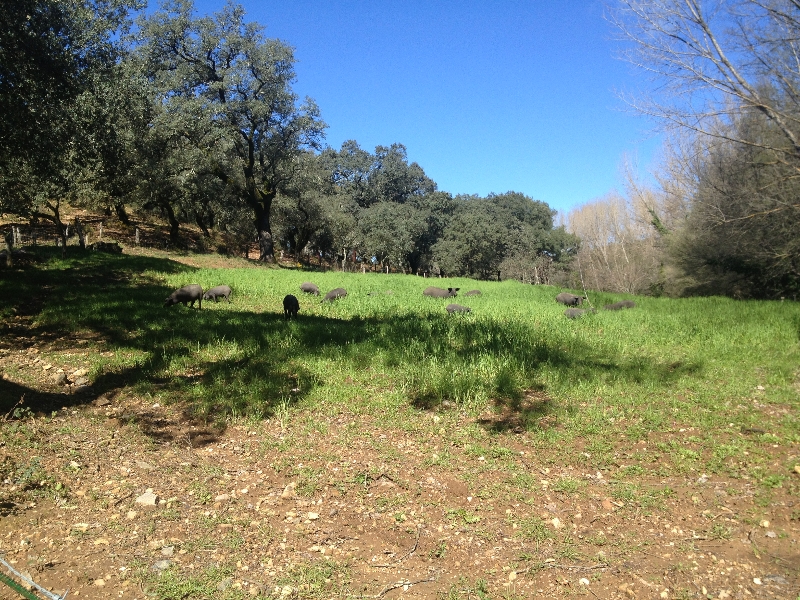
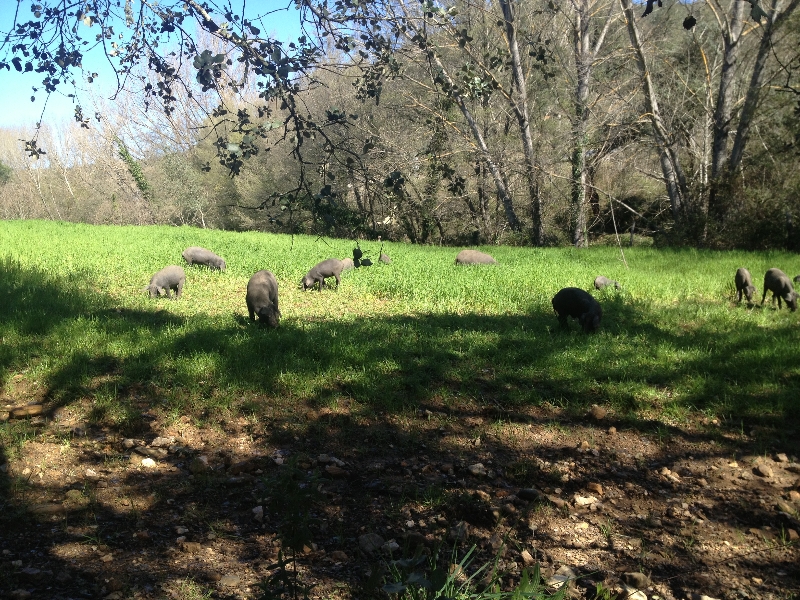
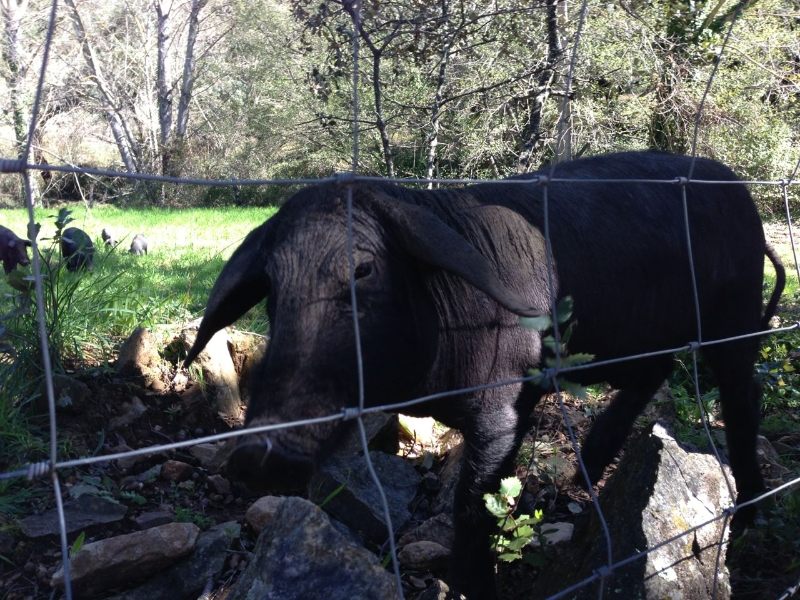
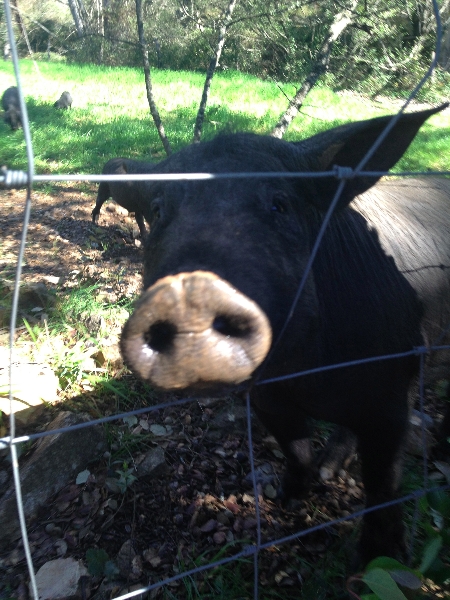
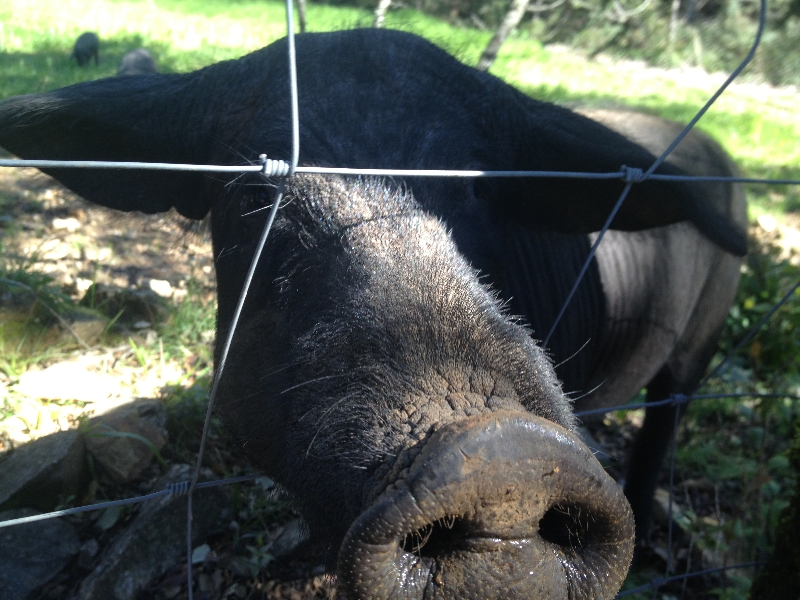
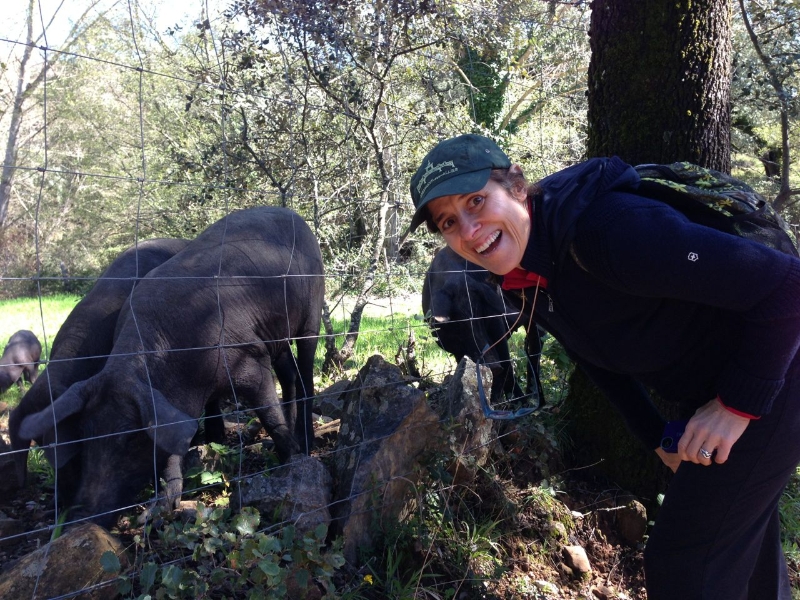
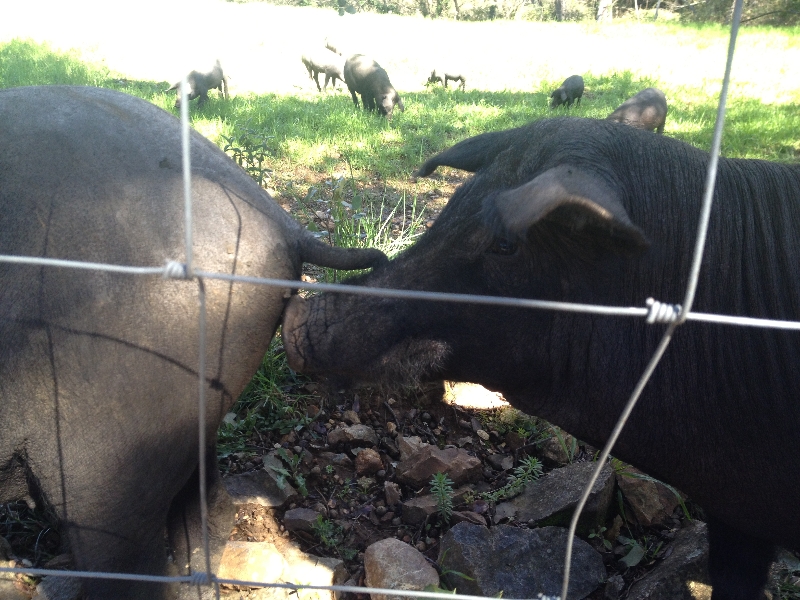
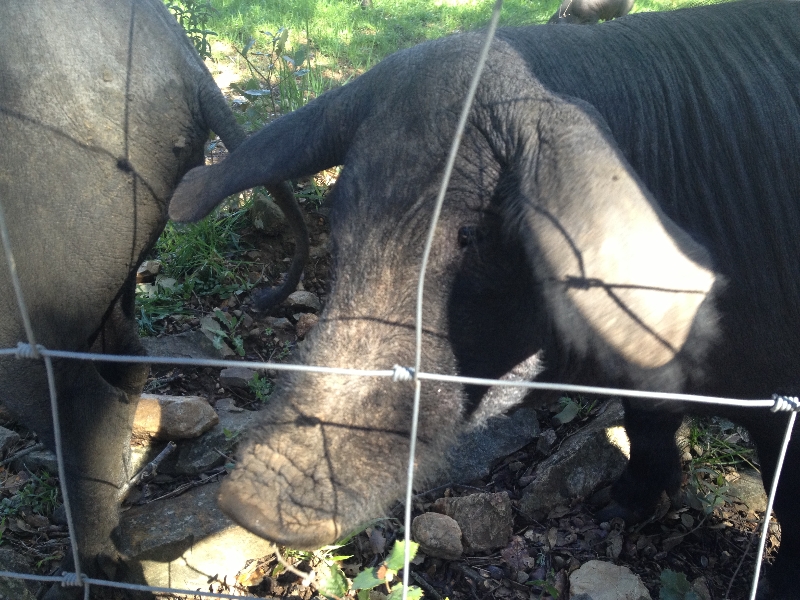
Along the way we passed the famous Adalusian pigs as well as bulls and goats. For a while we even walked along with a goat herder and his flock.
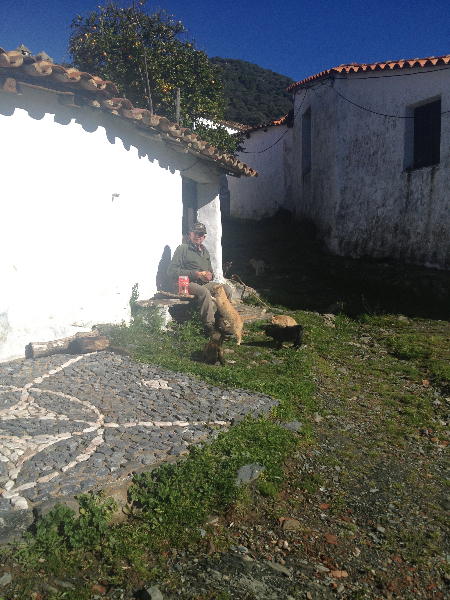
We passed through the sleepy hamlet of Madroneros (which means strawberry tree, whatever that is) where the only inhabitant we saw was an old man feeding stale bread to a herd of cats. Jean blurted out ‘gatos’ when she saw the cats which prompted the man to regale us with a torrent of Spanish, none of which we understood. Jean videotaped some of his diatribe, perhaps Wade can interpret it for us.
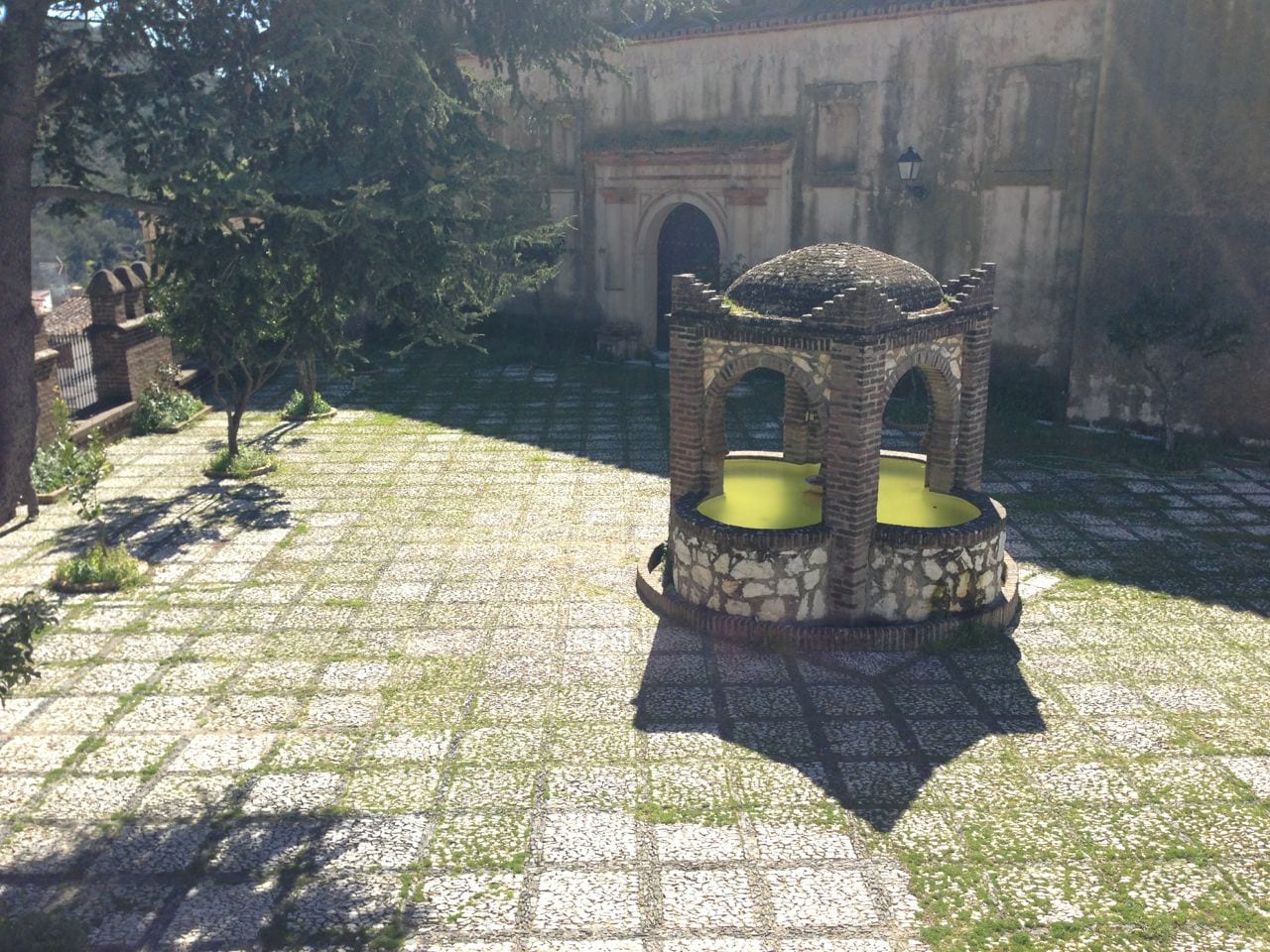
Churchyard in Linares de la Sierra
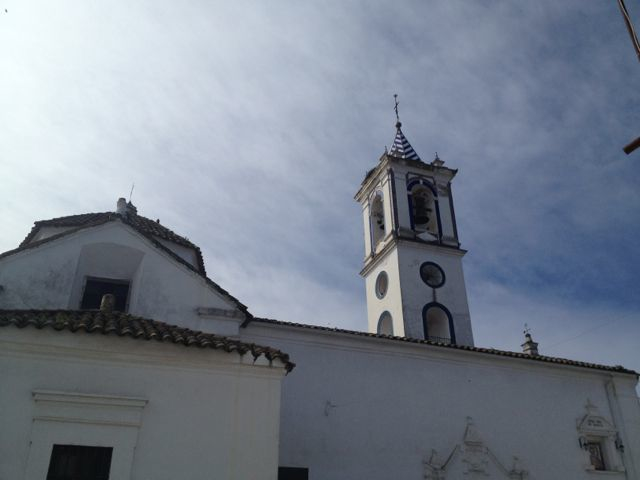
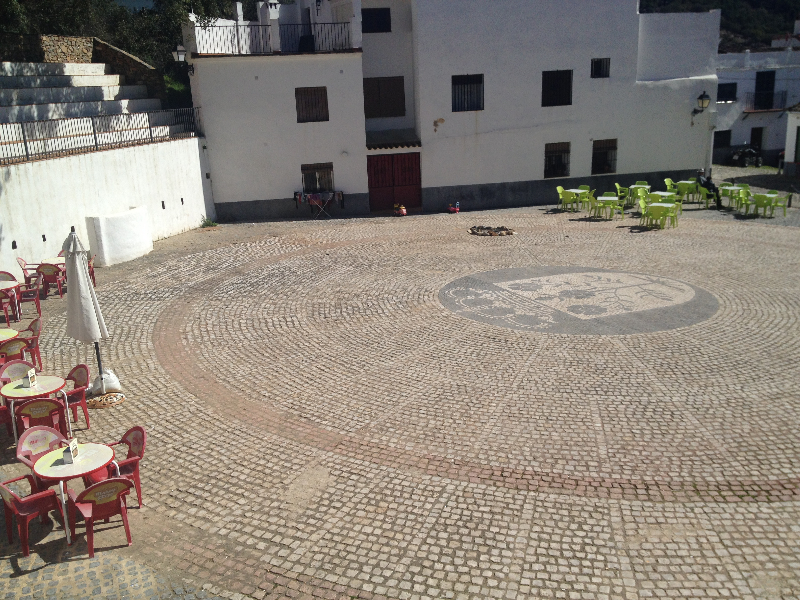
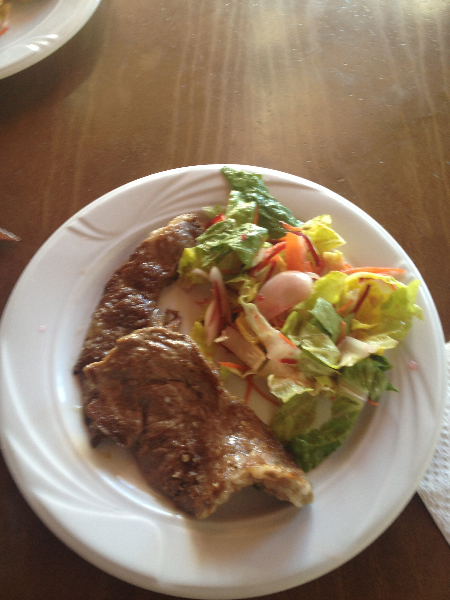
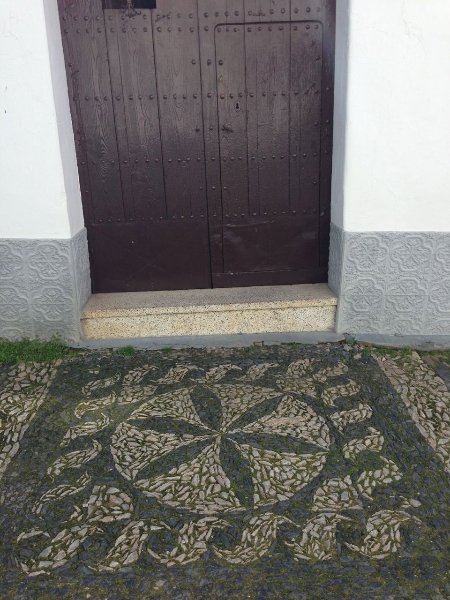
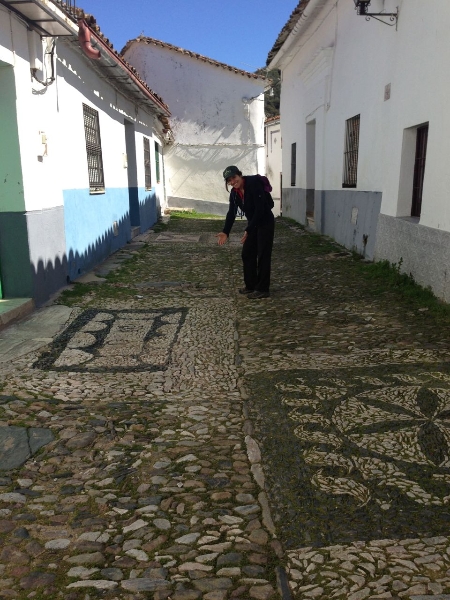
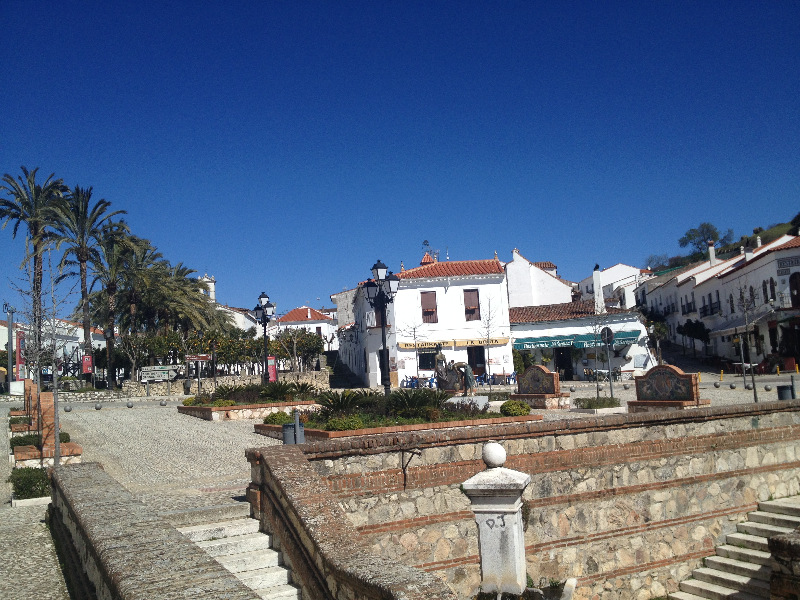
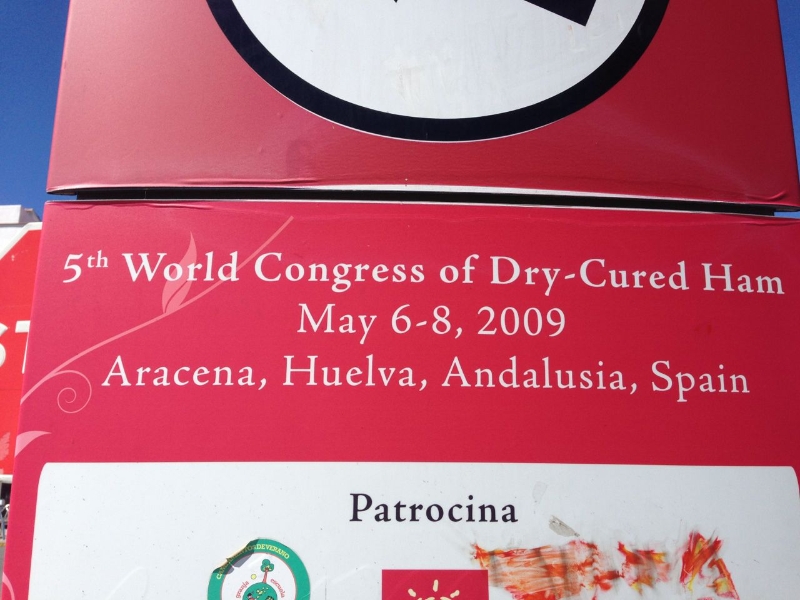
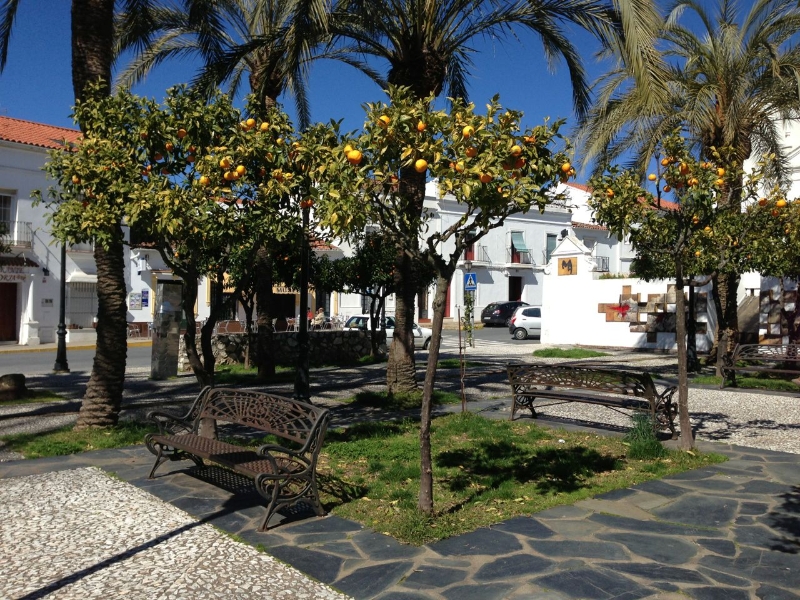
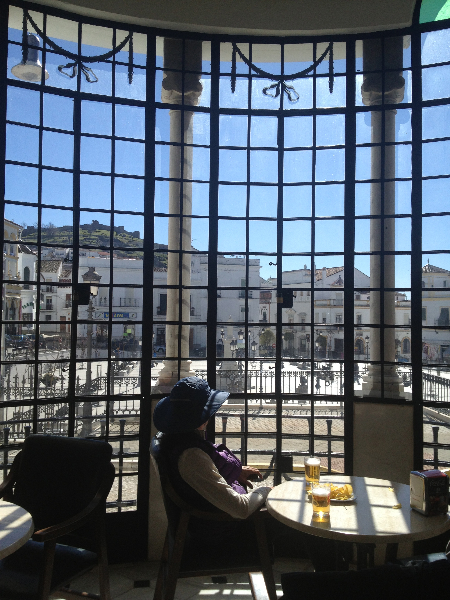
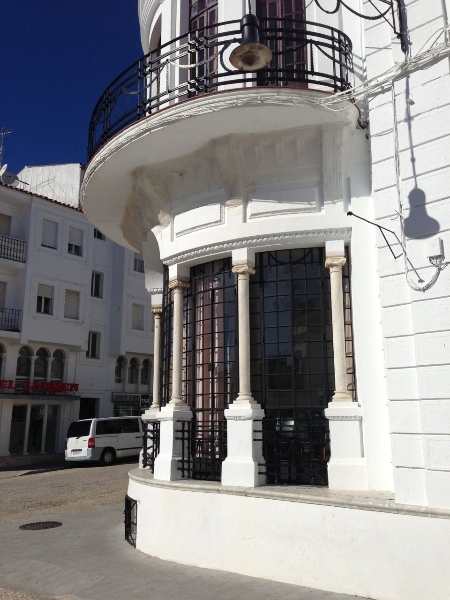
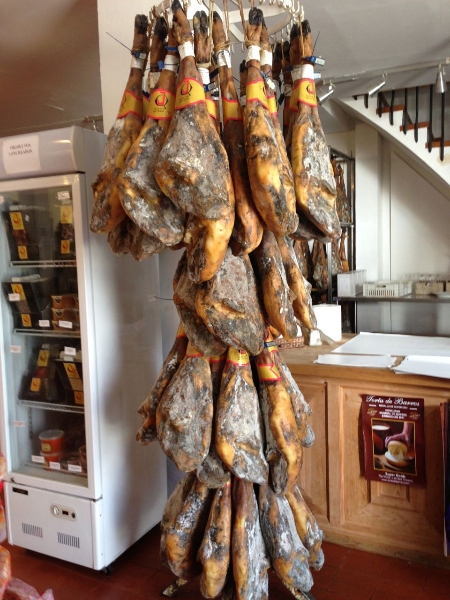
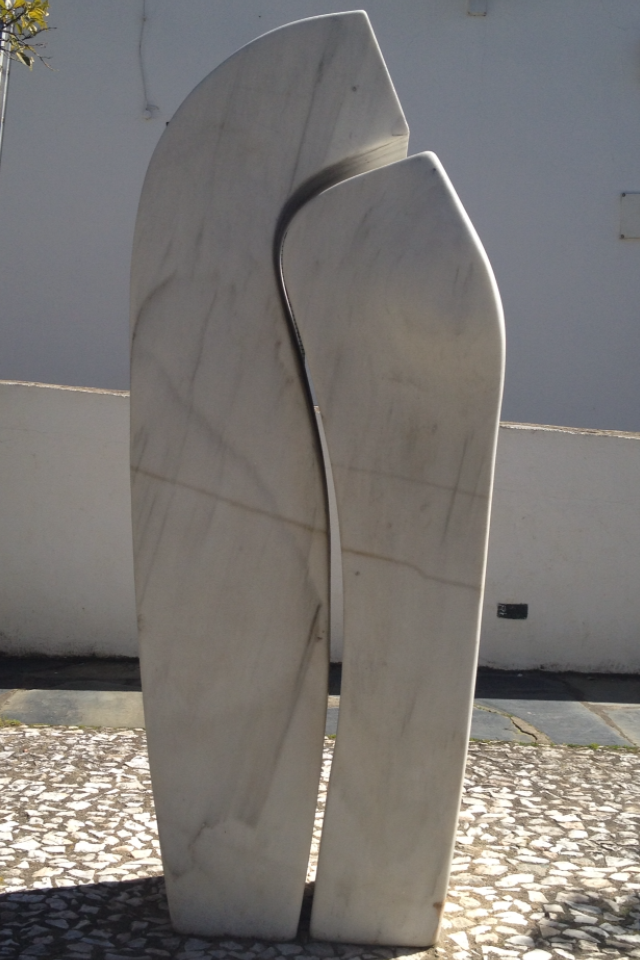
The next town we came to was Linares, which had a bull ring, a church (of course), and a delightful town square with women washing their clothes in the fountain. We tried to order some jamon serrano but we ended up with something else entirely; luckily it was very good. We continued on into Aracena and wandered around the town viewing the outdoor sculptures adorning all the streets and parks. We considered going to the Ham Museum and the Cave of Wonders but it was siesta time and nothing at all was open, so the only thing we could do was sit in the Casino of Aracena, a gorgeous bar, and drink beer and play Rummikub.
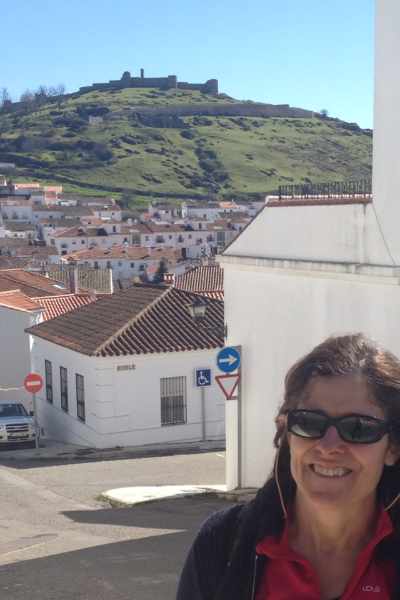
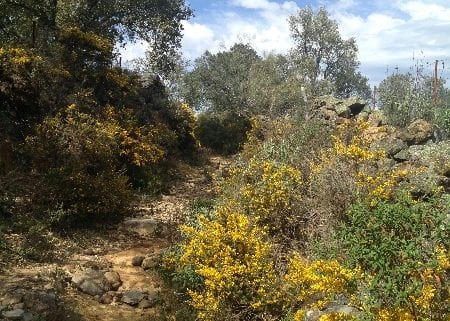
Alajar, Spain – 11 mile loop hike
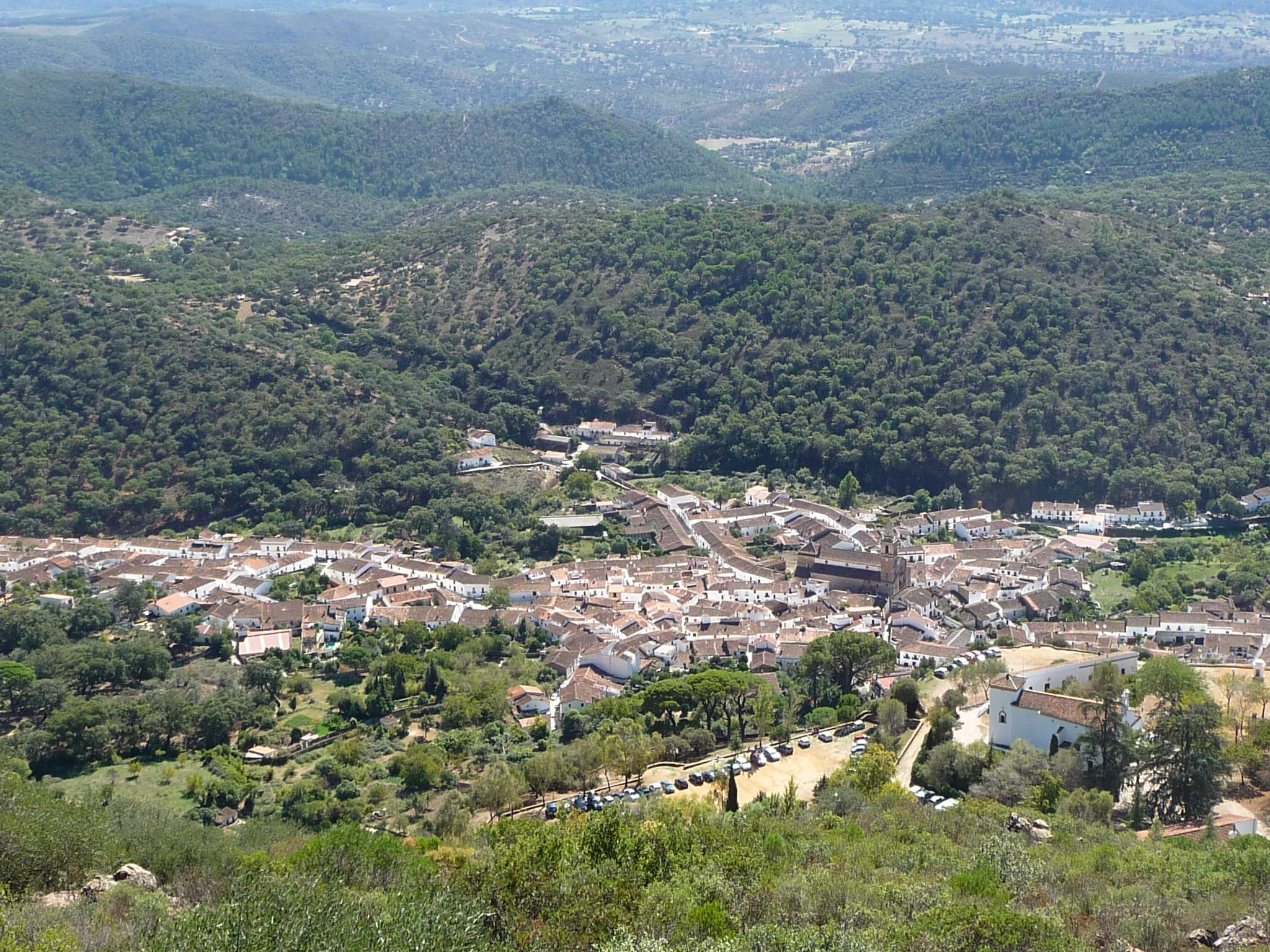
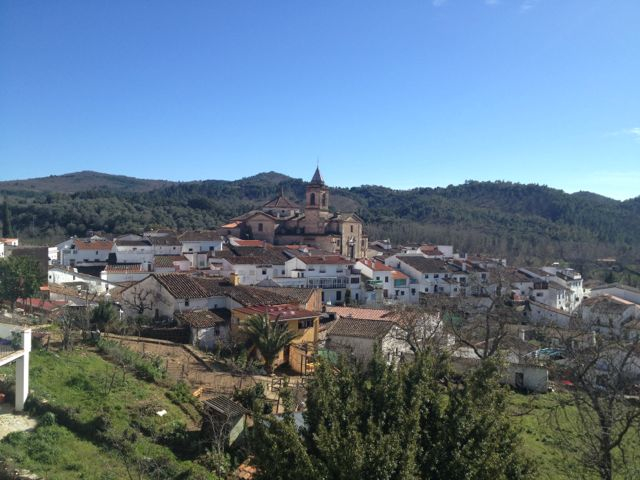
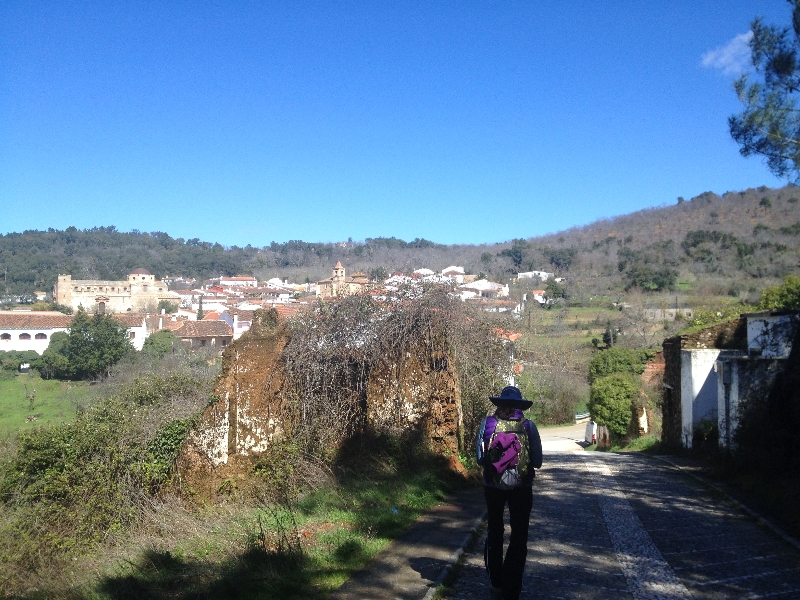
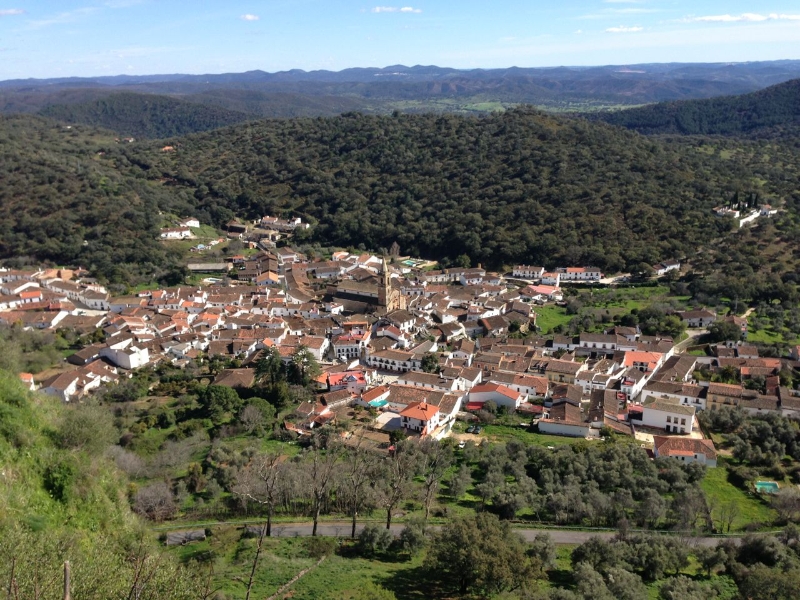
View of Alájar from la Peña de Arias Montano
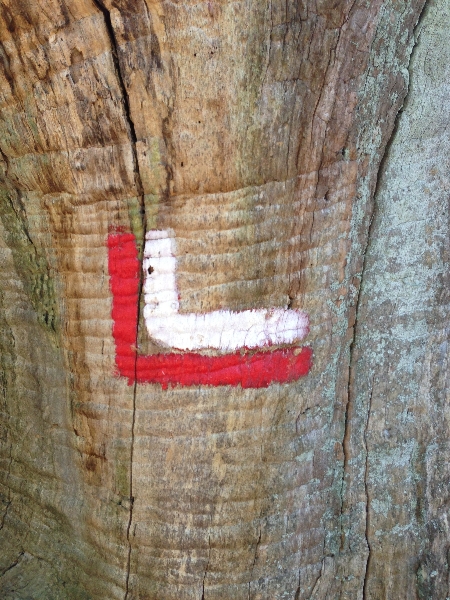
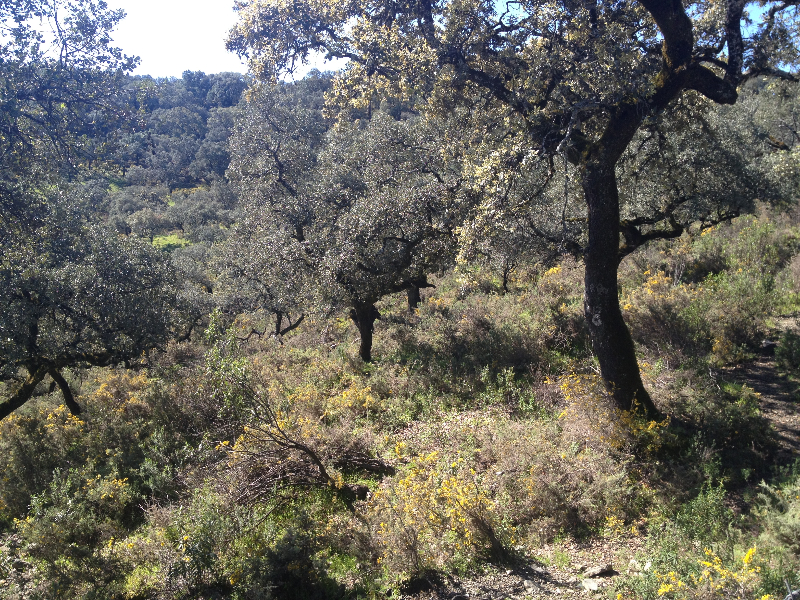
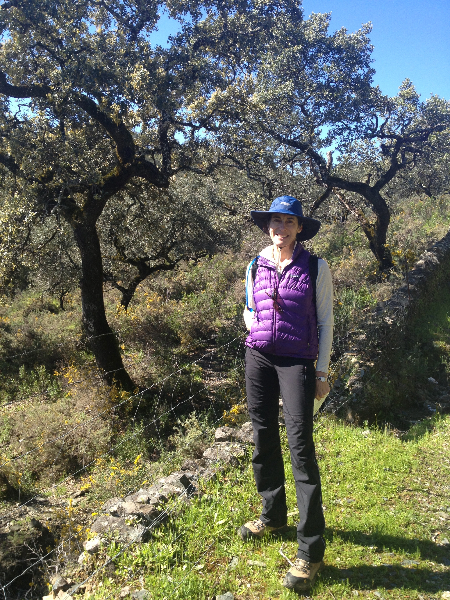
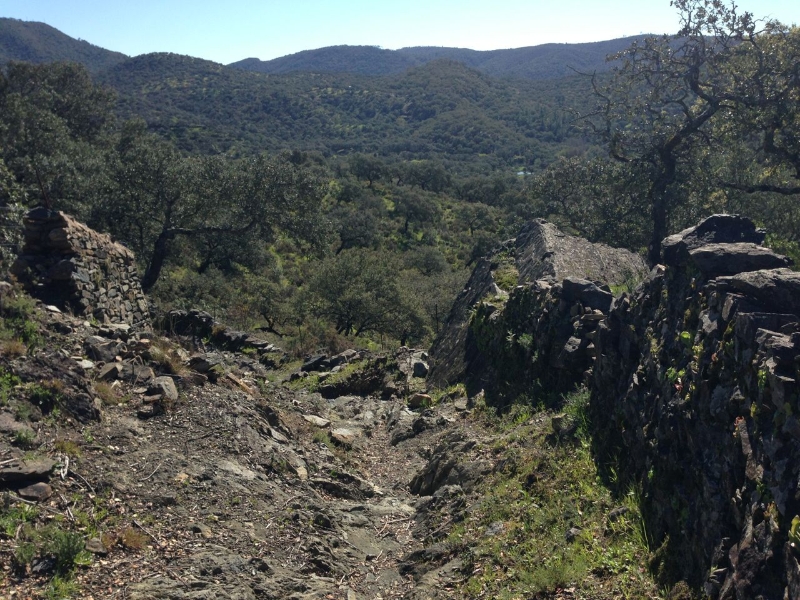
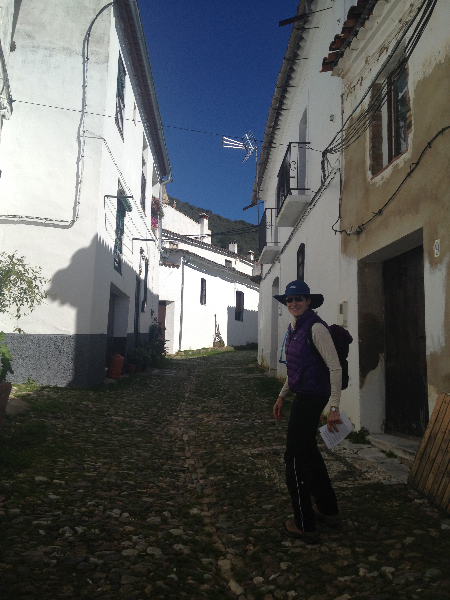
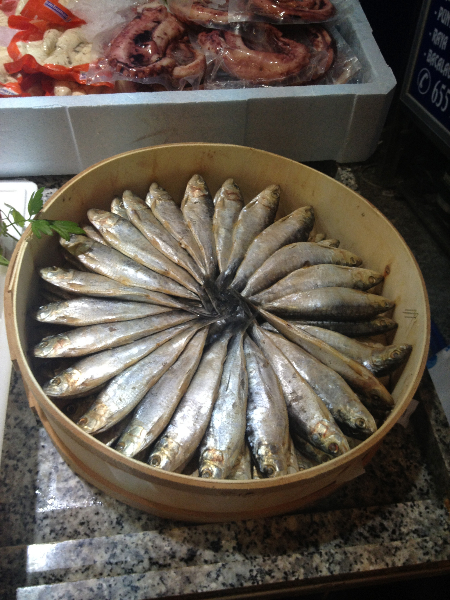
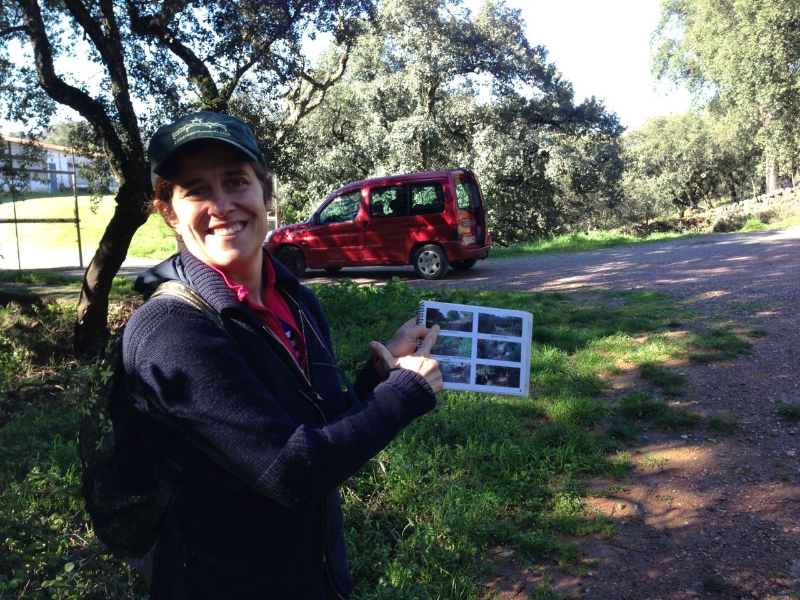
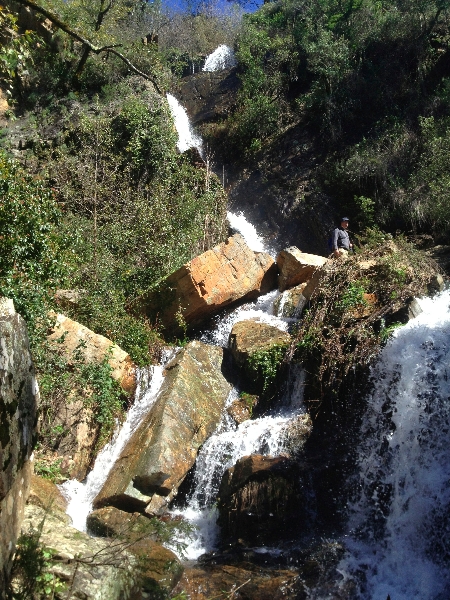
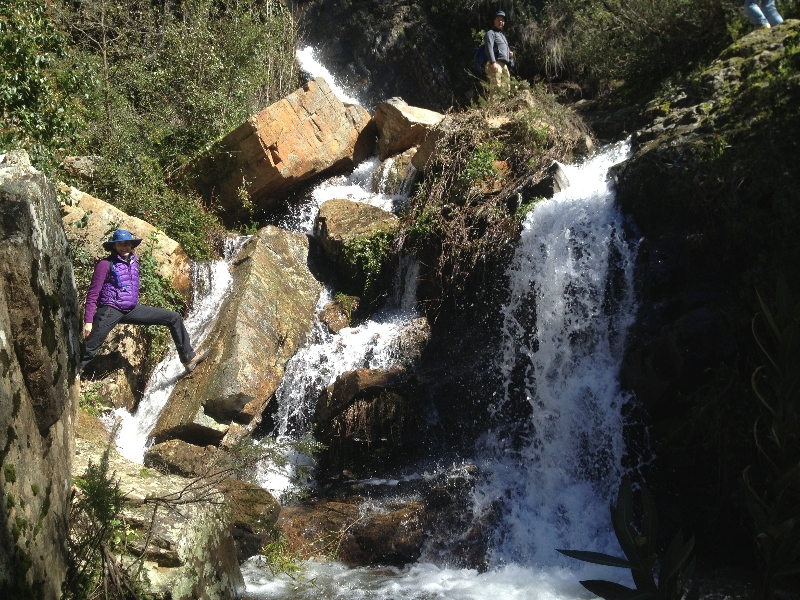
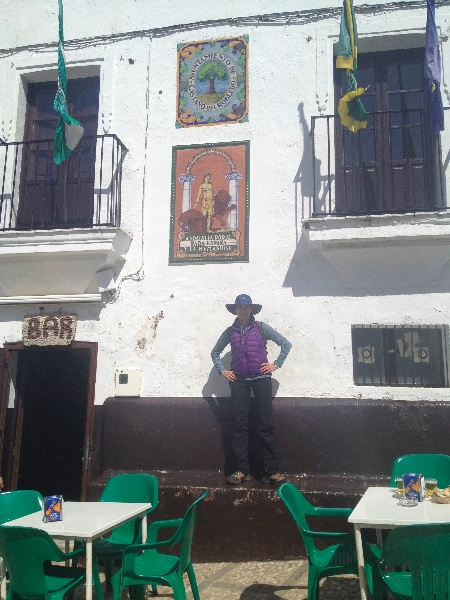
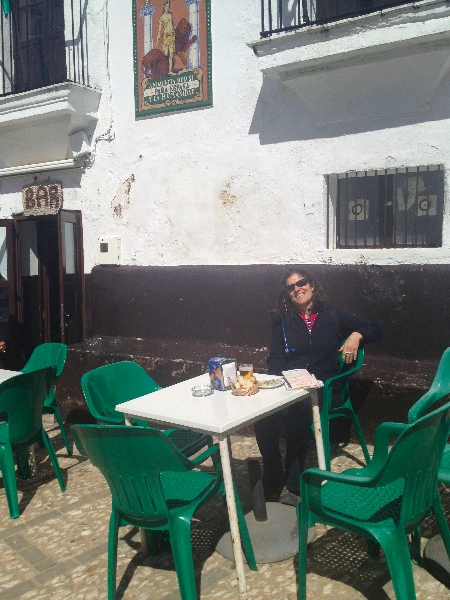
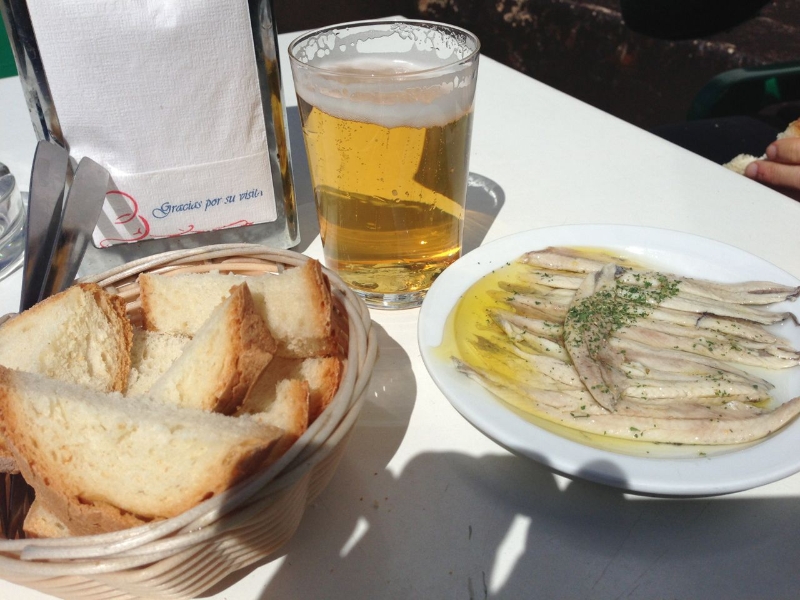
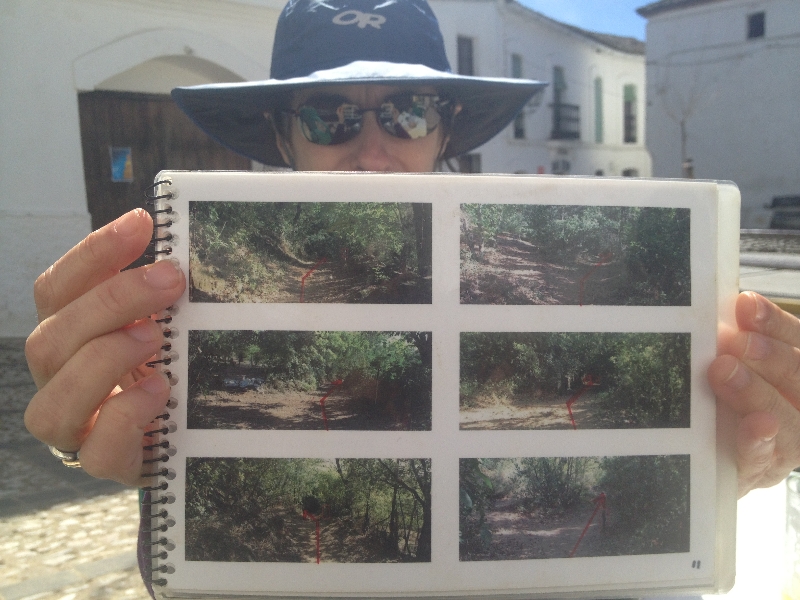
Today Jean and I walked for 11 miles from Alajar to Castana and back. The air was cool and breezy and the sky was cloudless – a perfect day for hiking. We used a picture book that our innkeeper prepared for us to find our way – a series of photos with arrows showing where to turn. Each picture looks the same as the one before it! We got lost and had to backtrack just once however, although we were a bit unsure for a nervous stretch toward the end of the day. We passed over swollen streams and past farms with delightful black pigs. We took a break by a lovely waterfall, and stopped for a beer and a plate of anchovies in a darling bar in the center of the town on Castana. On the way home we had a great view of Alájar from la Peña de Arias Montano.
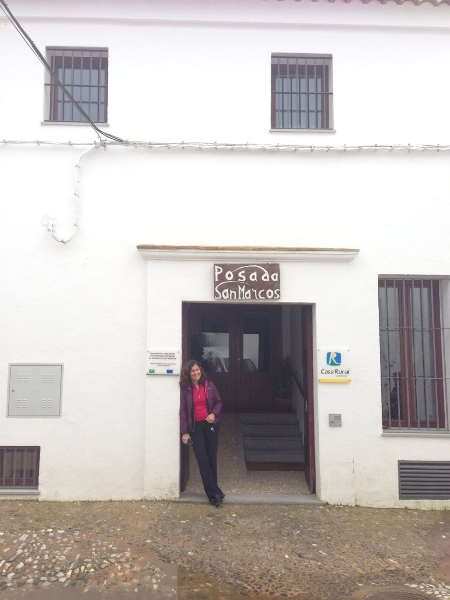
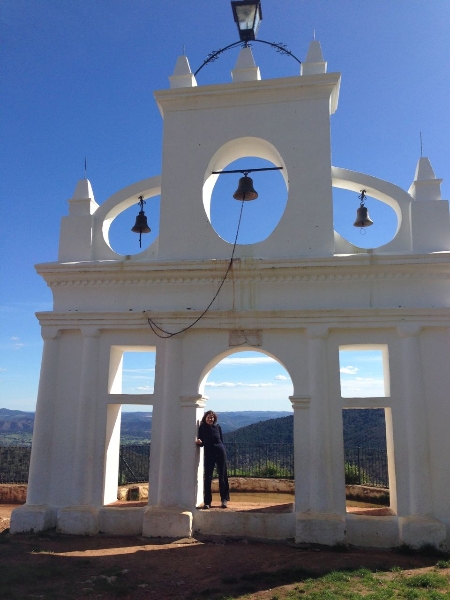
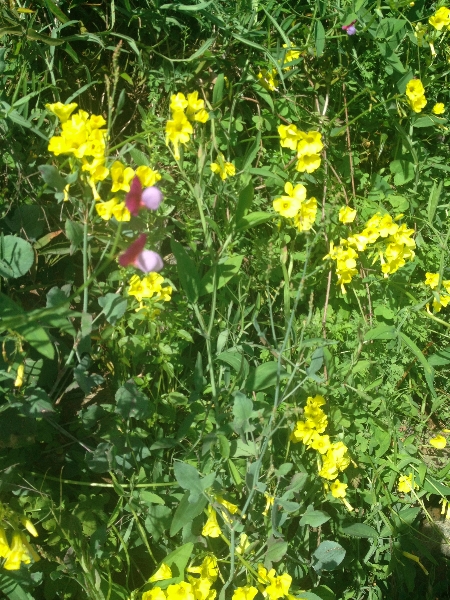
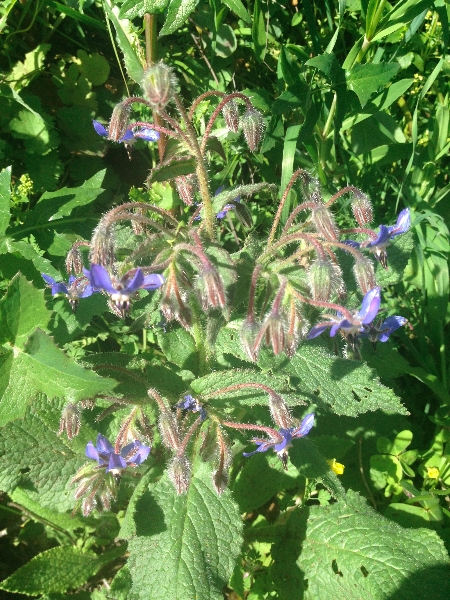
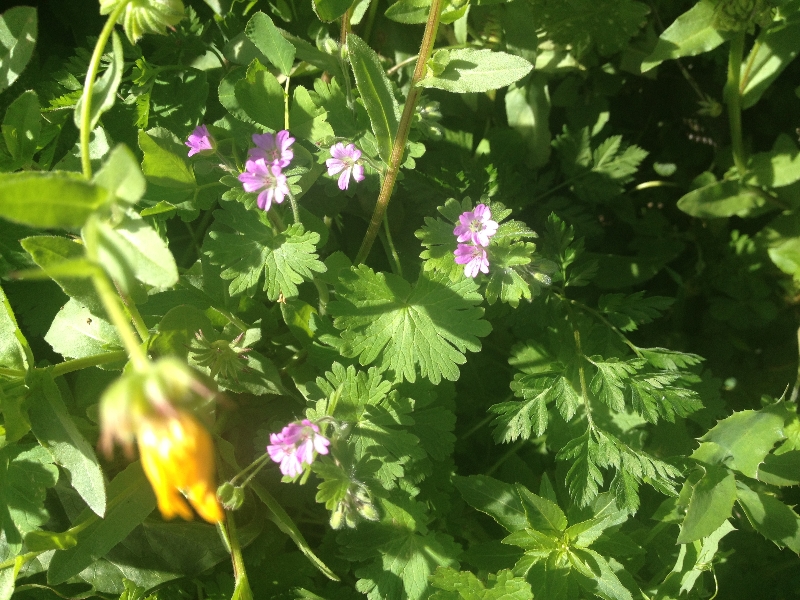
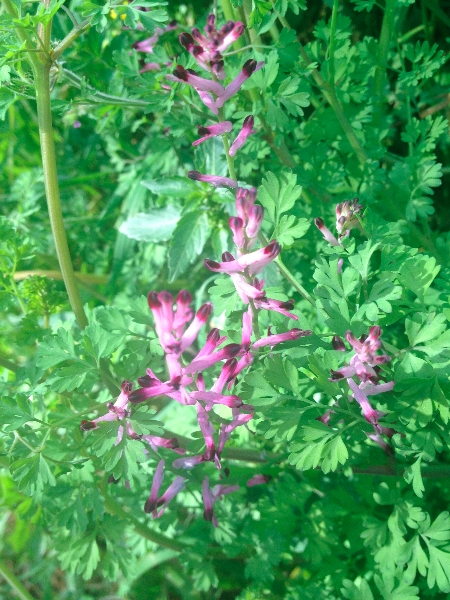
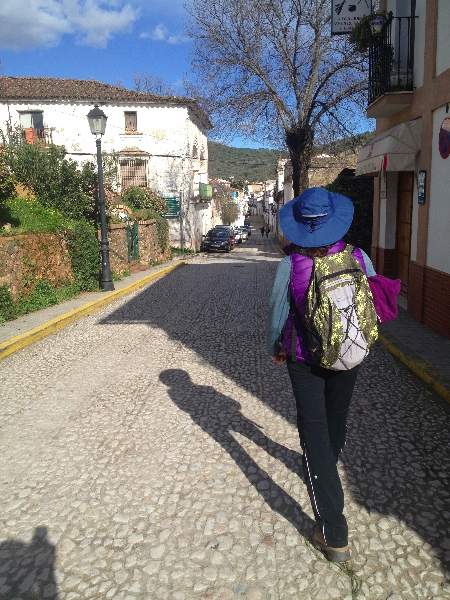
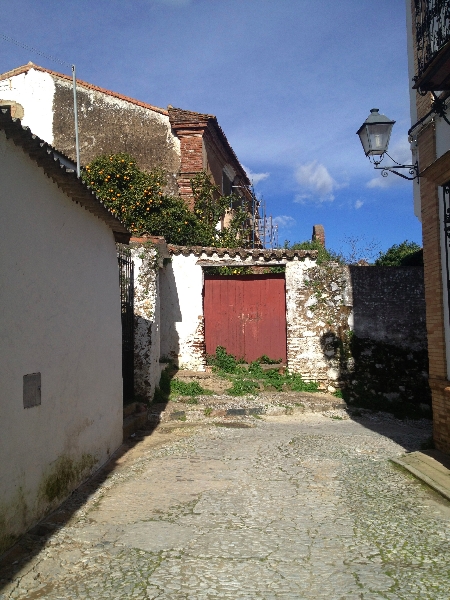
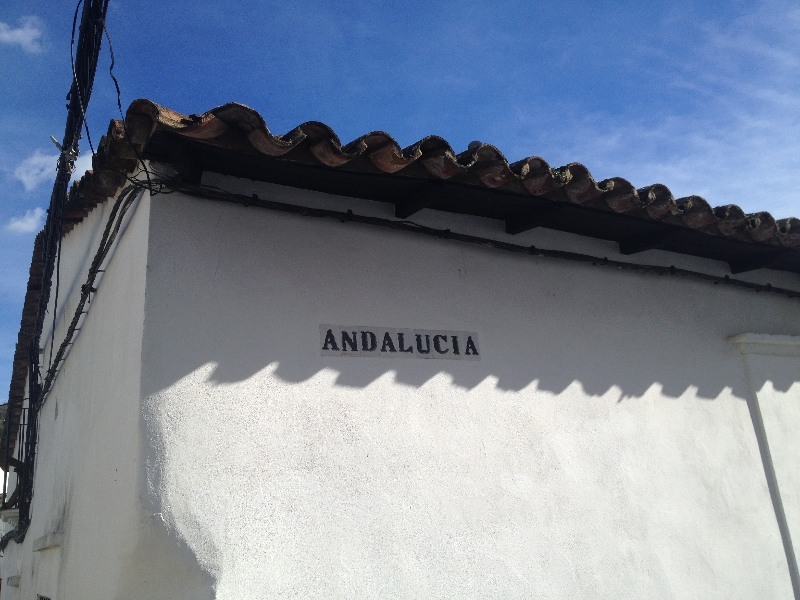
Seville and Alajar, Spain
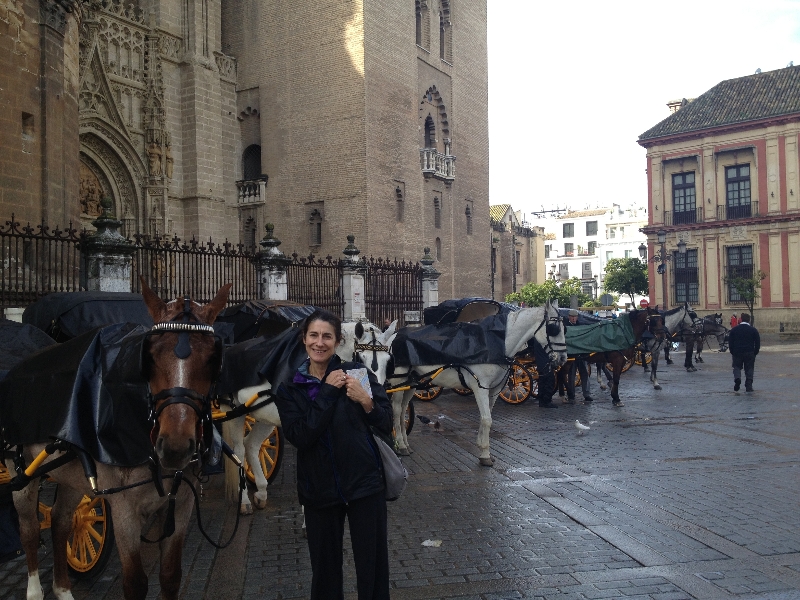
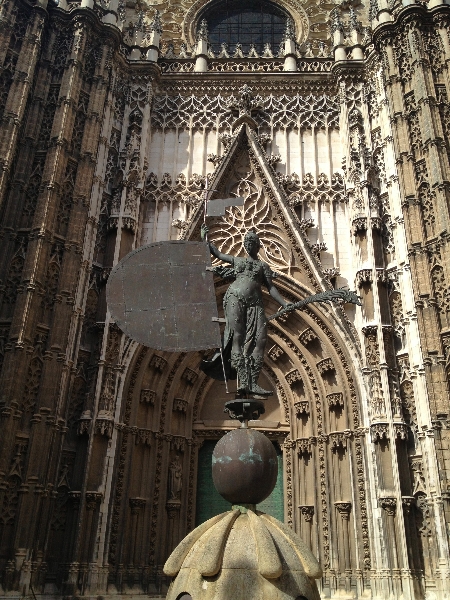
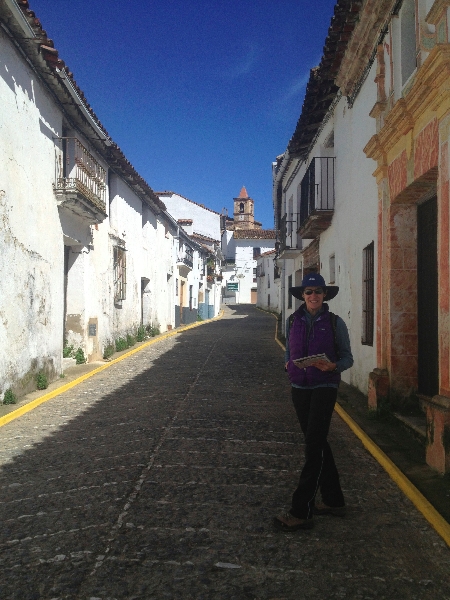
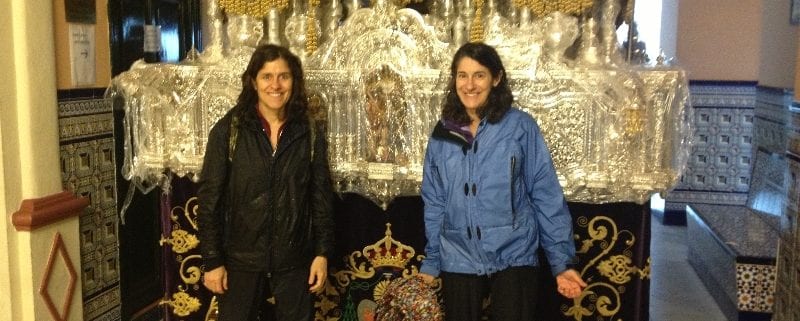
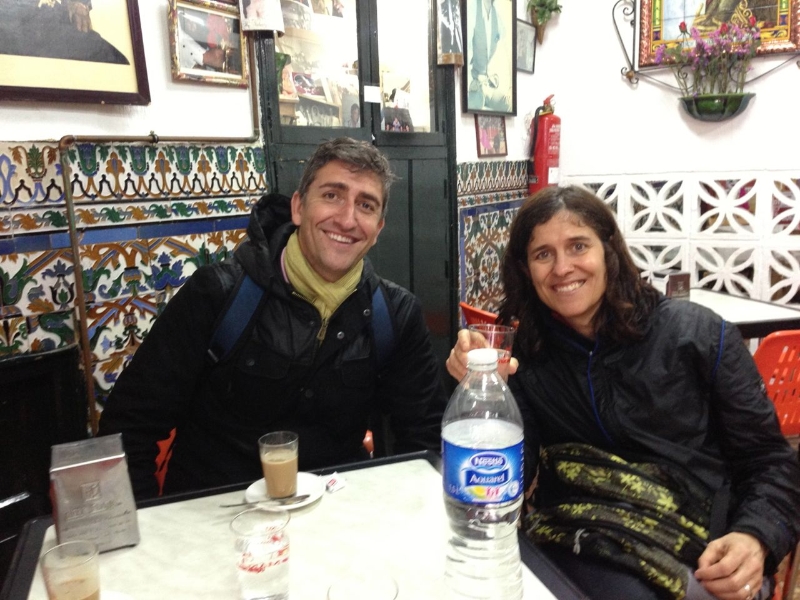
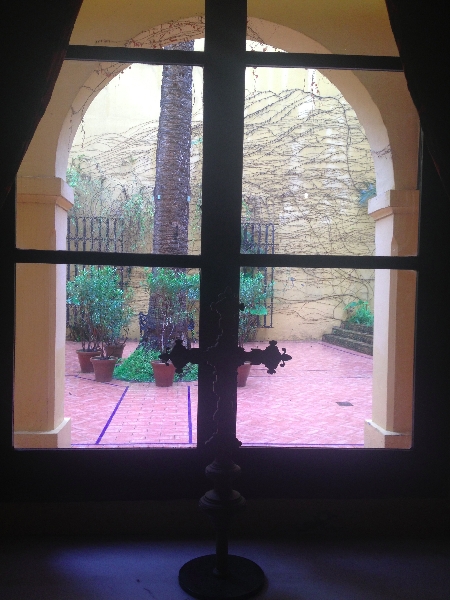
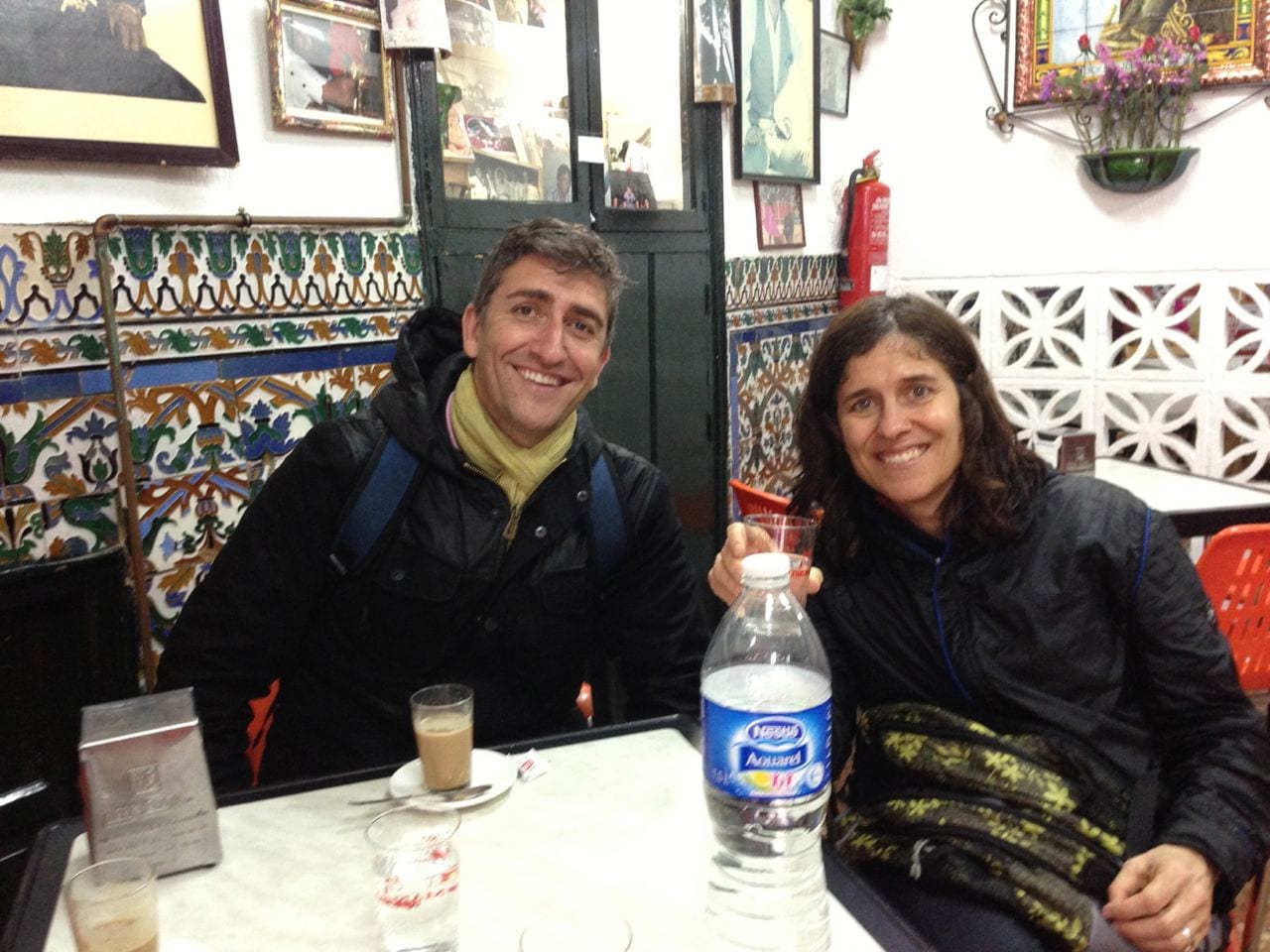 Today we toured Seville with Manny, our adorable British guide. He took us to private places that we would never have found. First he showed us what has to have been the original apartment complex, 77 small units surrounding a gorgeous central open space and garden. In Seville everyone likes to be outside but not everyone can afford a palace with a central courtyard, so these shared courtyard living spaces were developed. They are very difficult to get into these days. Next we visited a cathedral that was a great example of a Moorish mosque with a minaret that had been converted into a Catholic cathedral. The Muslims forbid the use of likeness, so all of their designs are elaborate and intricate patterns and geometries. Then along come the Catholics with all the angels, saints, virgins and Jesus, etc.
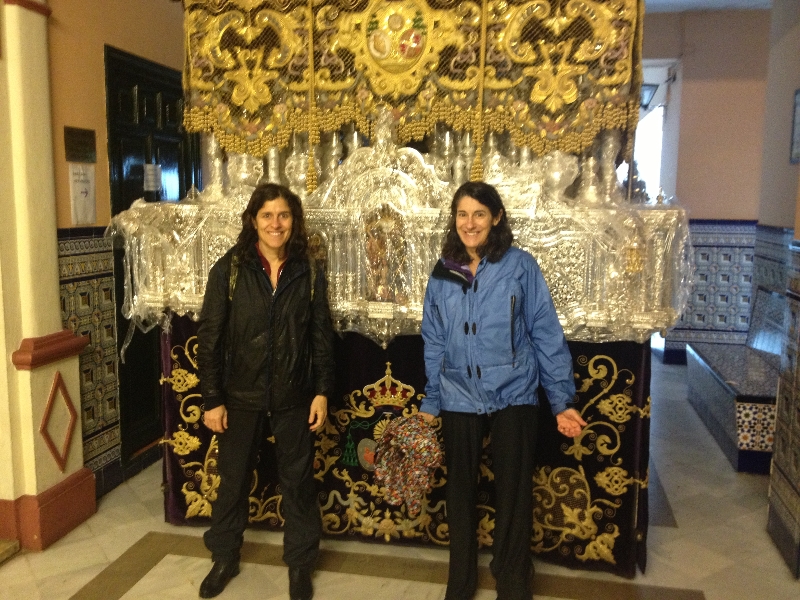
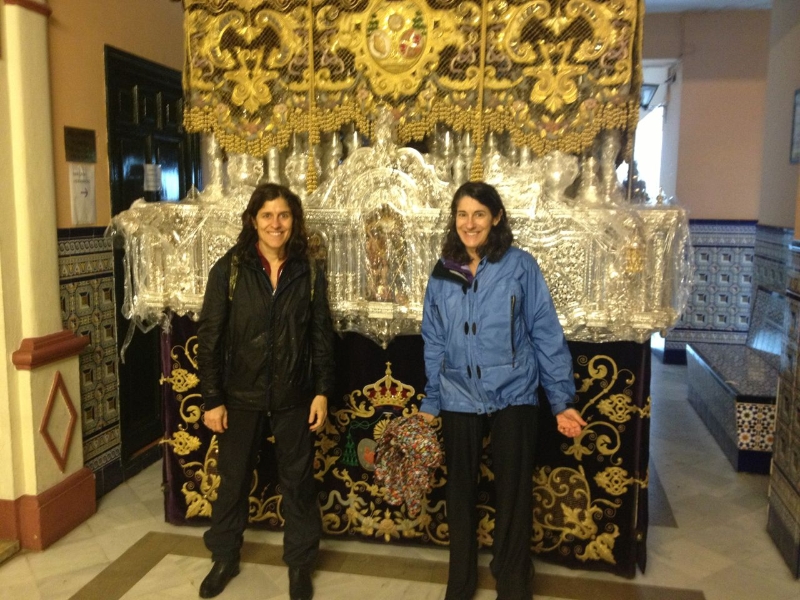
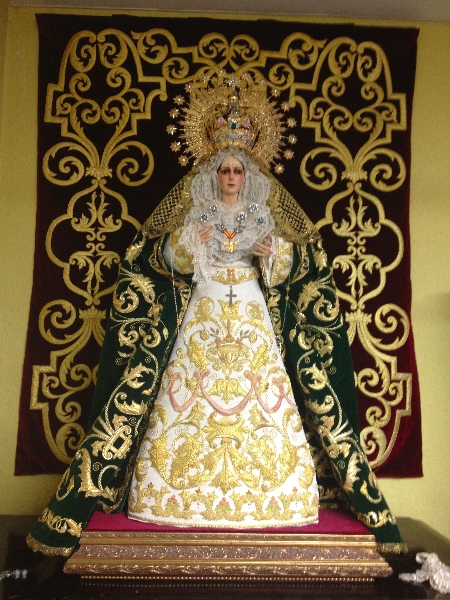
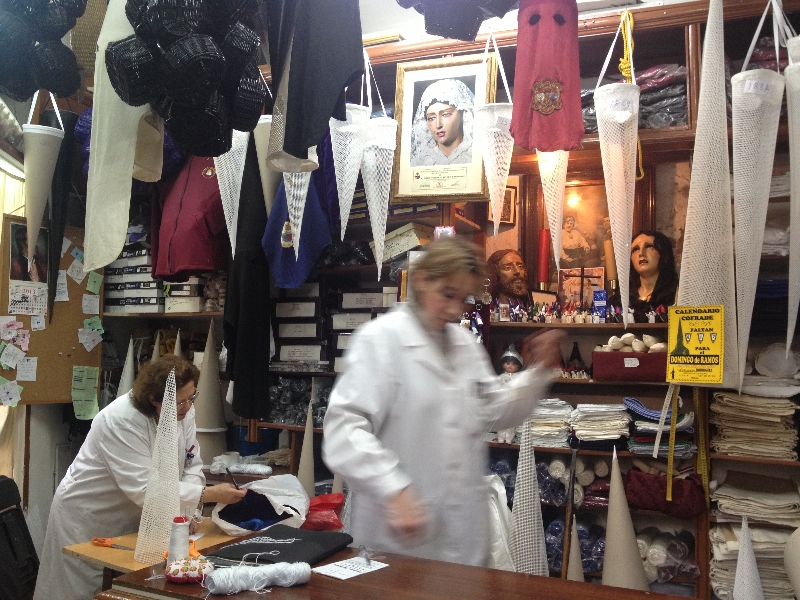
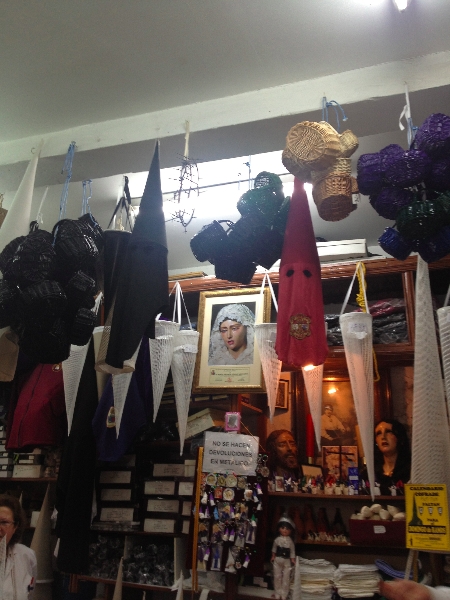
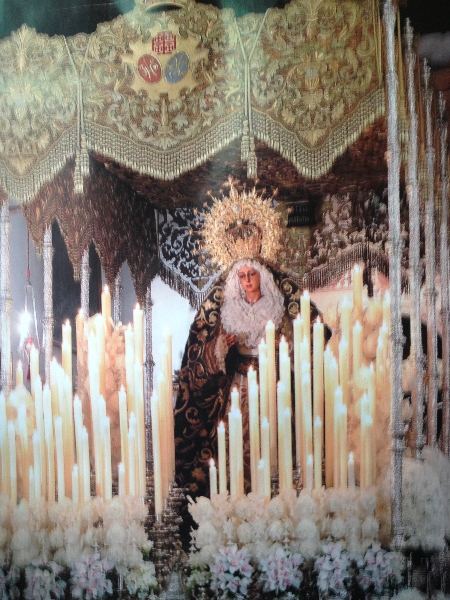
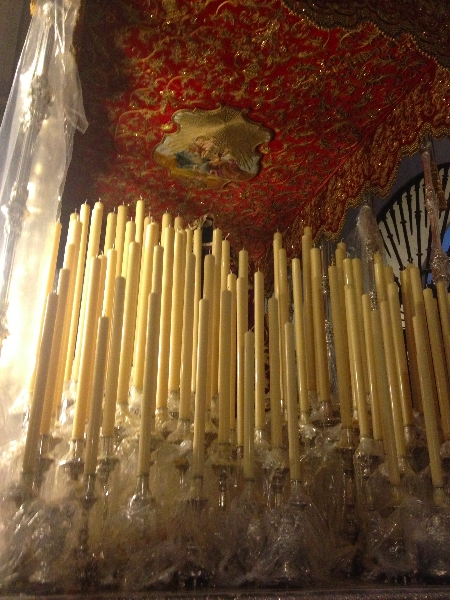
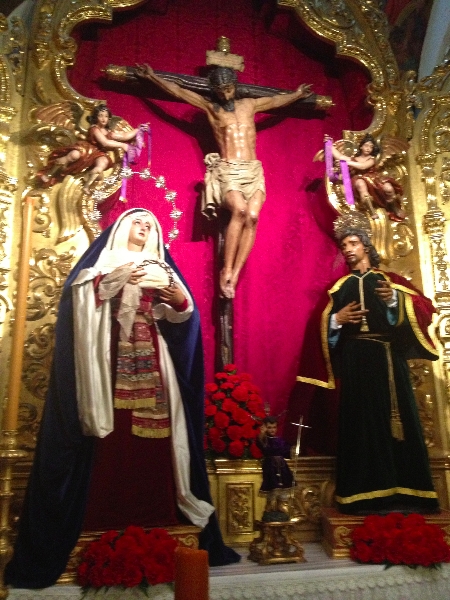
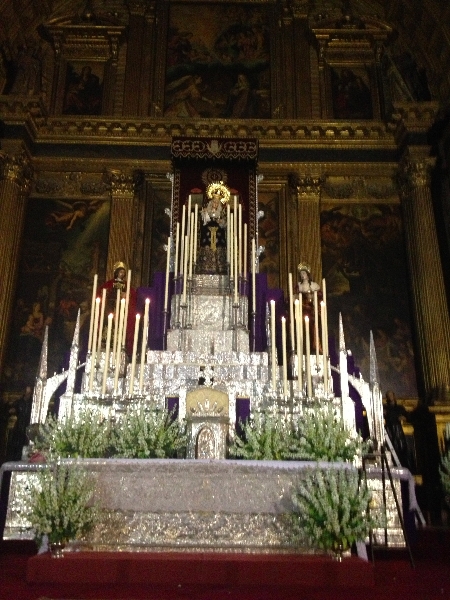
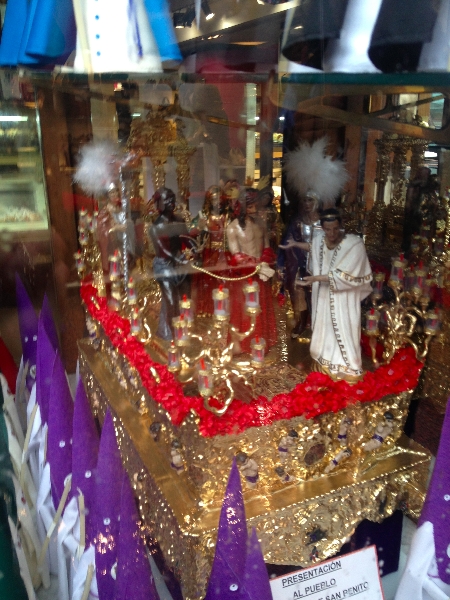
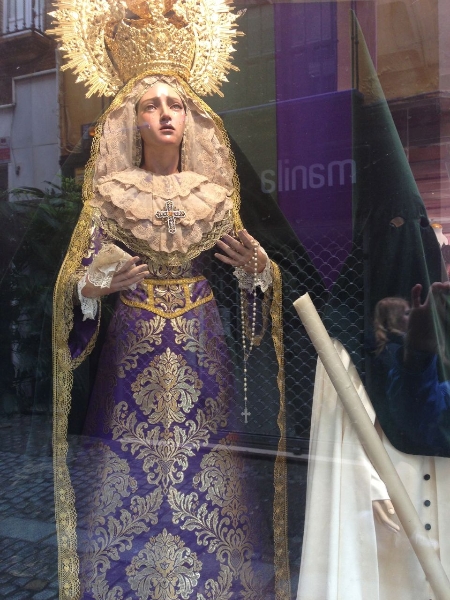
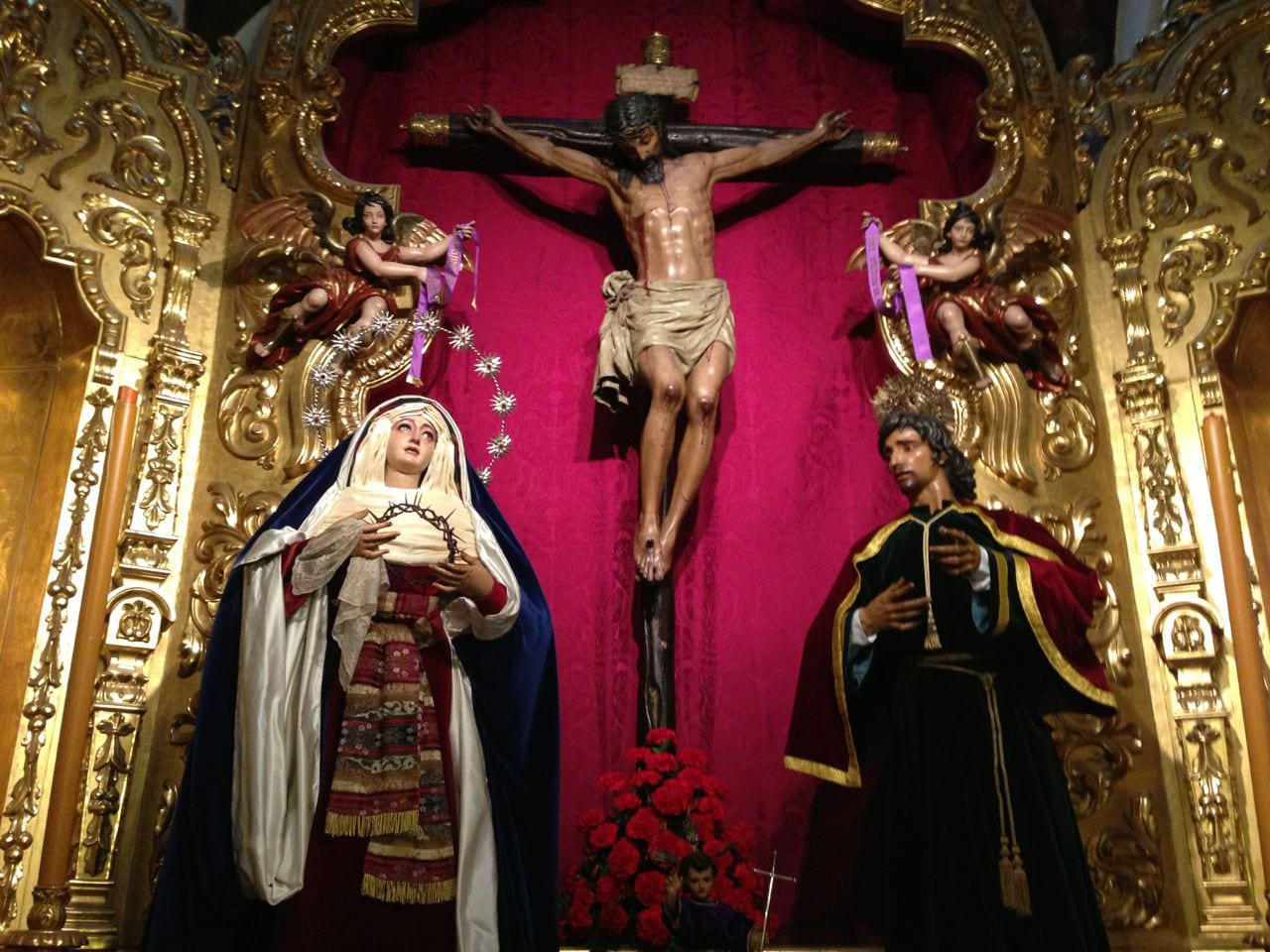 Manny explained how all the churches are getting ready for Easter, which is their biggest event of the year. Each church prepares their Madonnas to be paraded through the town on the backs of the men of the parish. Following behind the Madonnas are those giving thanks and they are all wearing KKK-style robes and hoods. The Madonnas are all priceless antiquities, and their biers are covered, decadently, with silver and gold. It is astonishing how elaborate and rococo these thrones are – considering how many are suffering in Spain with unemployment at 36%…
We were able to view several of the biers being readied, and we chanced upon two women decorating trains and ornaments with silver and gold thread. We also saw the shop where the robes and hoods were made.
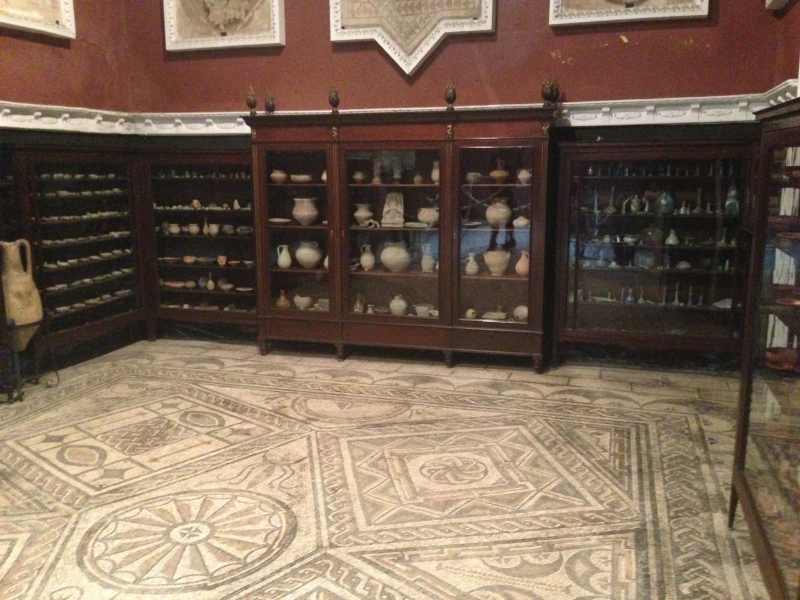
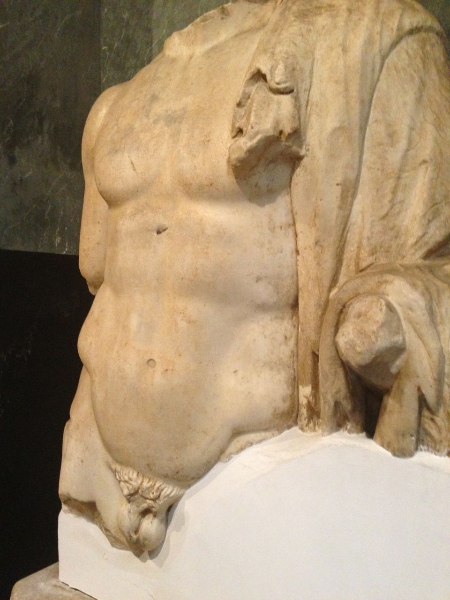
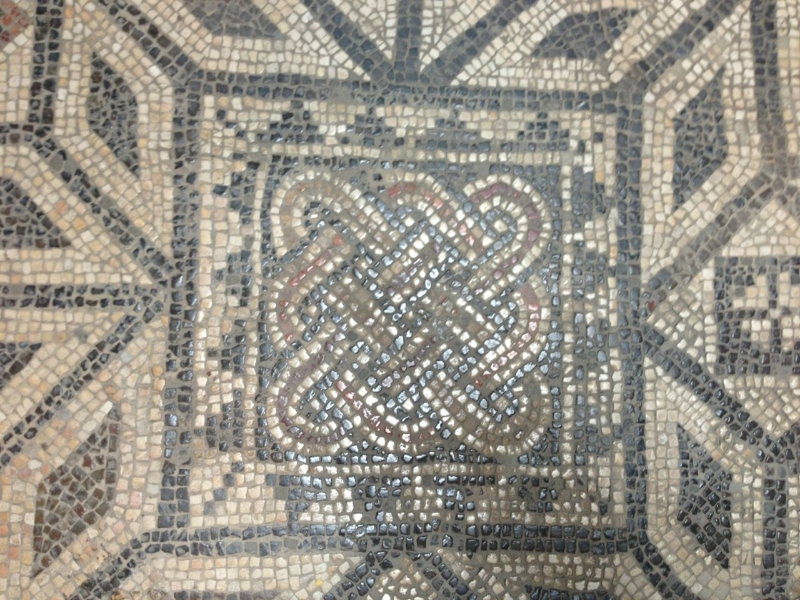
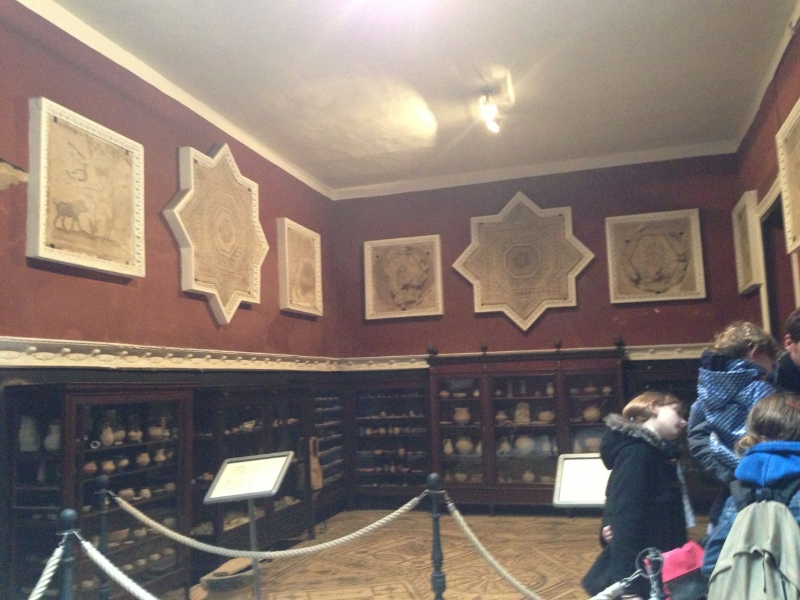
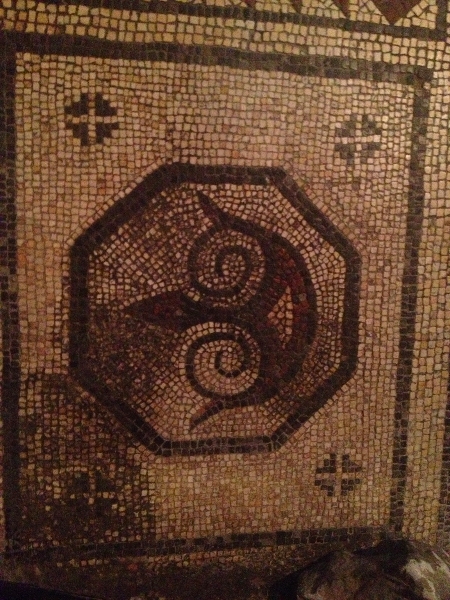
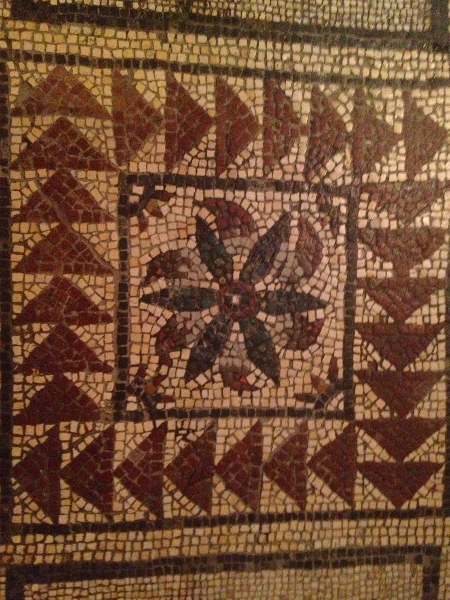
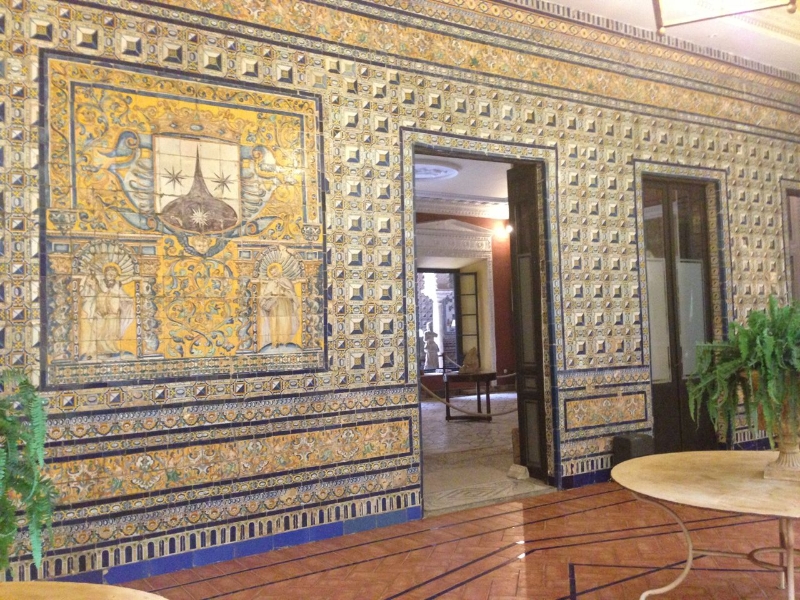
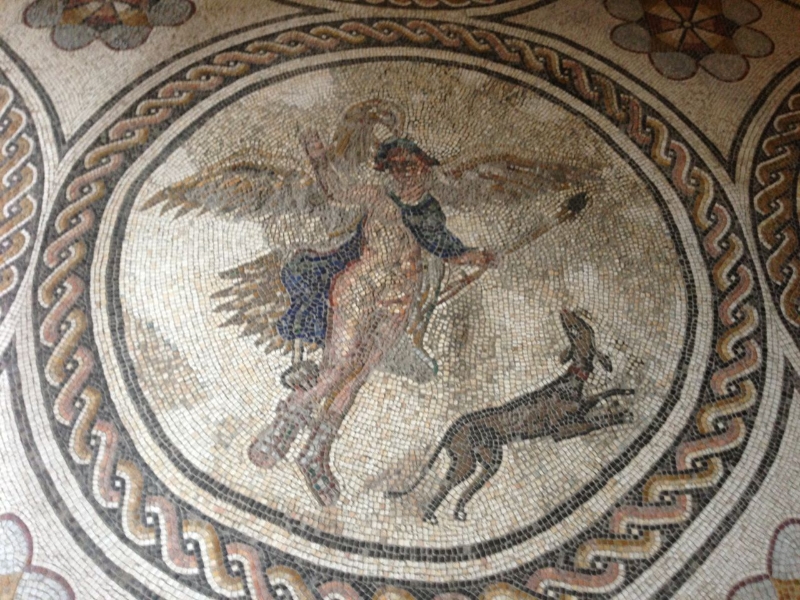
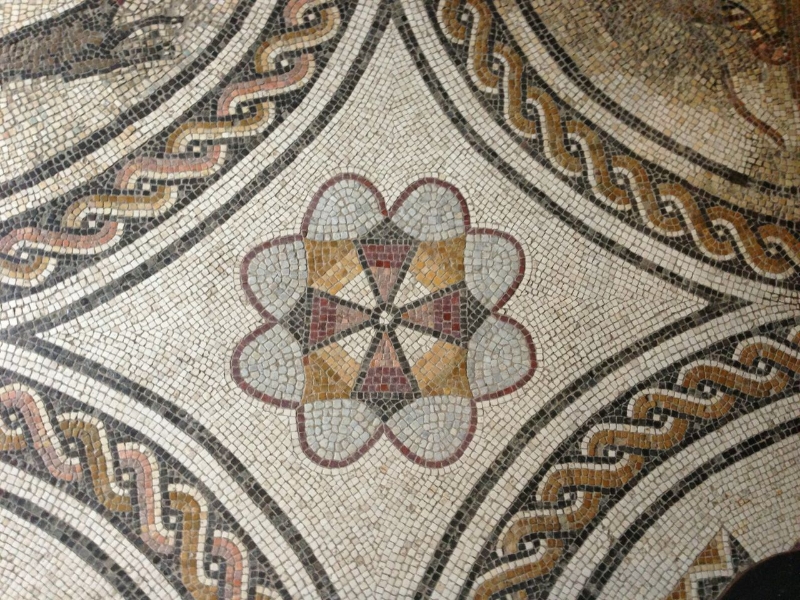
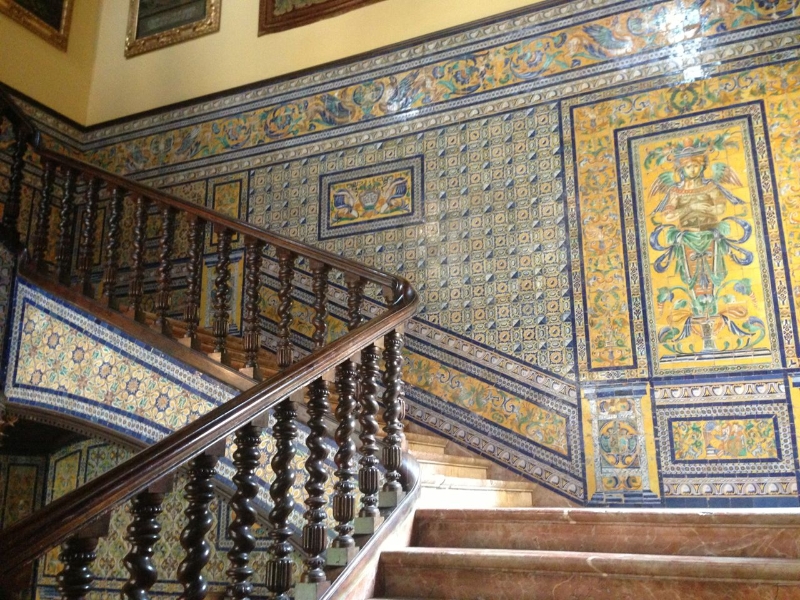
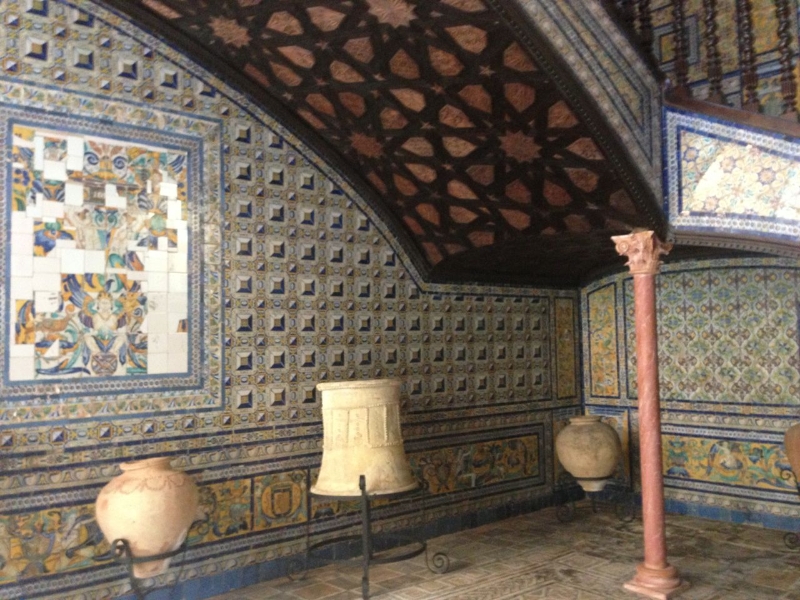
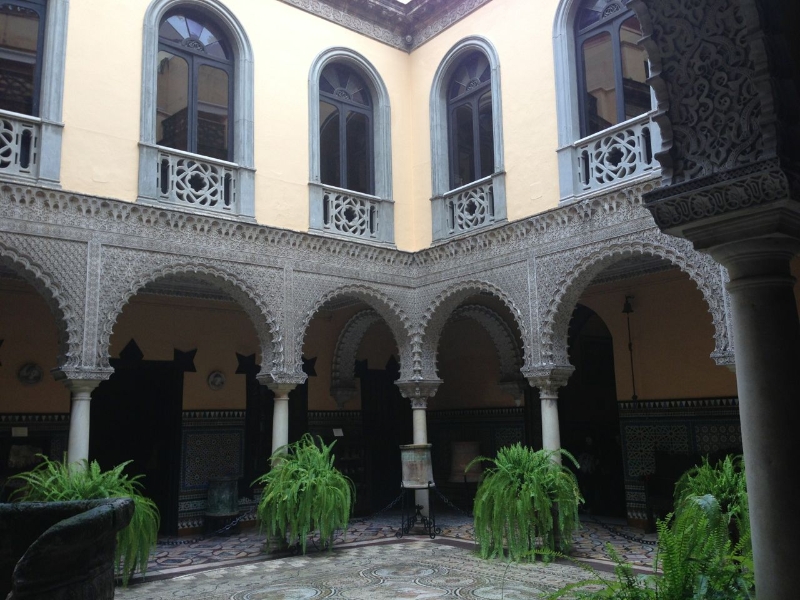
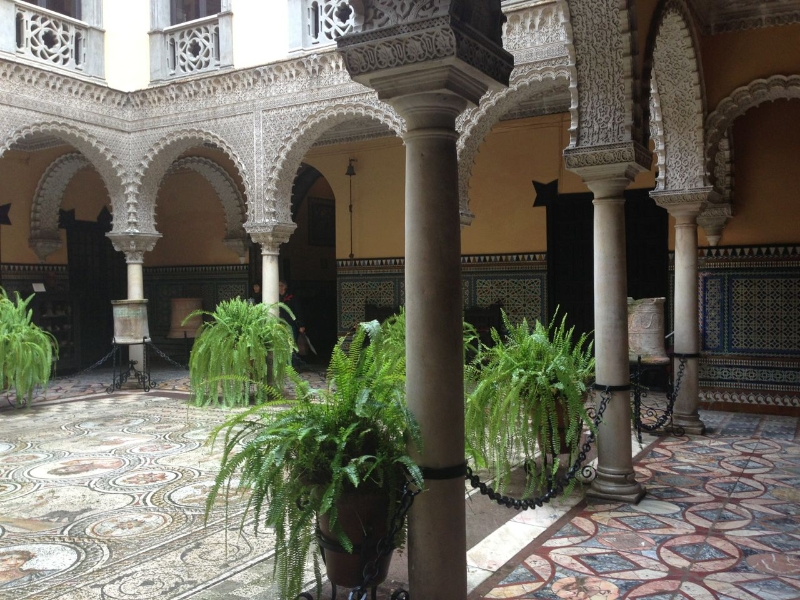
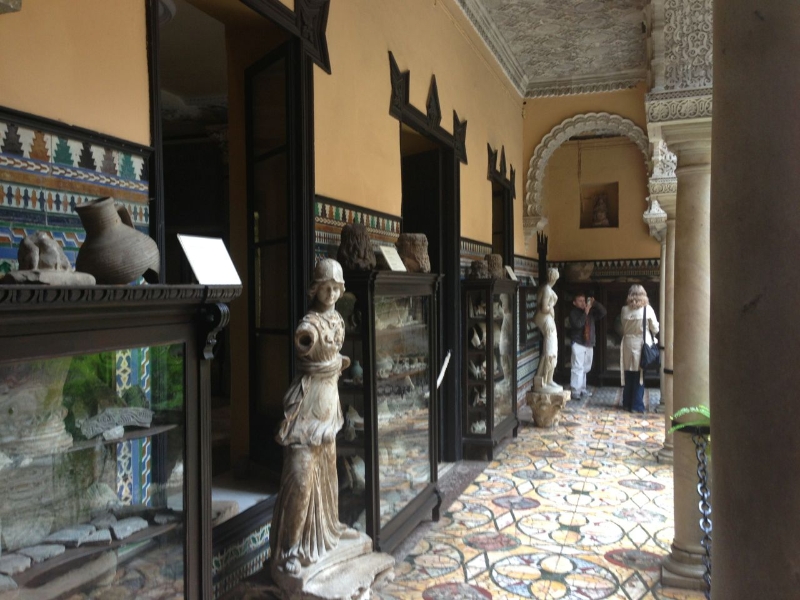
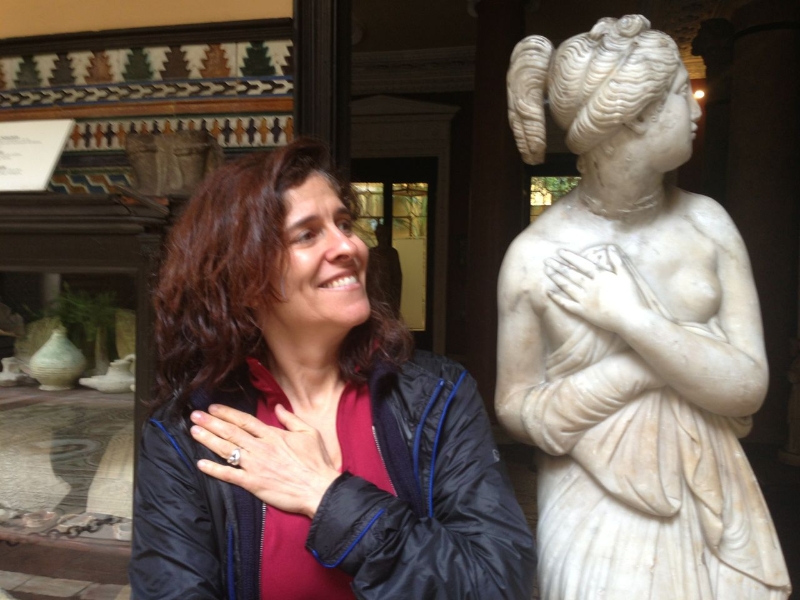
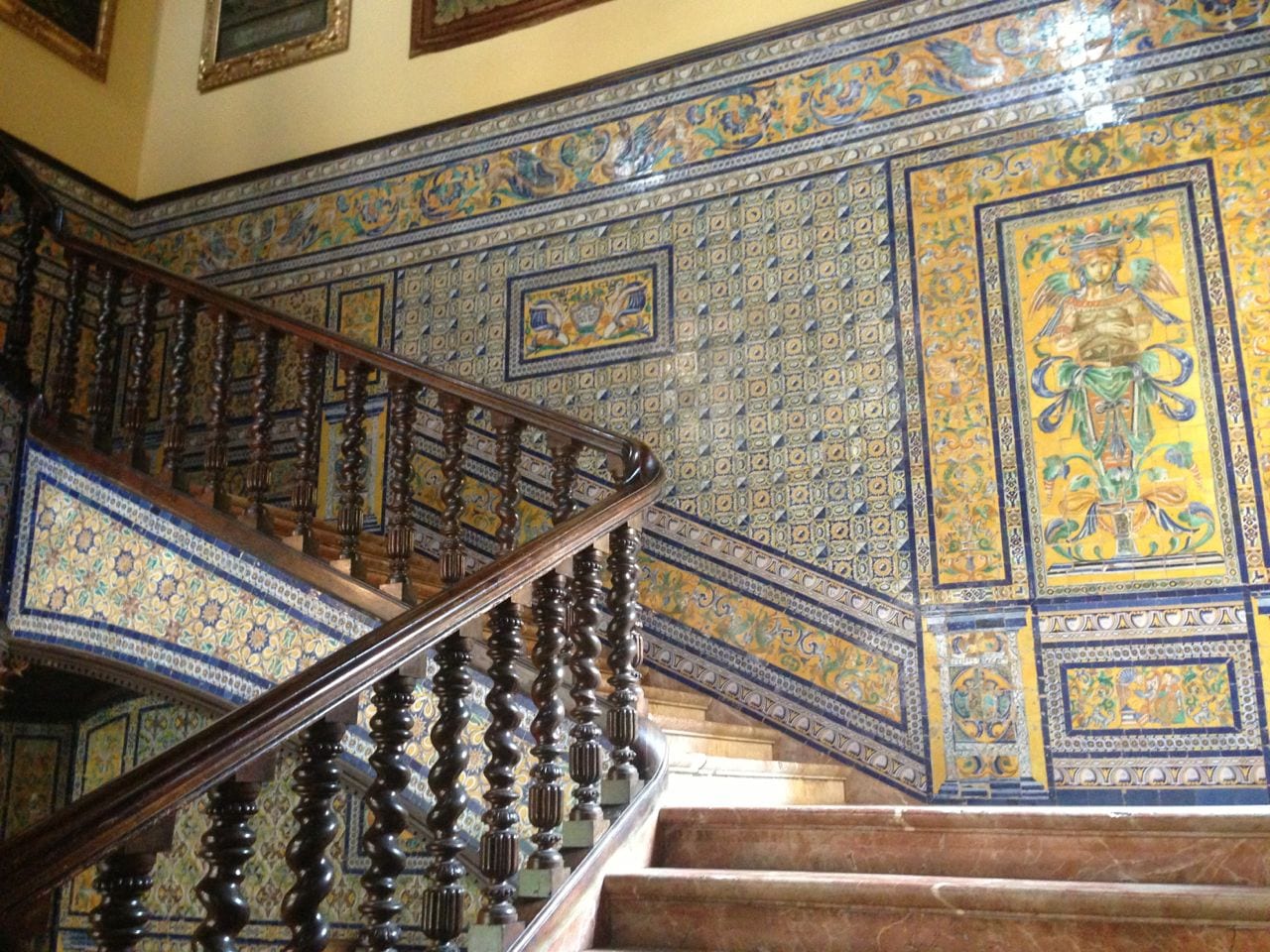 One of our favorites visits was to the Museo Palacio de la Condesa de Lebrija. The palace is considered the “best paved house-palace in Europe ” owing to its collection of roman mosaics, which paved practically the whole of the ground floor. There is also a collection of well parapets, vases, amphora, columns and sculptures of incalculable worth.
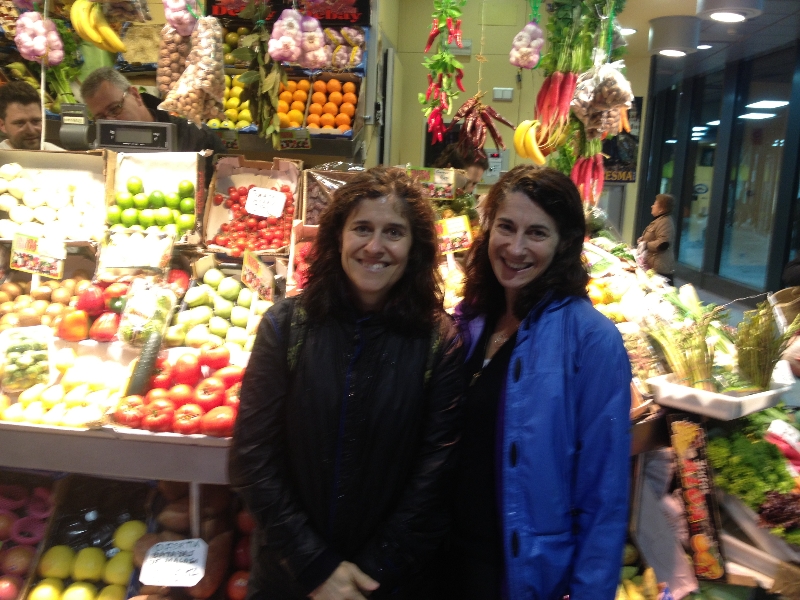
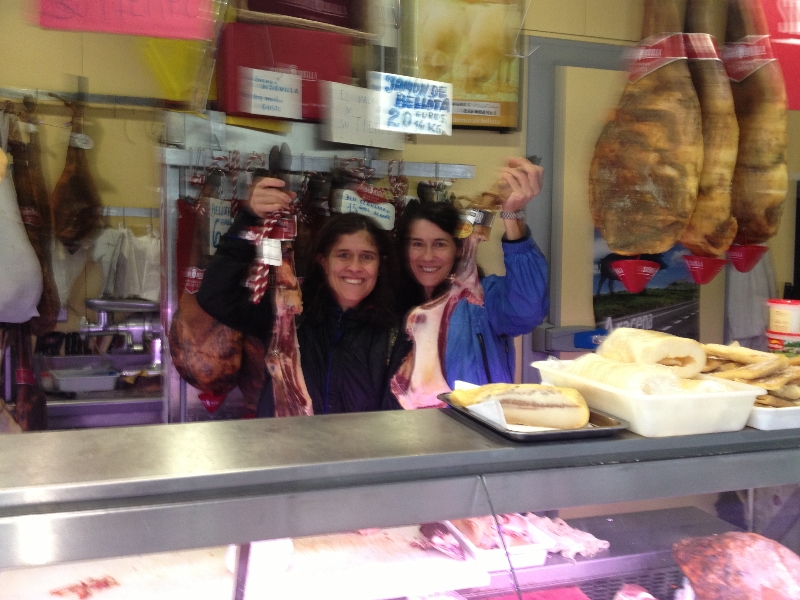
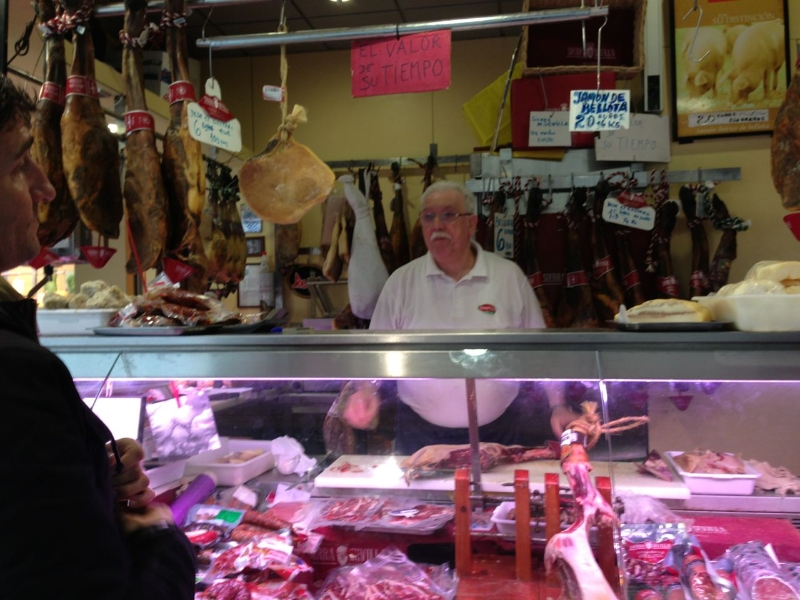
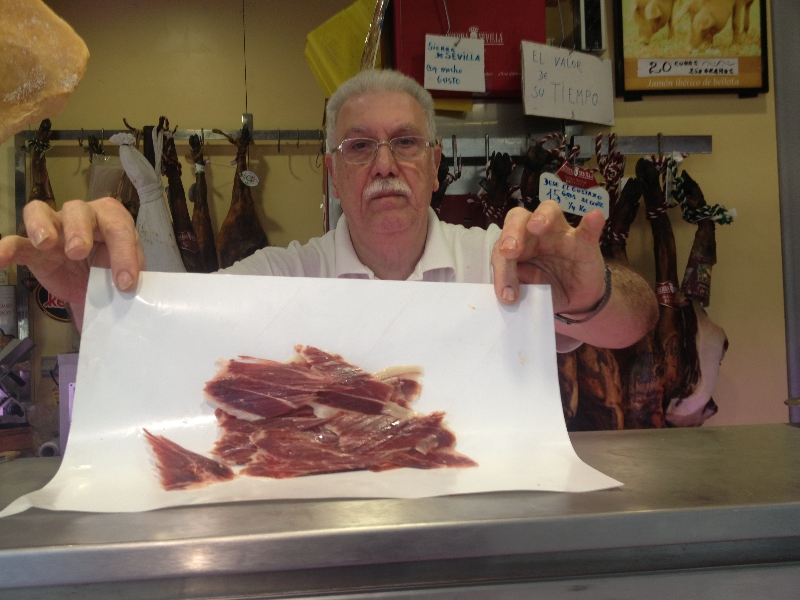
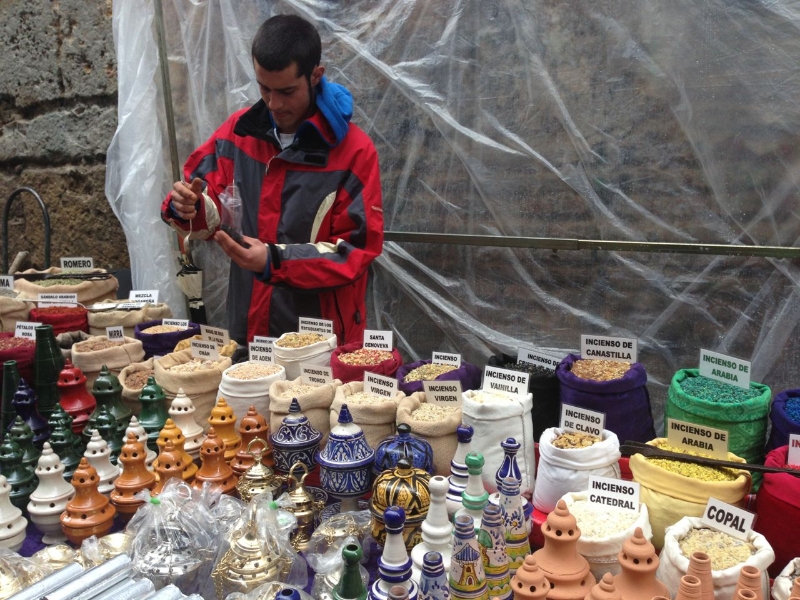
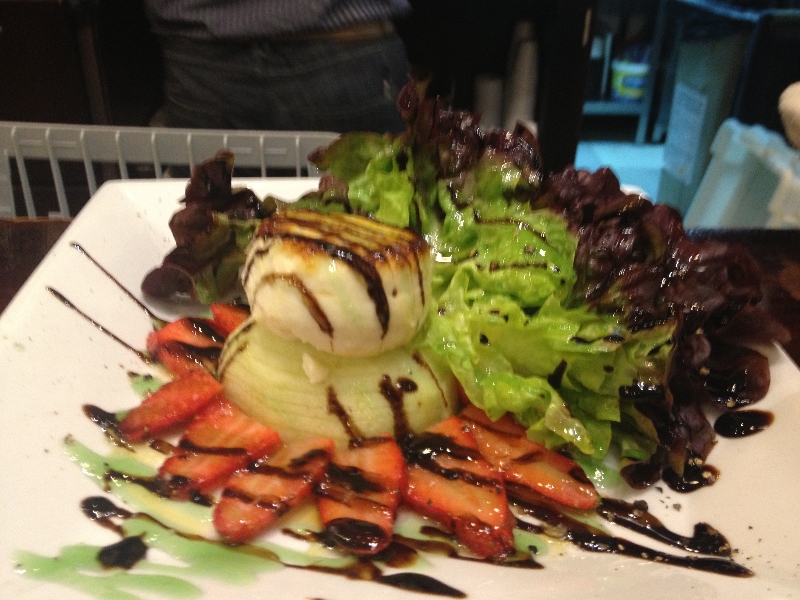
We went to the Metropol Parasol (the world’s largest wooden structure) and visited the adjacent food market where we were treated to Jamon Iberico Bellota, which is a prosciutto-like meat that is really delicious. 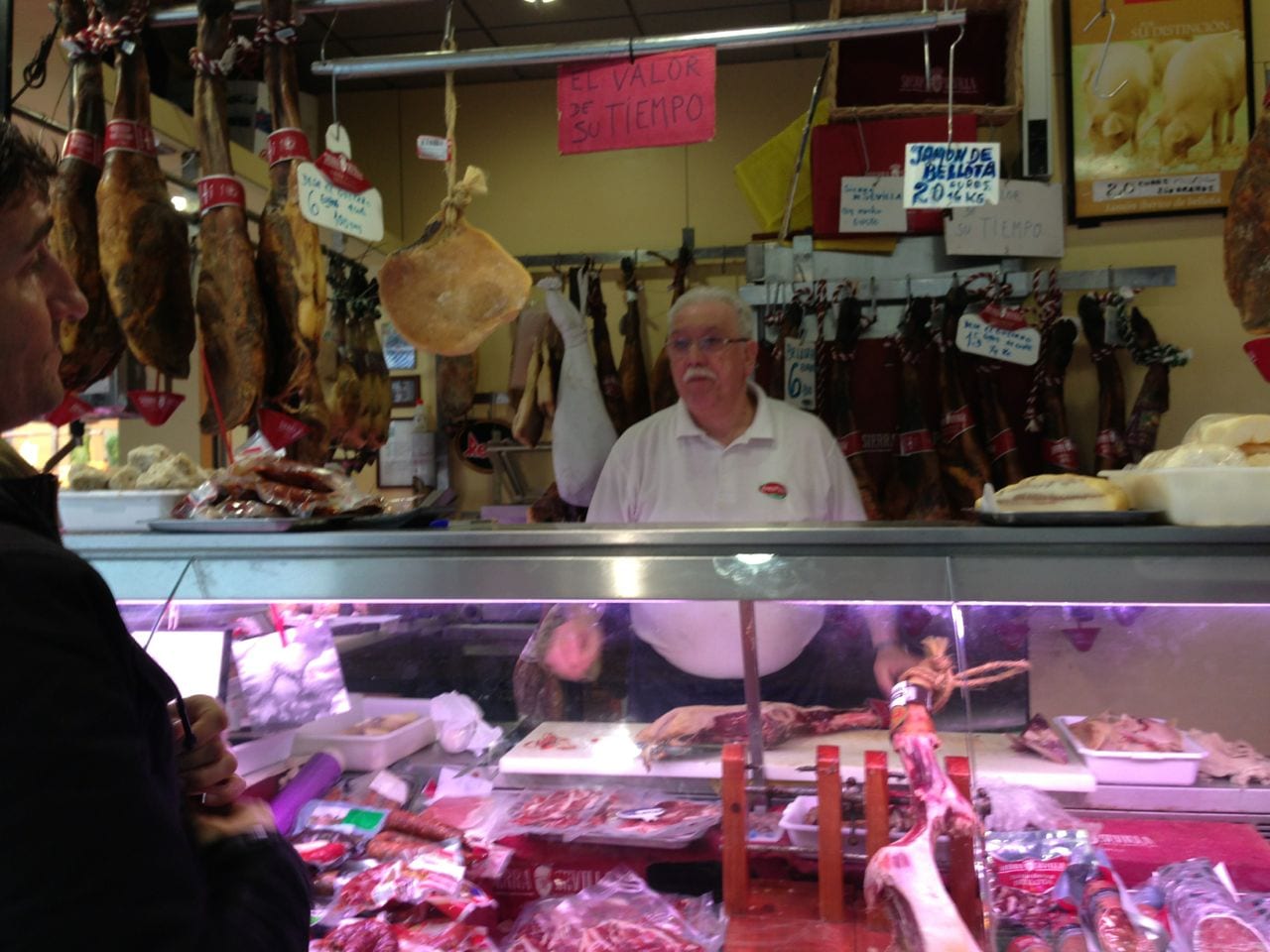 We went to Bar Europa for tapas and enjoyed the local wine: chilled dry white sherry. So good.
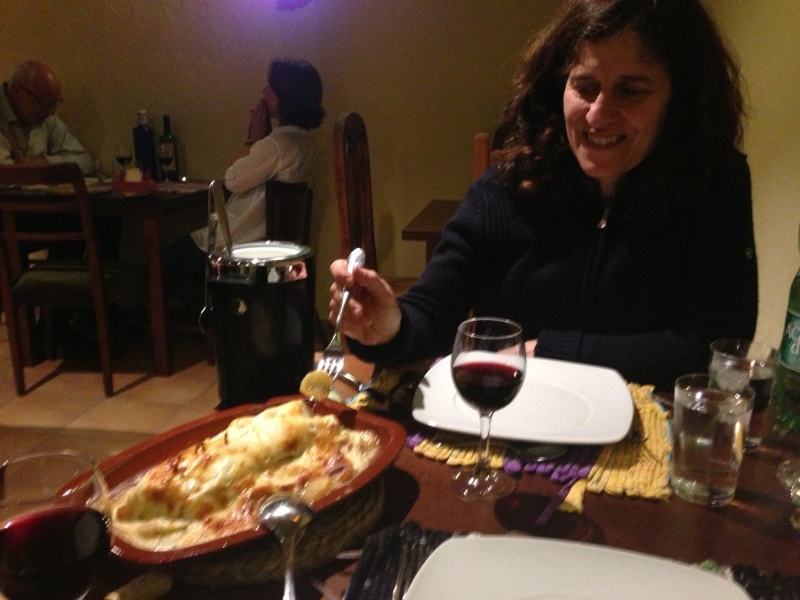
After our tour of Seville, Manny drove us up into the mountains to the Hotel Pasada San Marcos where we will stay the next two nights. Tomorrow we begin our hiking. The weather has been cold and rainy but it promised to be warmer and dryer tomorrow.
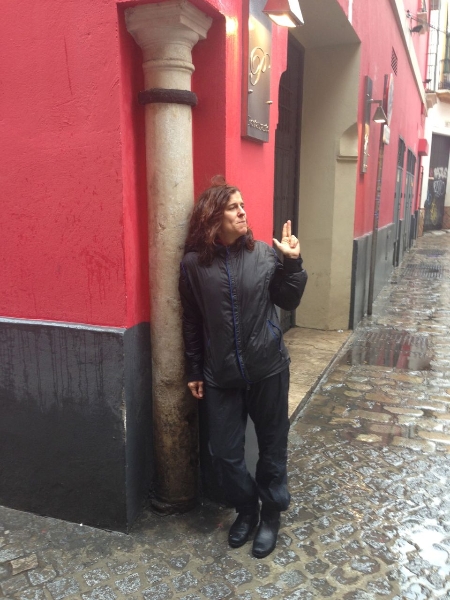
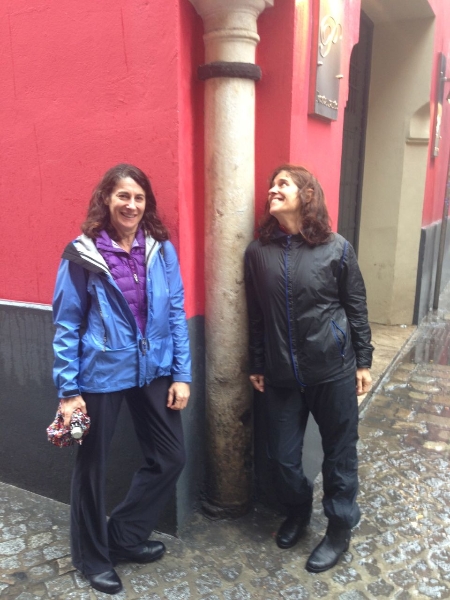
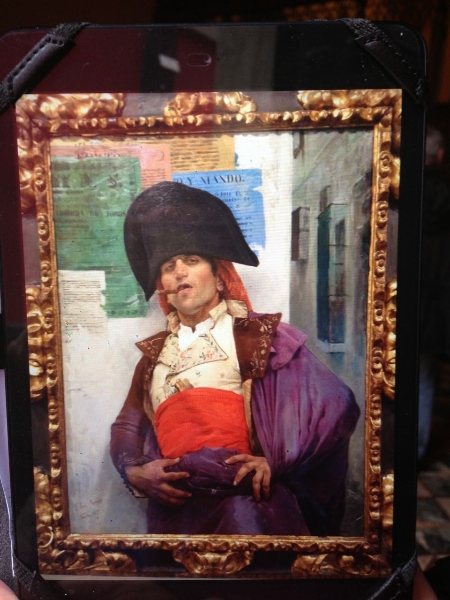
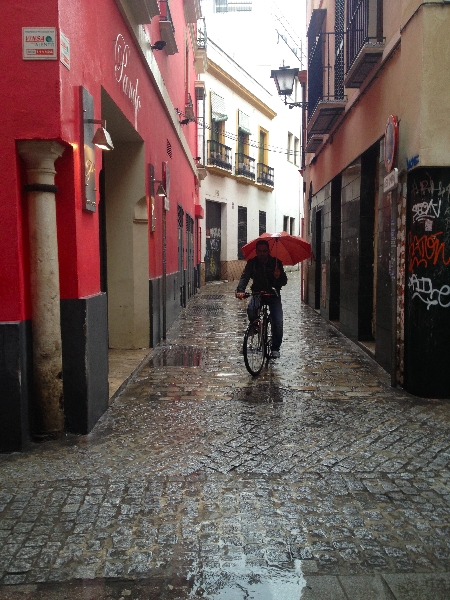
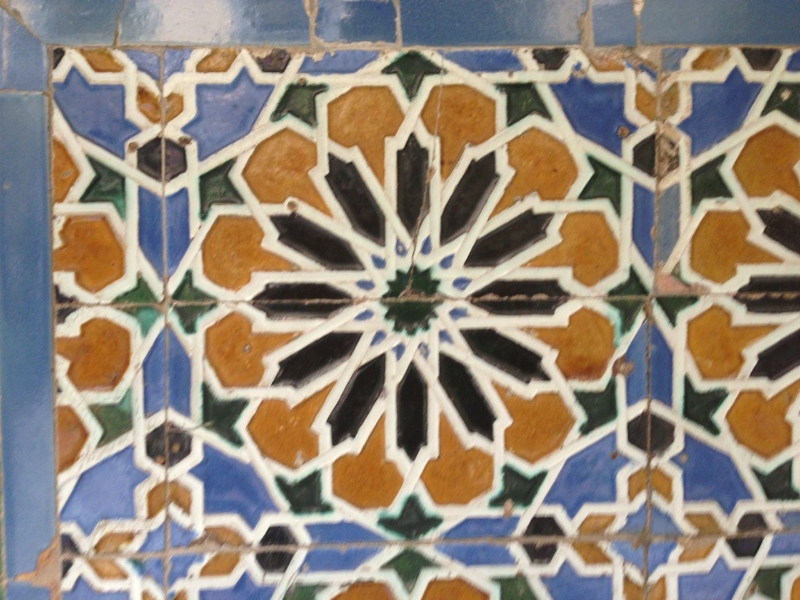
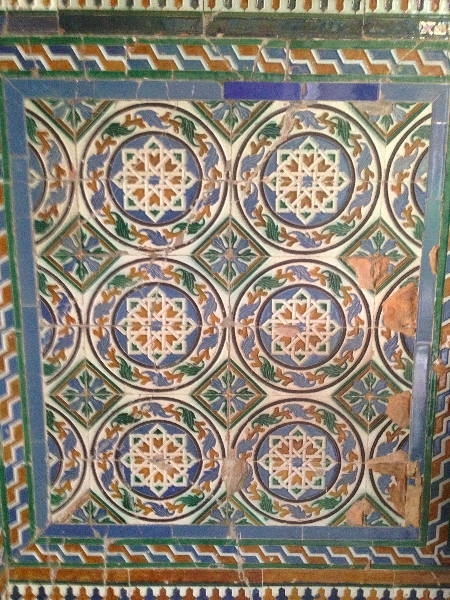
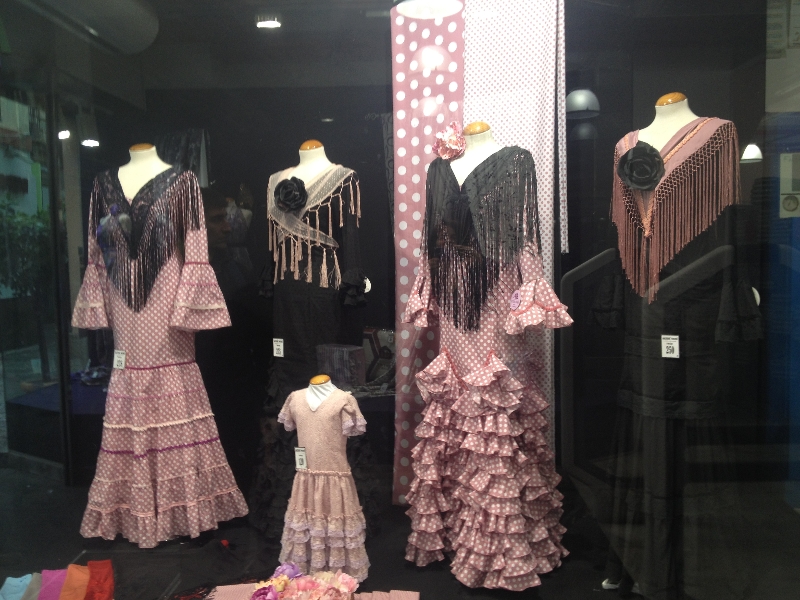
Seville, Spain
Today we arrived from Boston into Madrid airport and caught a plane to
Seville. We arrived at our hotel, Palacio de Villapanes, by 1pm.
Gorgeous place with Moorish courtyards and inlaid wood floors right in
the heart of the city. Immediately began walking about the town. A
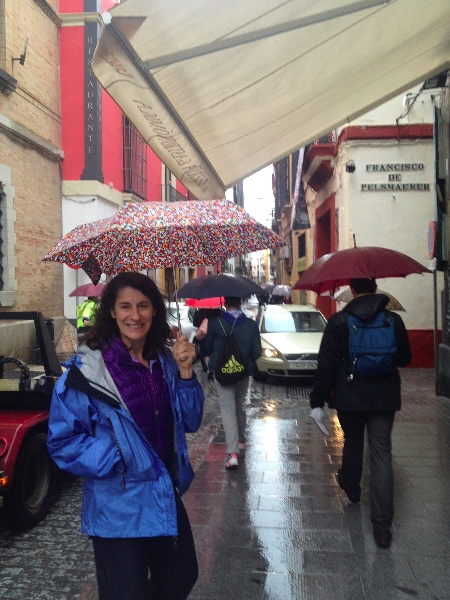
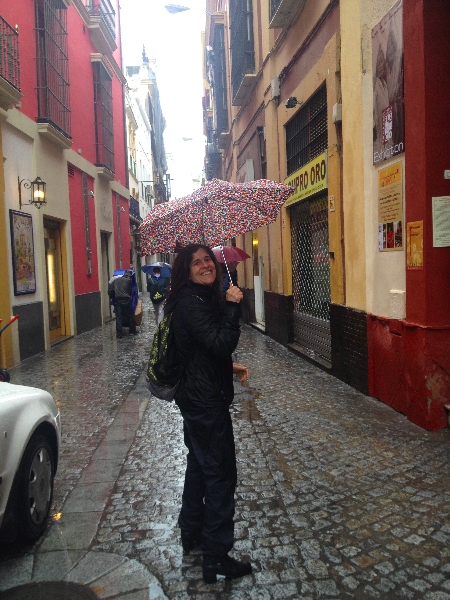
sudden downpour sent us to an outdoor cafe where we sat under canopies
and drank wine while we waited for the rain to stop. It did, and a
bright warm sun came out, and we headed to the Cathedral. The
Cathedral is massive and ornate and quite beautiful. It is the largest
Gothic cathedral and the fourth-largest church in the world. Rooms
filled with statues made of solid gold and silver. Paintings and
tapestries and marble statues and wood carvings everywhere. We went to
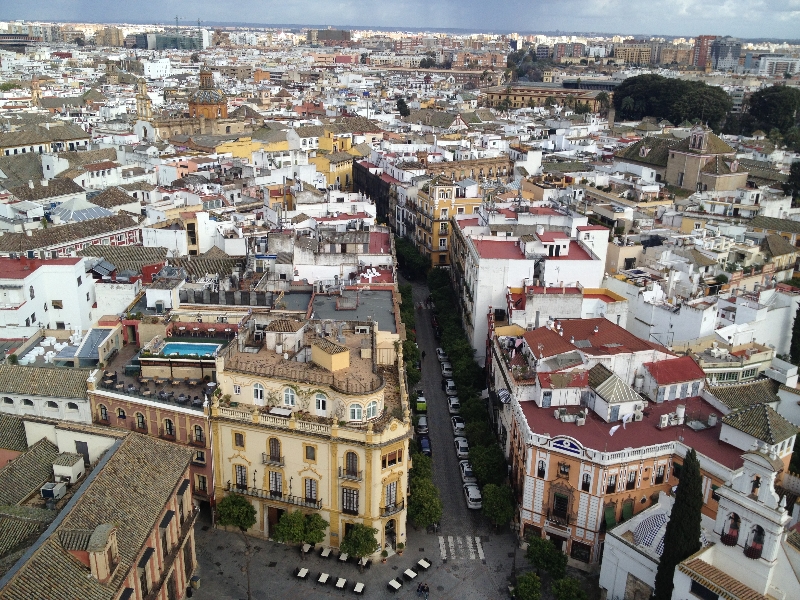
the top of the steeple so we could see all around the town and
wandered through an orange grove before leaving. We then walked to the
river and visited the Torre del Oro (Golden Tower) which is a
dodecagonal military watchtower built by
the Almohad dynasty in order to control access to Seville via the
Guadalquivir river, which now houses a naval museum.
The ships returning from the New World, laden with stolen gold and silver, were taxes at 20% which is why for 200 years Seville was the richest city in the entire world. We were stunned at the amount of gold and silver in all the churches we visited.
We walked along
the river to the the Parque de María Luisa. We saw a white peacock in
full plumage and tried one of the oranges hanging from all the trees
(very bitter) and stumbled upon the Palace de Espanol, which was built
for a World’s Fair in 1929 and which featured amazing tiles. We then
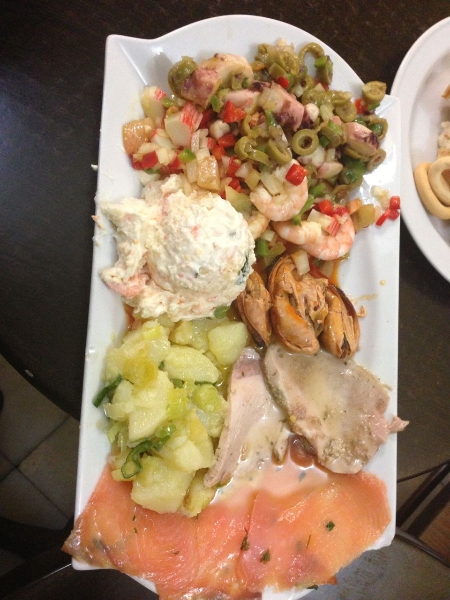
stopped into a tapas bar and dined and played some Rummikub. We walked
back to our hotel and despite how tired we were, we went back out for
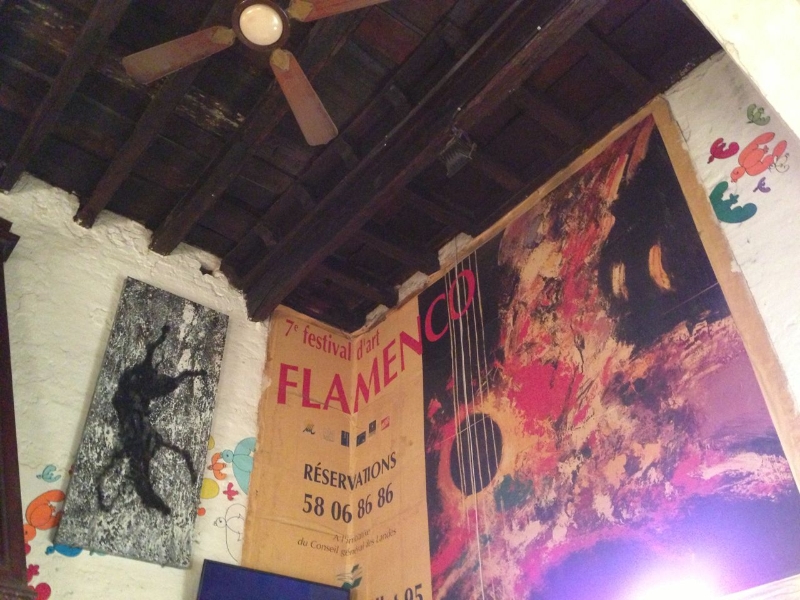
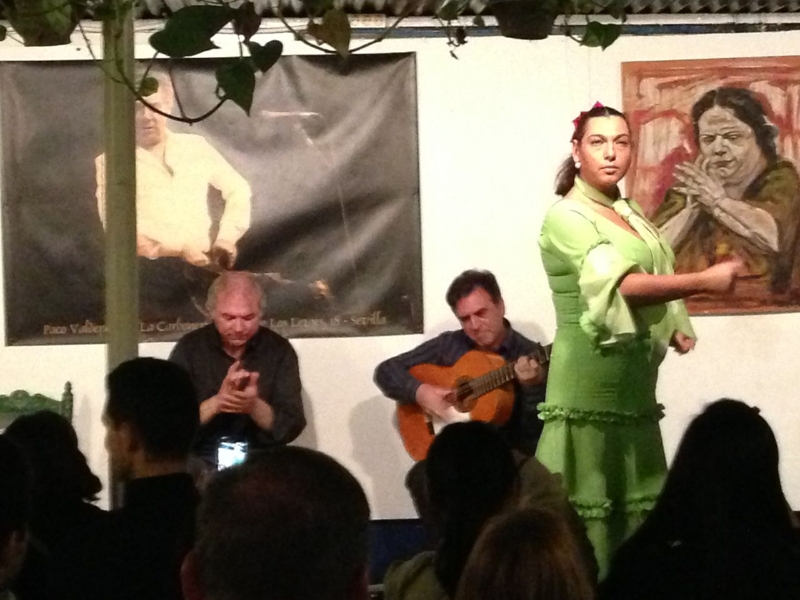
another round of tapas and some Flamenco dancing at La Carbonería.