
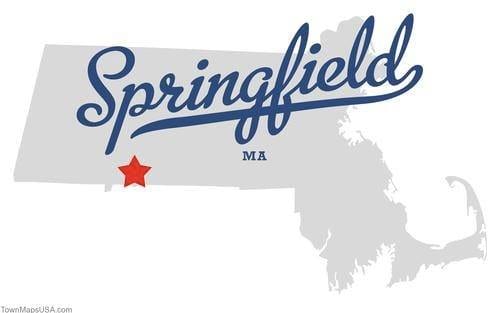
The very first Springfield — in Springfield, Massachusetts.
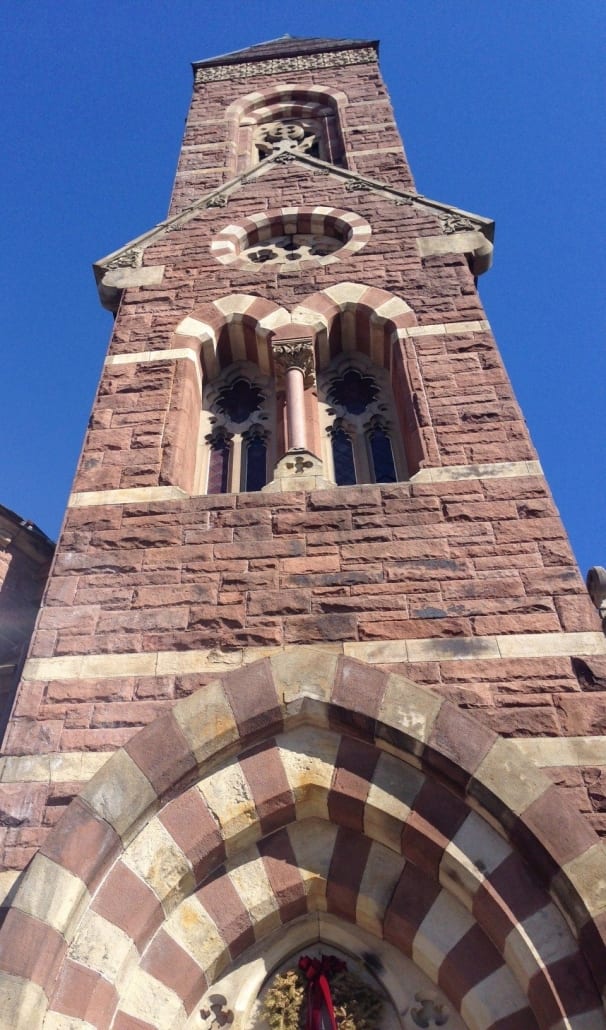
South Congregational Church — at Upper Worthington Historic District.
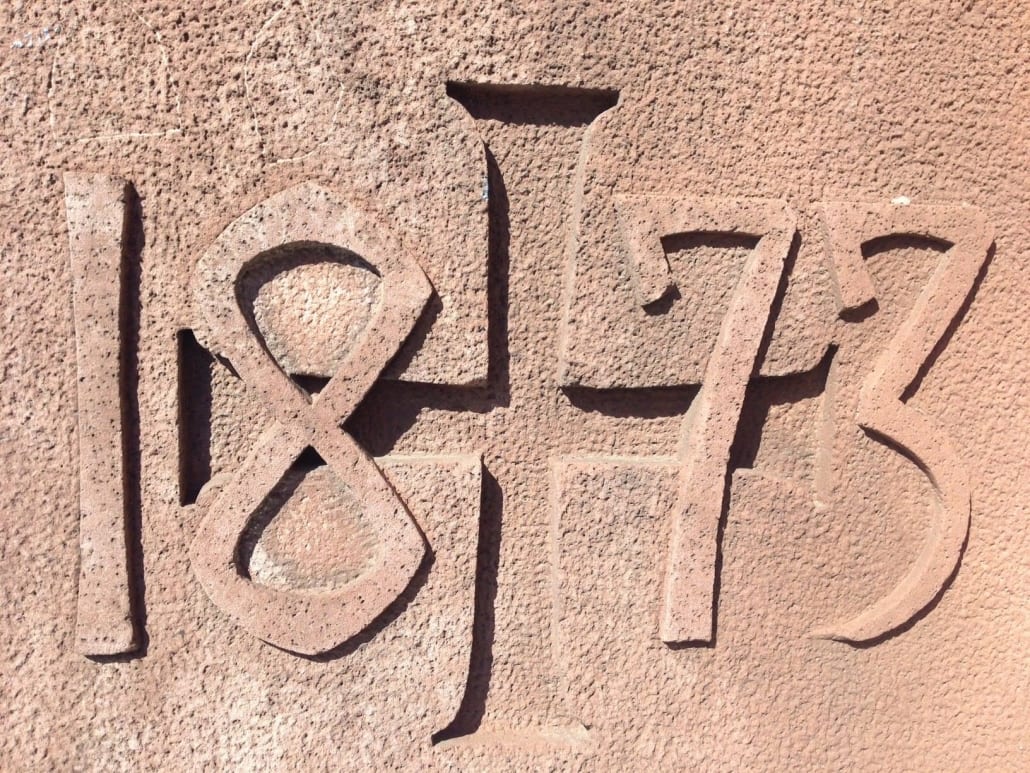
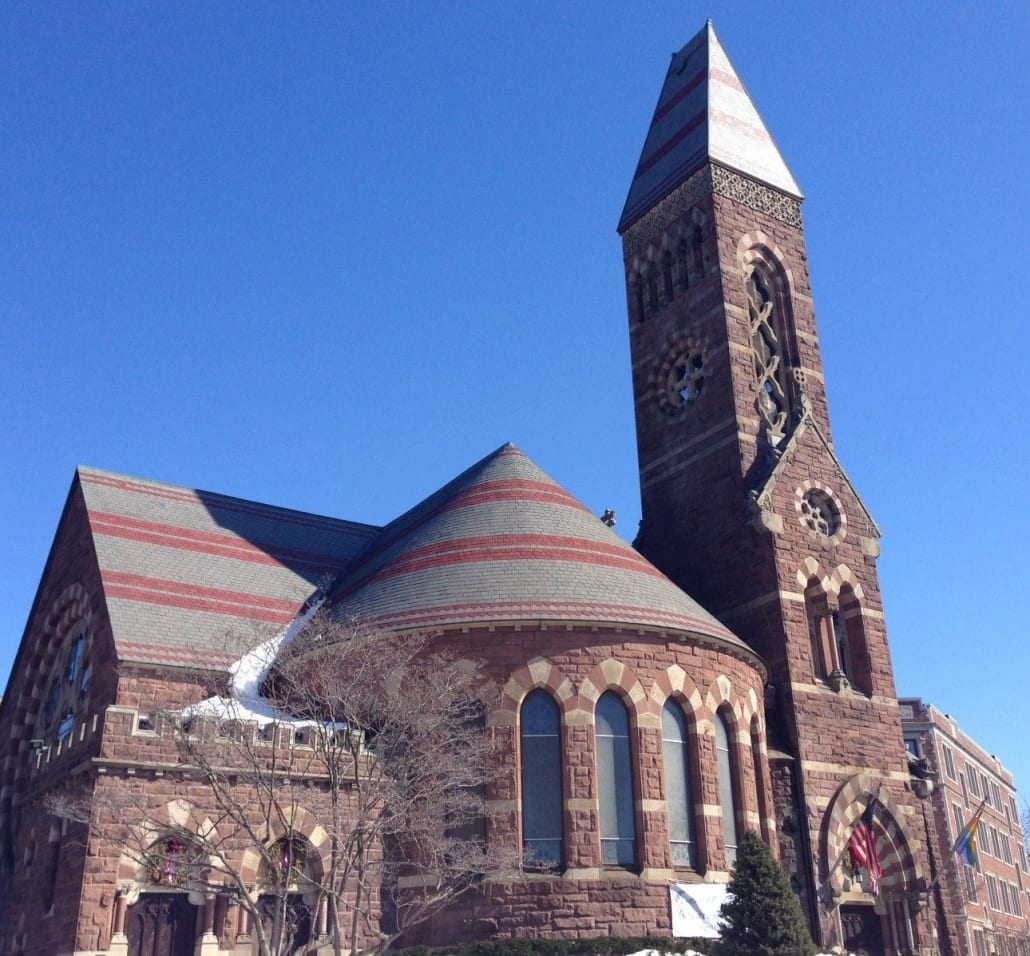
In the style of Gothic Architecture
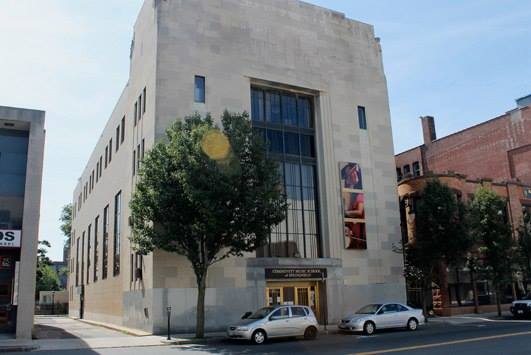
Safe Deposit and Trust Co built in 1933 — in Springfield, Massachusetts.
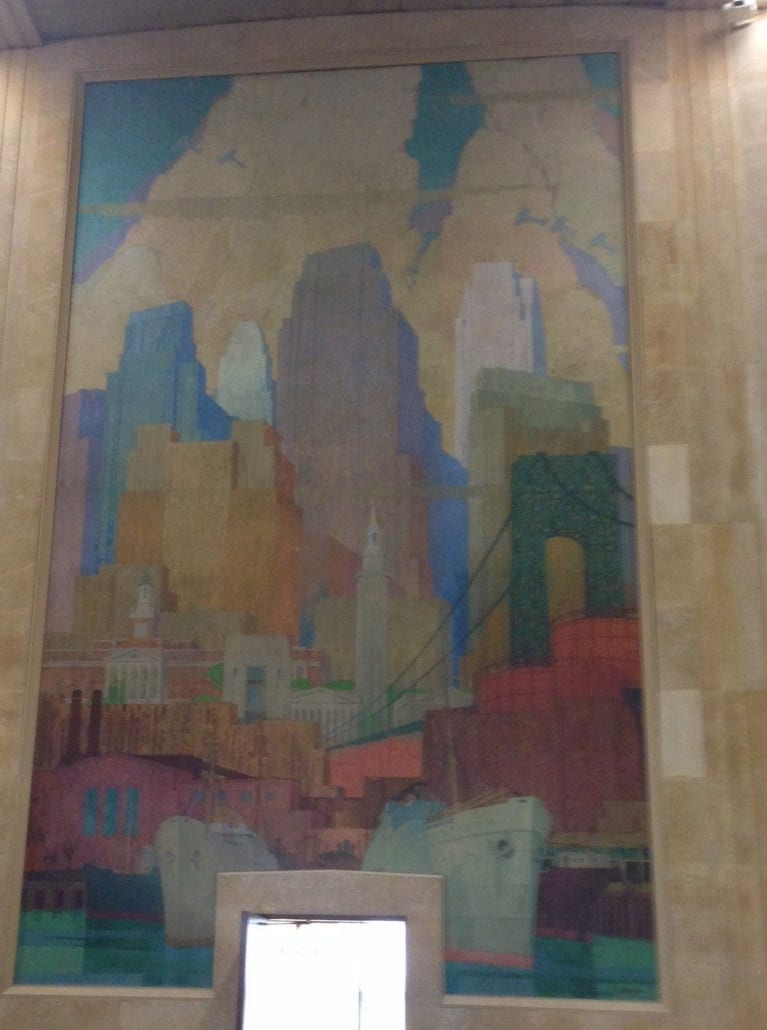
Many of the building's classic Art Deco details remain, including a well-preserved mural of the George Washington Bridge in the main lobby, which also boasts stonework depicting symbols of thrift and prudence from the animal world. — in Springfield, Massachusetts.
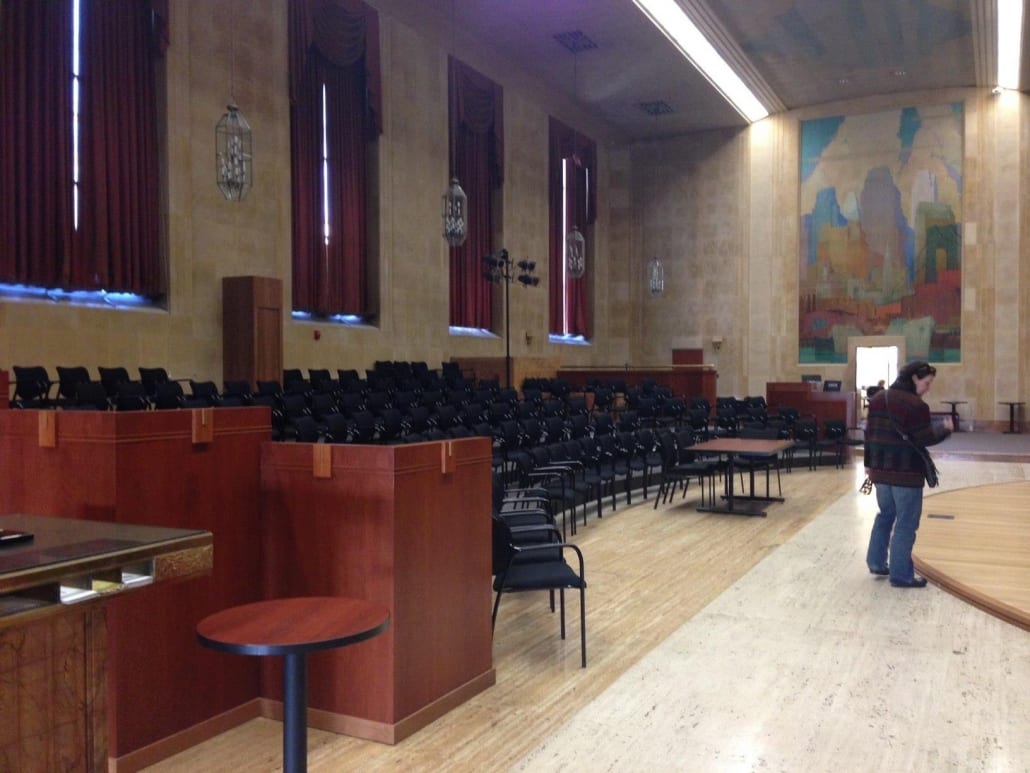
The Community Music School of Springfield in the old Safe Deposit & Trust — in Springfield, Massachusetts.
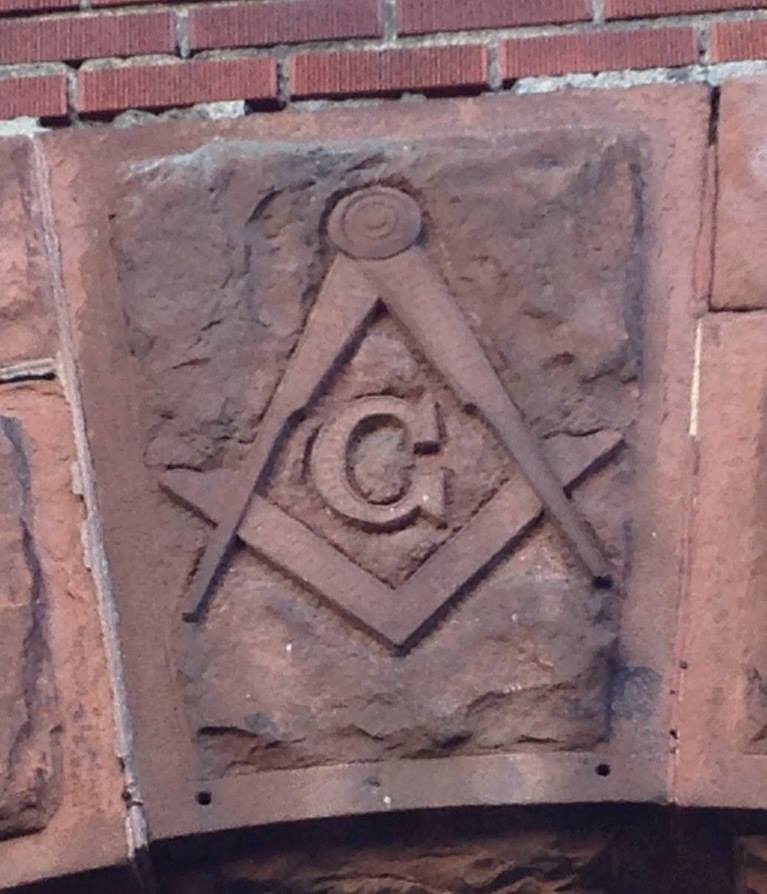
The only remaining indicator that this was the Master Woodsman Lodge/Masonic Lodge — in Springfield, Massachusetts.
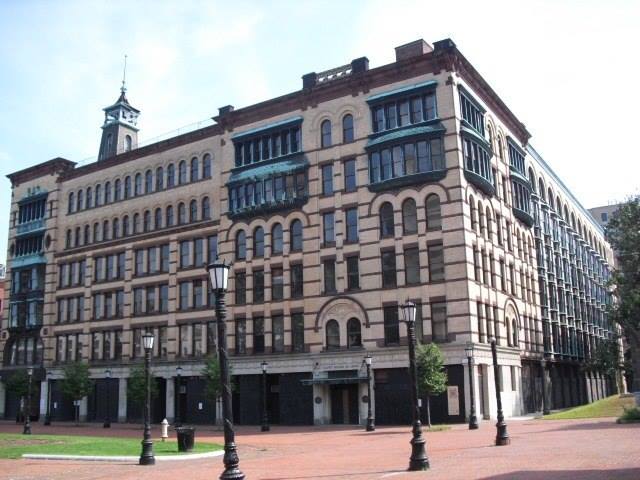
Court Sq Building: A buff brick building with brownstone trim was designed in Classical Revival and Victorian Eclectic ( Romanesque Revival) ; it uses eight different window designs. The building once housed the Court Square Theater which was the premier live performance venue in western Massachusetts. The theater was demolished in 1957. — in Springfield, Massachusetts.
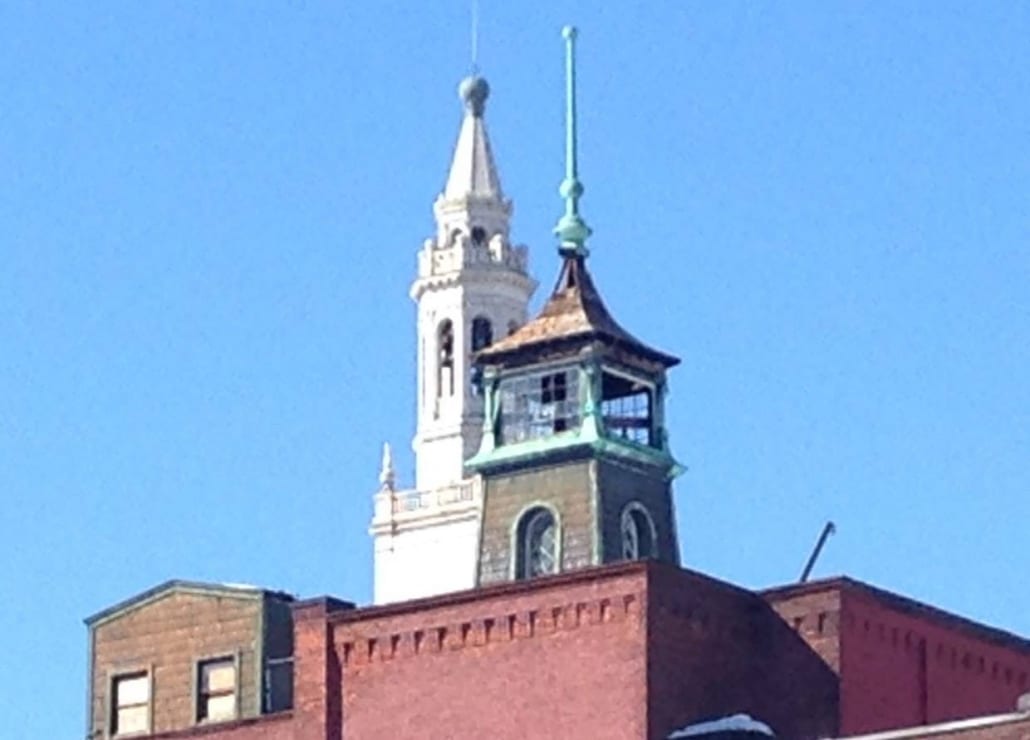
Top of the Court Square Building. — in Springfield, Massachusetts.
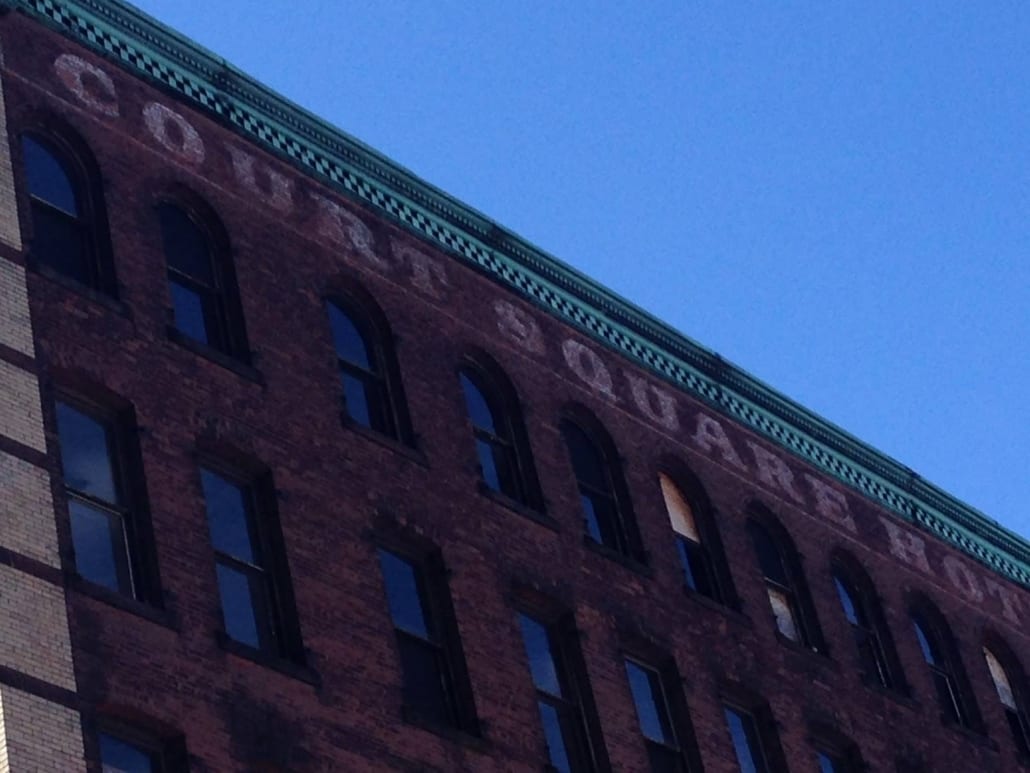
Side view of the Court Square Hotel and ghost sign — in Springfield, Massachusetts.
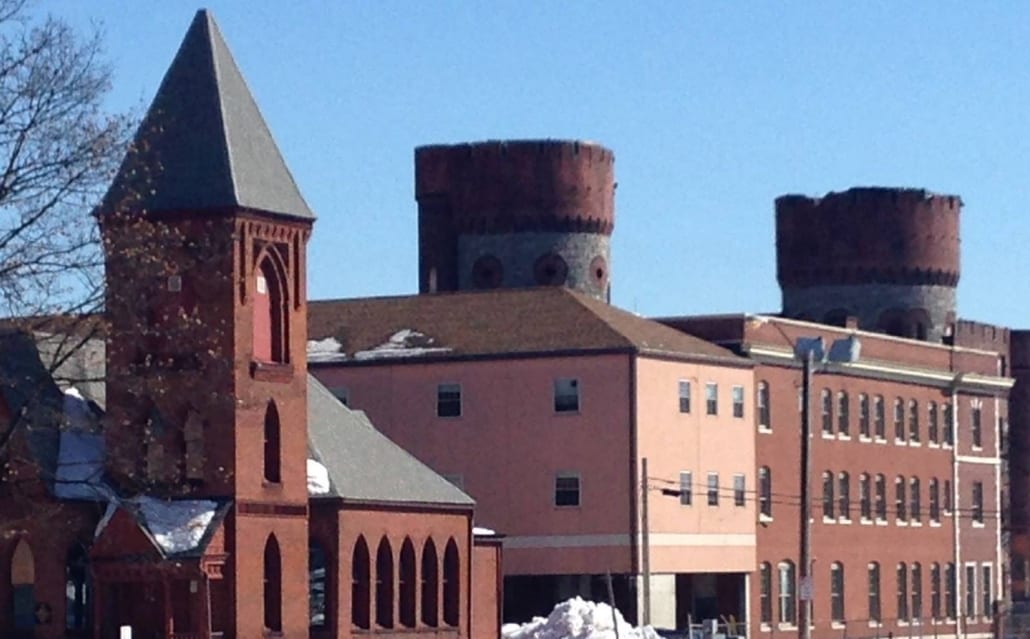
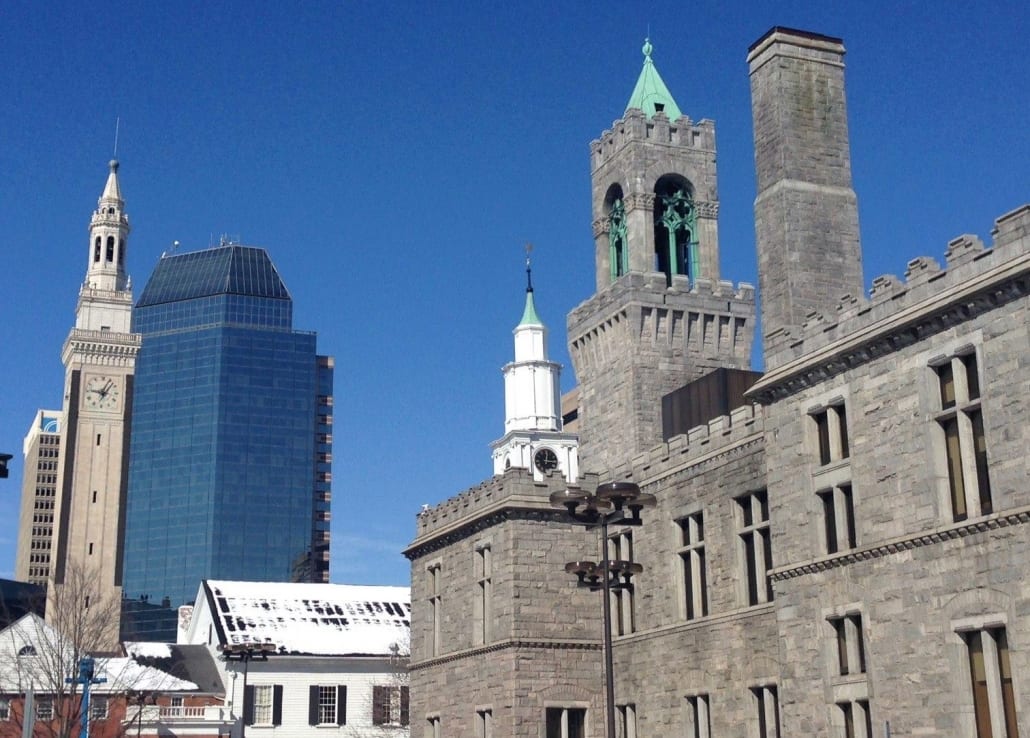
Gothic-style stone Court House designed by renowned architect H.H. Richardson and built in 1909. — in Springfield, Massachusetts.
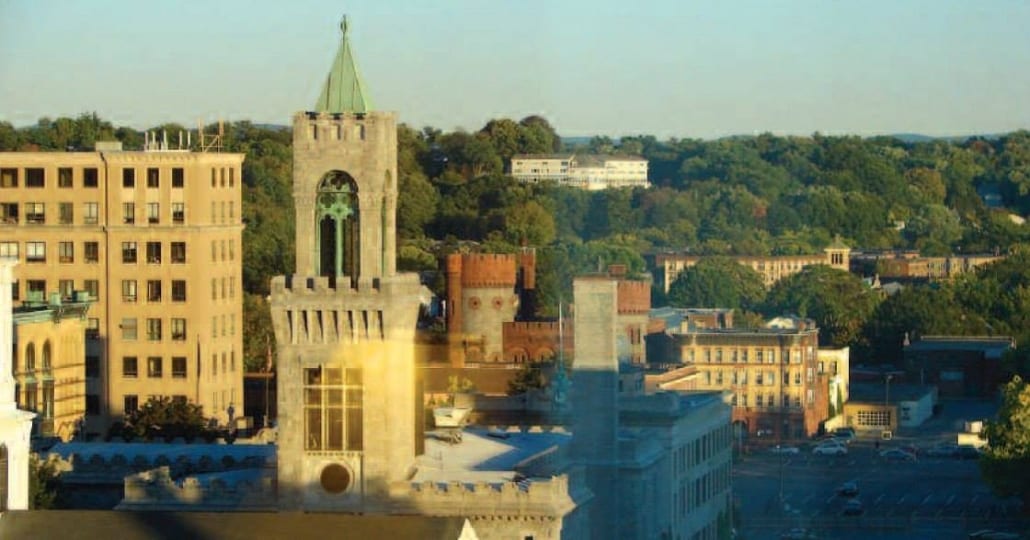
different view of court house tower — in Springfield, Massachusetts.
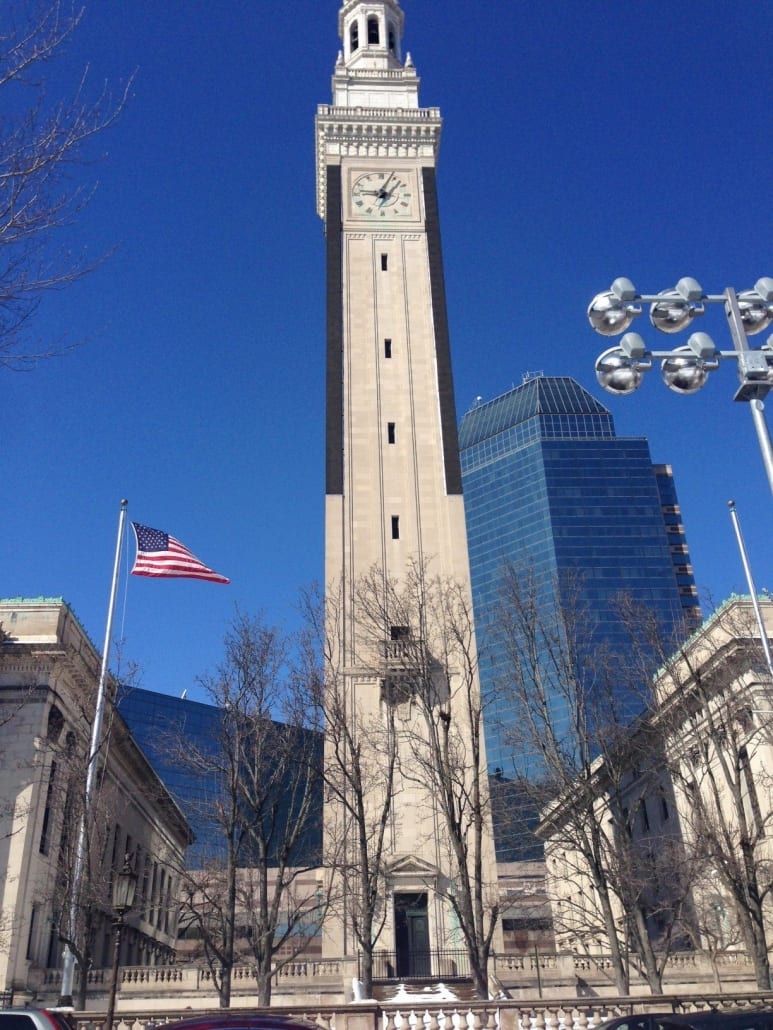
The Municipal Group: civic center with Italianate Campanile — in Springfield, Massachusetts.
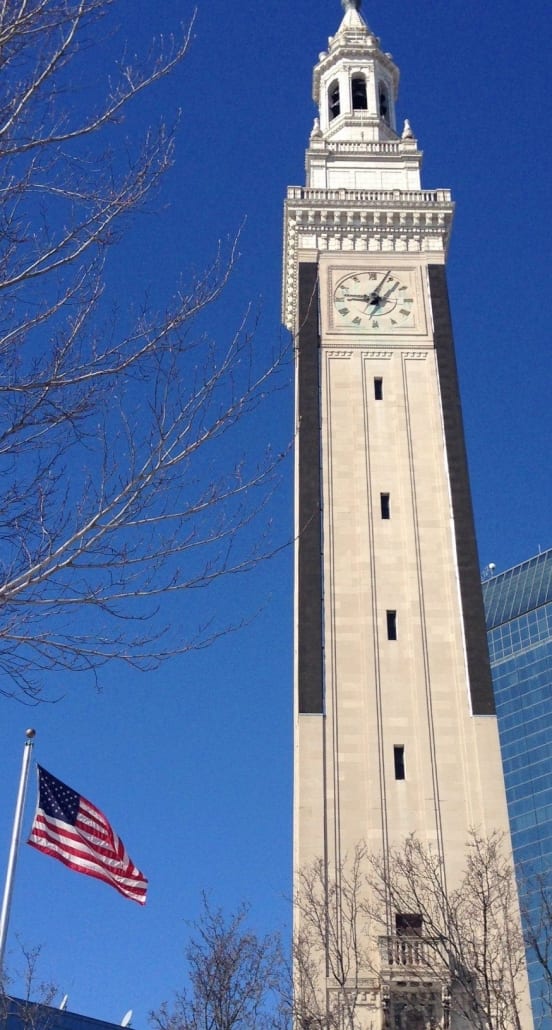
The Municipal Group features a 300 ft. tall Italianate Campanile, which until the early 1970s, was the tallest building in Springfield — in Springfield, Massachusetts.
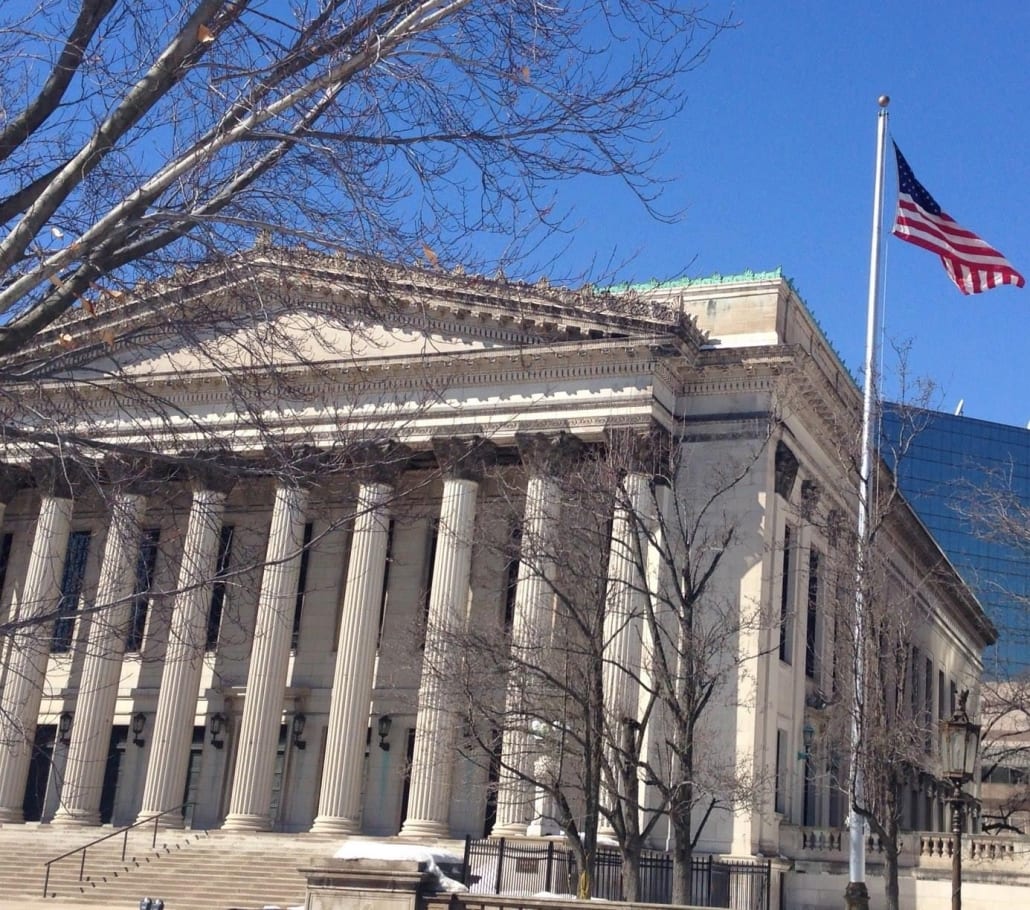
Erected in 1911-13, and dedicated by United States President William Howard Taft in December 1913. In his dedication speech, President Taft praised the Springfield Municipal Group as "one of the most distinctive civic centers in the United States - and indeed, the world." — in Springfield, Massachusetts.
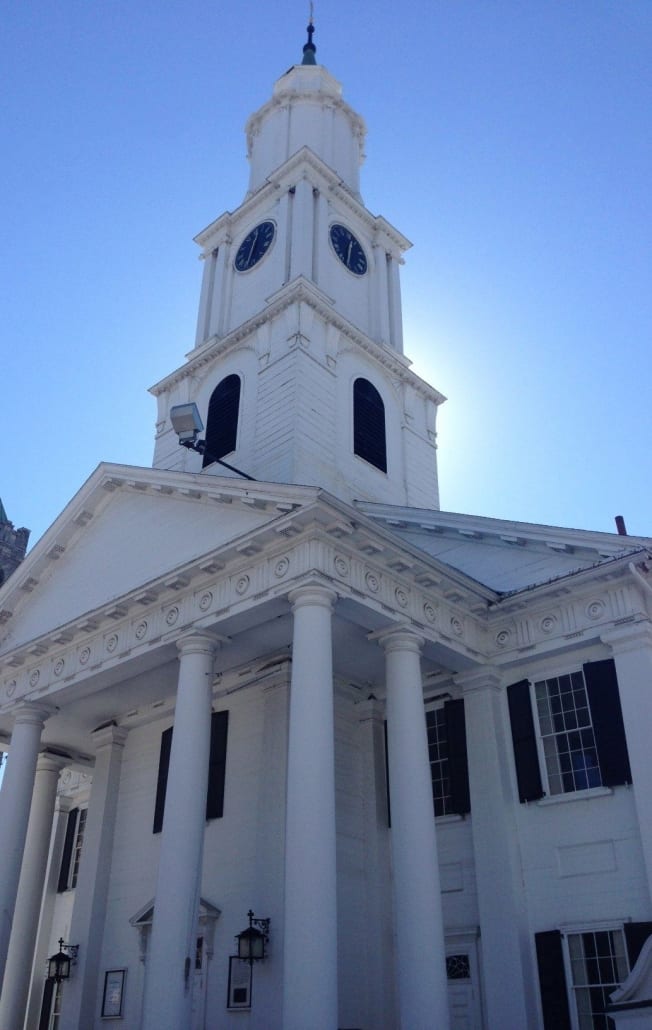
Old First Church has been located in Court Square since the 17th century. It was the twentieth parish formed in the Massachusetts Bay Colony, and was gathered in 1637, the year after Springfield was founded. The rooster weathervane on the steeple was crafted by a Coppersmith in London, England, and brought to this country in 1750. Here inventor Thomas Blanchard and abolitionist John Brown worshipped; Daniel Webster spoke; and Jenny Lind sang. — in Springfield, Massachusetts.
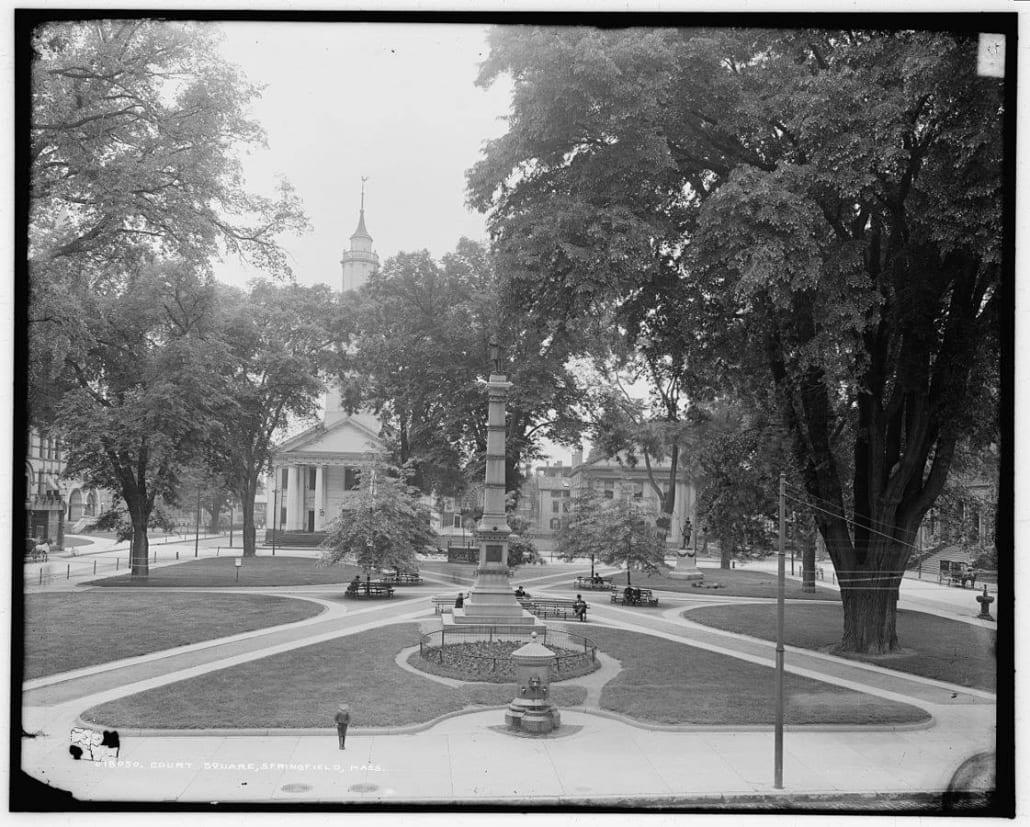
Court Square 1905: The only part of Springfield that has not changed since 1636. — in Springfield, Massachusetts.
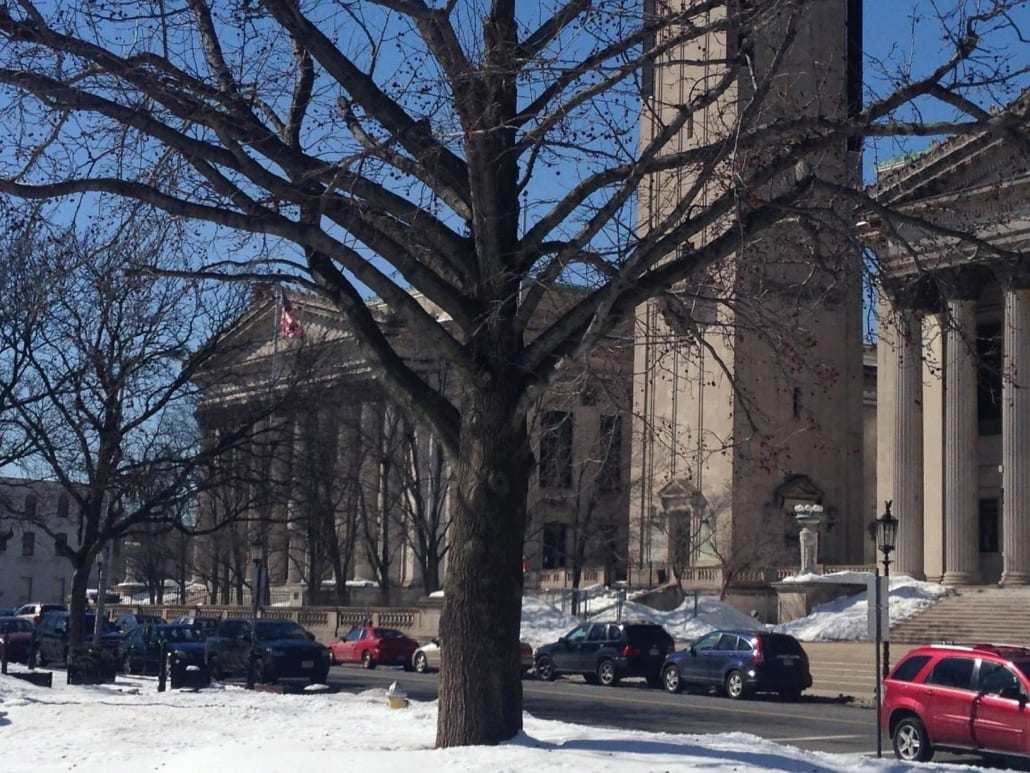
Another view of the trio of buildings known as The Municipal Group: Two temple-like structures with a tower between them — in Springfield, Massachusetts.
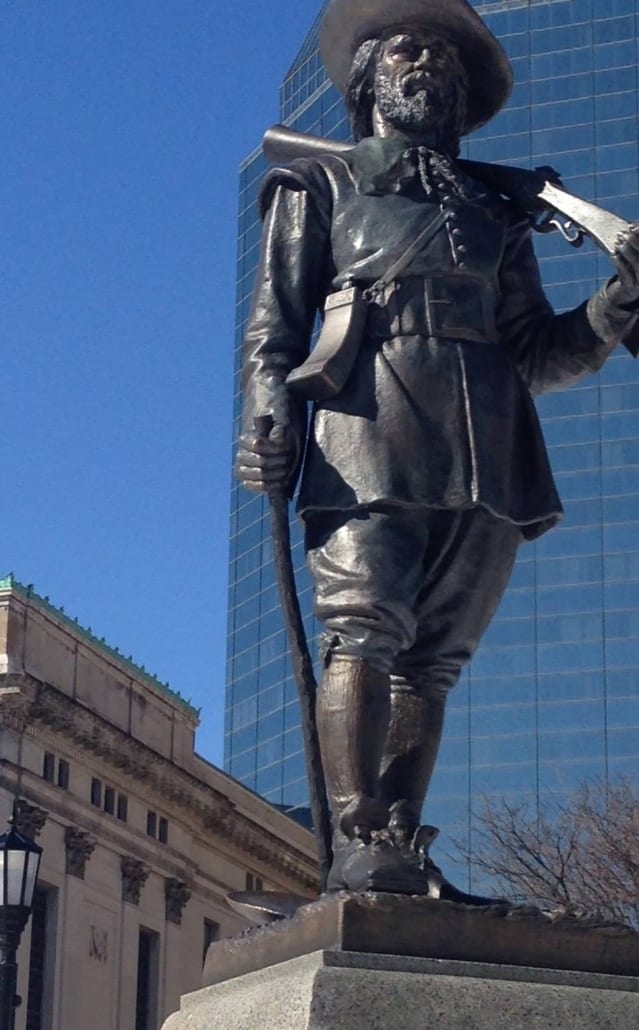
Miles Morgan Statue: born in Bristol, England in 1616, and traveled as an adventurer to Boston in 1636. Settling in the new plantation of Springfield on the Connecticut River, he built himself a fortified blockhouse, which became the fledging community’s fortress of safety when the settlement was burned during King Phillip’s War. — in Springfield, Massachusetts.
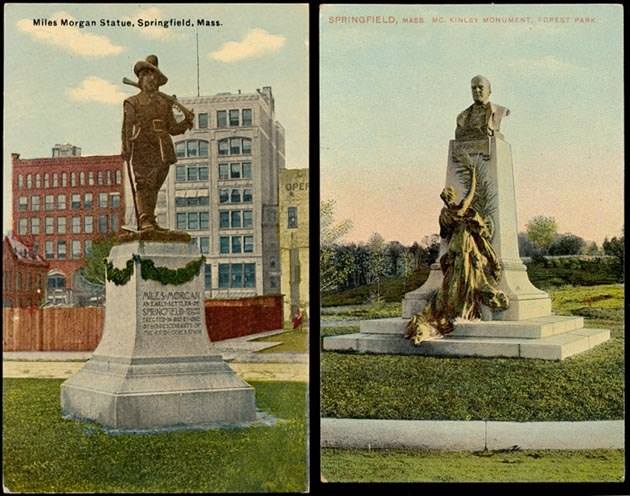
Miles Morgan postcard (Springfield being the home of the first postcard AND window envelope) — in Springfield, Massachusetts.
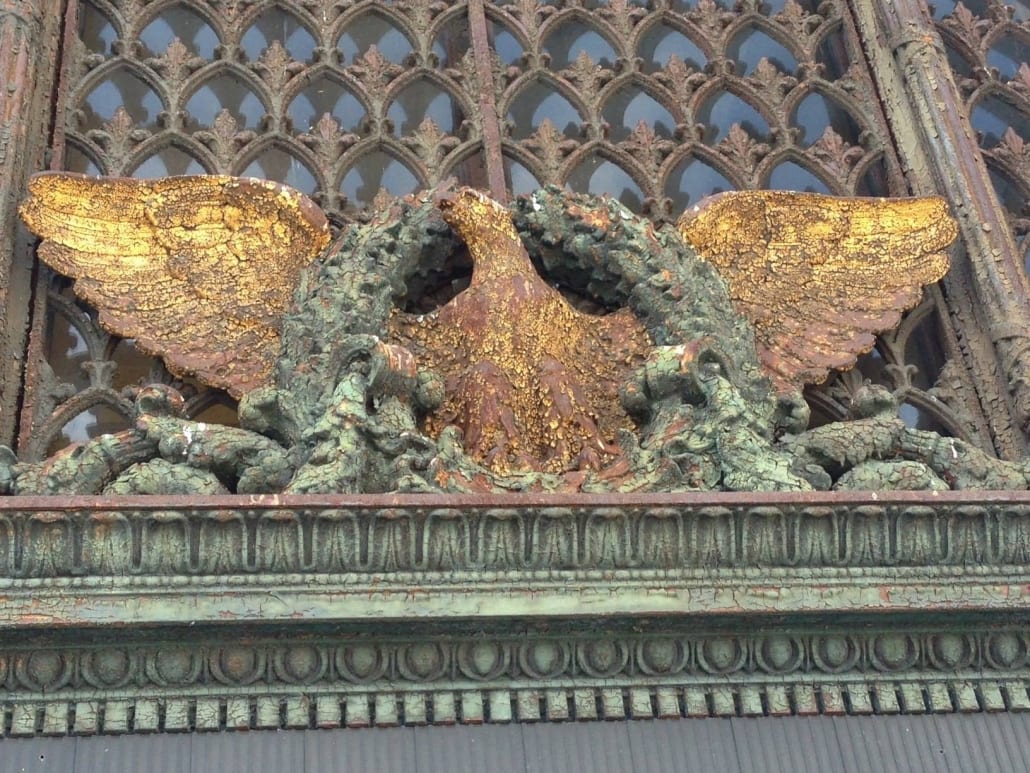
Springfield library: built with money donated by Scottish-American businessman and philanthropist Andrew Carnegie. A total of 2,509 Carnegie libraries were built between 1883 and 1929, including some belonging to public and university library systems. 1,689 were built in the United States,and 125 in Canada...... — in Springfield, Massachusetts.
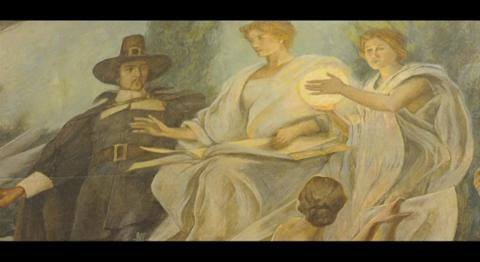
Robert Reid mural: Light of Education originally hung in The Classical School and can now be seen in the Library — in Springfield, Massachusetts.
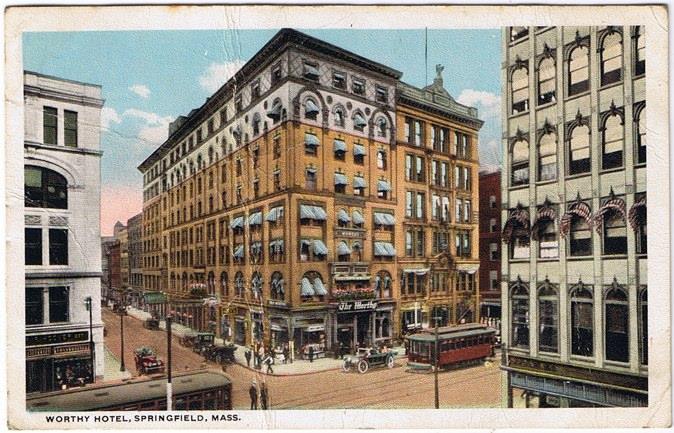
Worthy Hotel: Built in 1895 and advertised as "Springfield's leading commercial and tourist house," and was Springfield's finest hotel until the opening of the Hotel Kimball in 1911. An example of Renaissance Revival architecture. — in Springfield, Massachusetts.
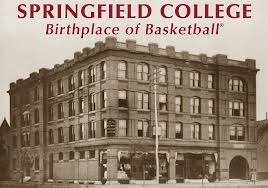
Basketball History: Springfield home of the first basketball game — in Springfield, Massachusetts.
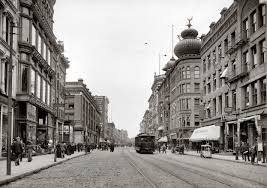
The "onion top" building that inspired Dr Suess drawings — in Springfield, Massachusetts.
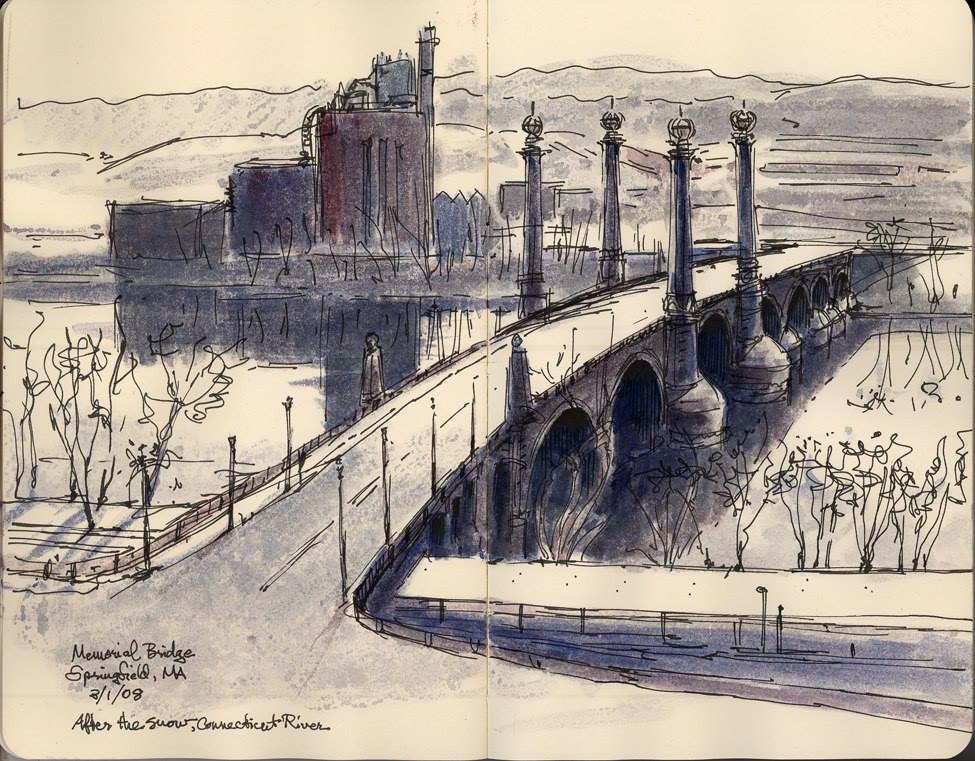
Memorial Bridge: reinforced-concrete arch bridge that spans the Connecticut River between Springfield, Massachusetts and West Springfield, Massachusetts, constructed in 1922. The four large towers that are topped by a lighted globe each have a large bronze plaque at their base to memorialize those who fought and died since the inception of the settlement in 1636, up to World War I. — in Springfield, Massachusetts.
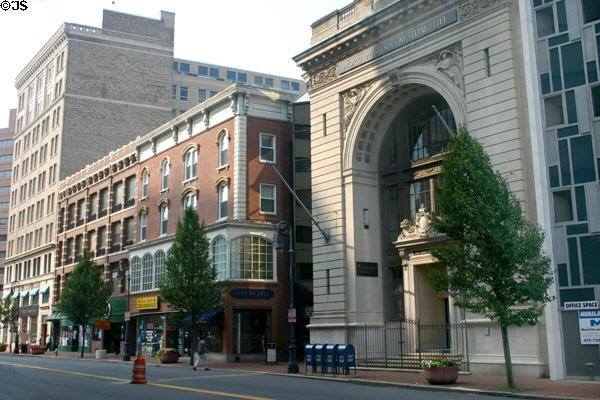
main st — in Springfield, Massachusetts.
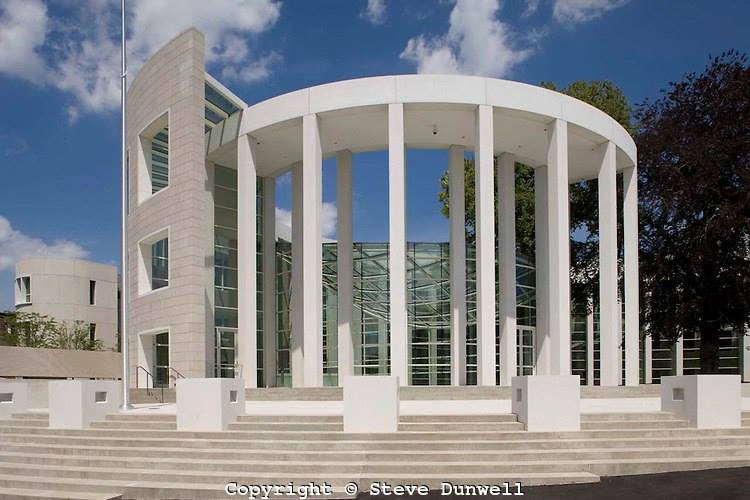
Federal Court House, Springfield Architect: Moshe Sadfi* (*Canadian) — in Springfield, Massachusetts.
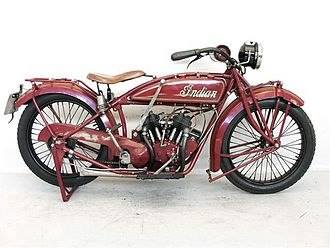
Indian Scout: Springfield, MA home of the first successful motocycle — in Springfield, Massachusetts.
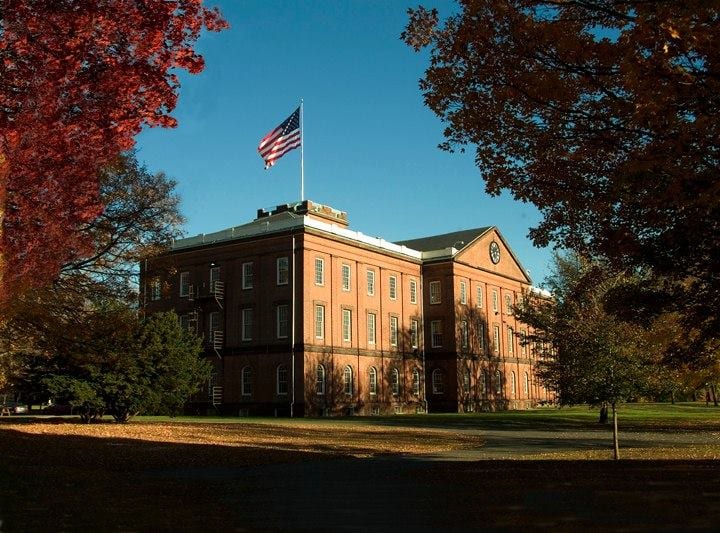
Springfield was approved by George Washington for the site of the first Federal Armory and was the primary arsenal during the American Revolutionary War, and then as the scene of a confrontation during Shays's Rebellion. In the 19th and 20th centuries became the site of numerous technological innovations of global importance, including interchangeable parts, the assembly line style of mass production, and modern business practices, such as hourly wages. Numerous firearm models produced at the Springfield Armory from 1794 to 1968 were referred to as "Springfield rifles". — at Springfield Armory National Historic Site.
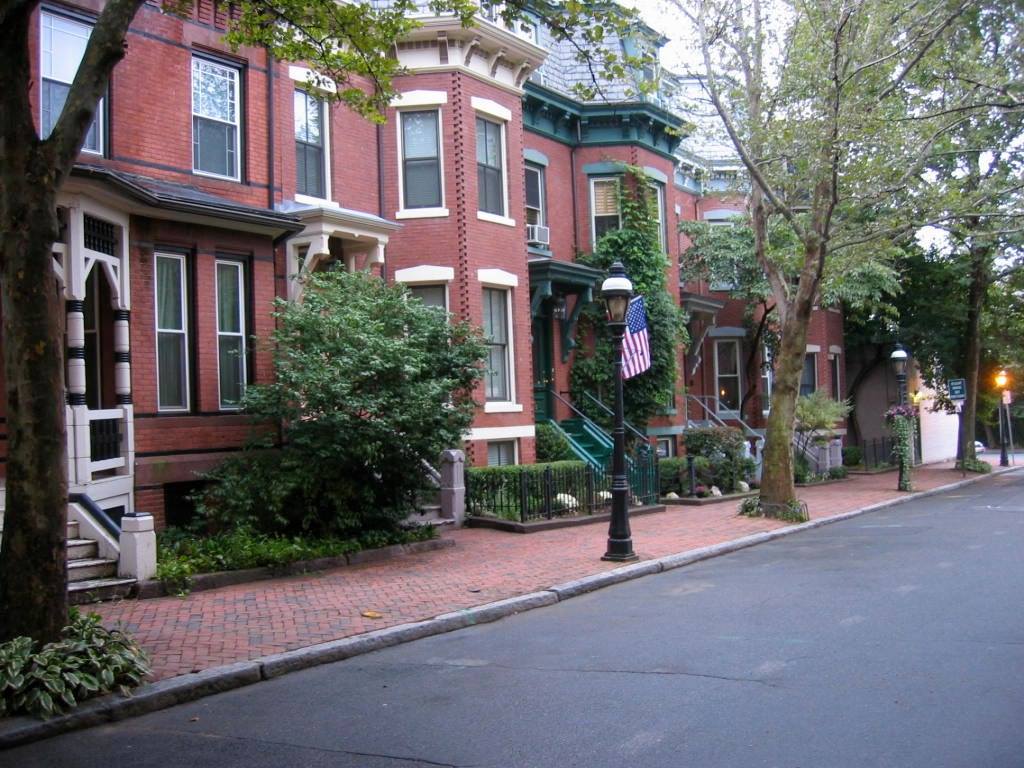
Mattoon Street rowhouses: various architectural styles, from detached Victorian houses, to attached red-brick row-houses, to H.H. Richardson churches. The area contains Mid 19th Century Revivals and Late 19th And 20th Century Revivals. — in Quadrangle-Mattoon Street Historic District.
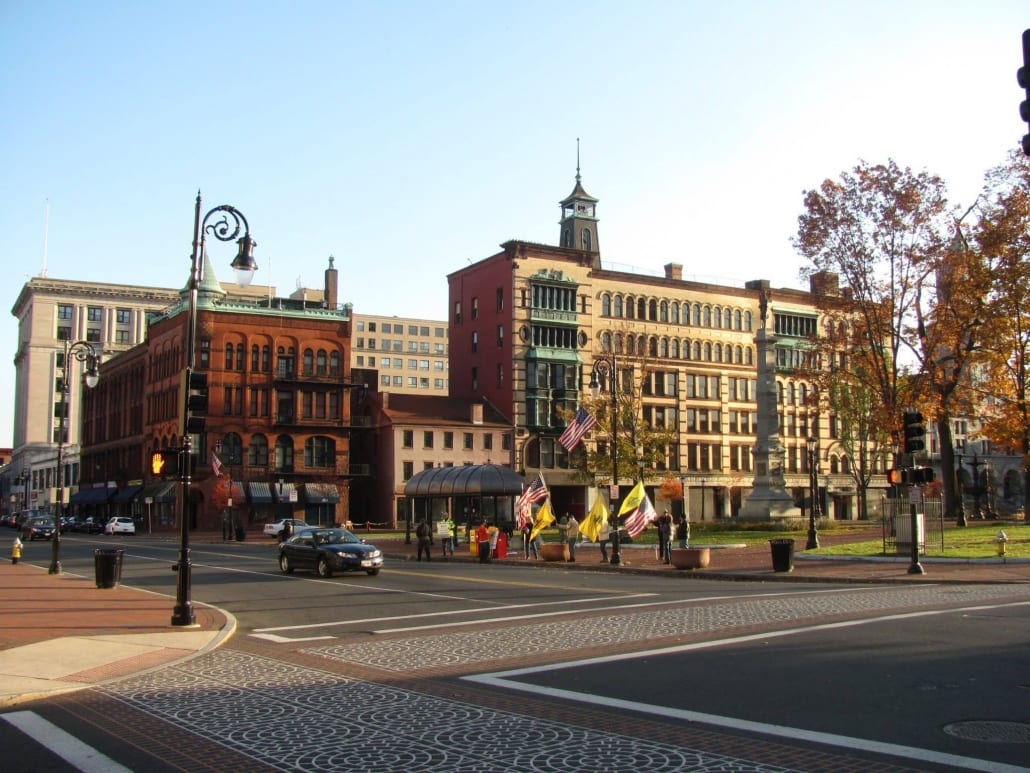
Court_Square

